The final event of the “Leveraging the Advantage” programme was successfully held
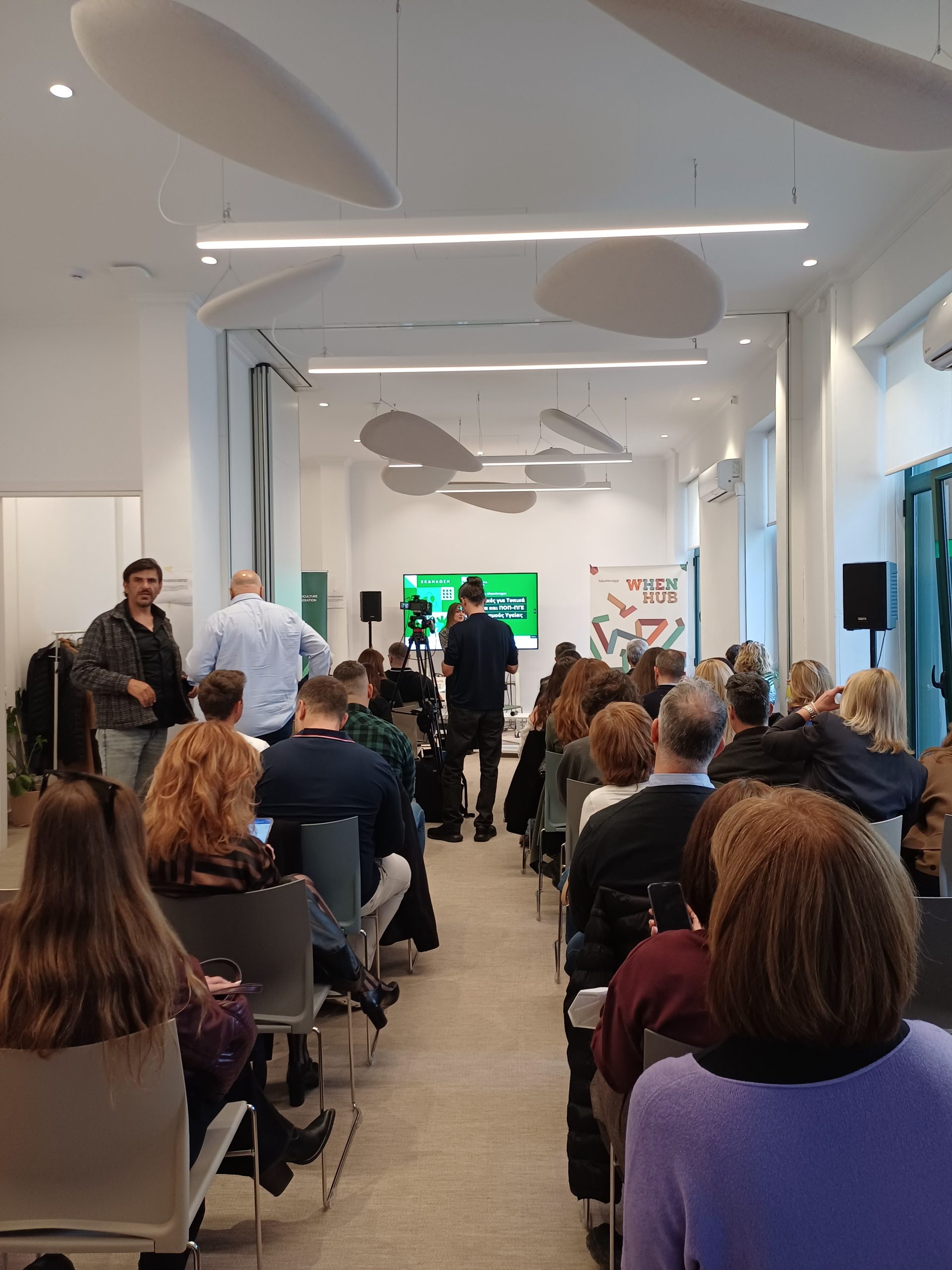
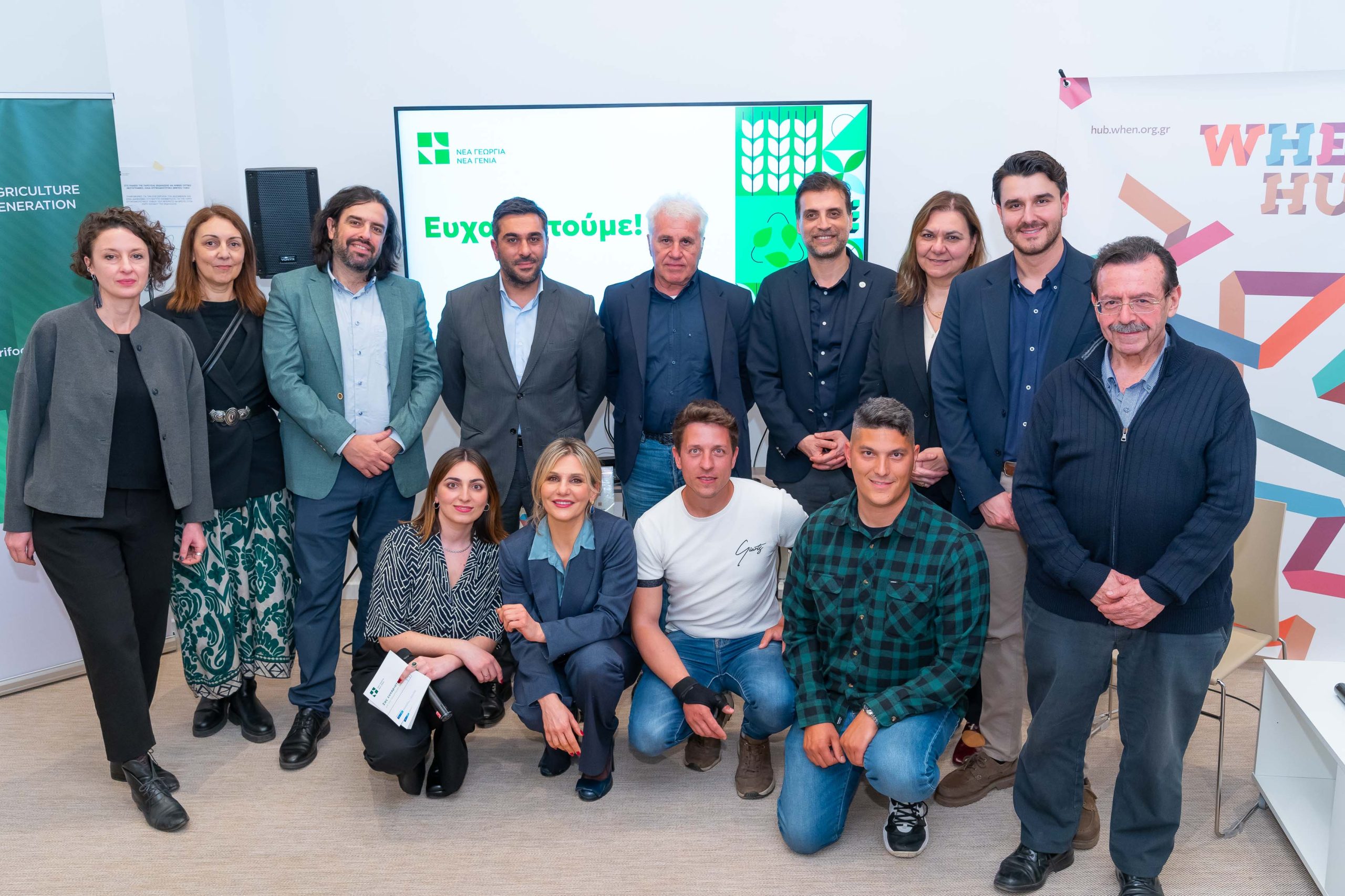
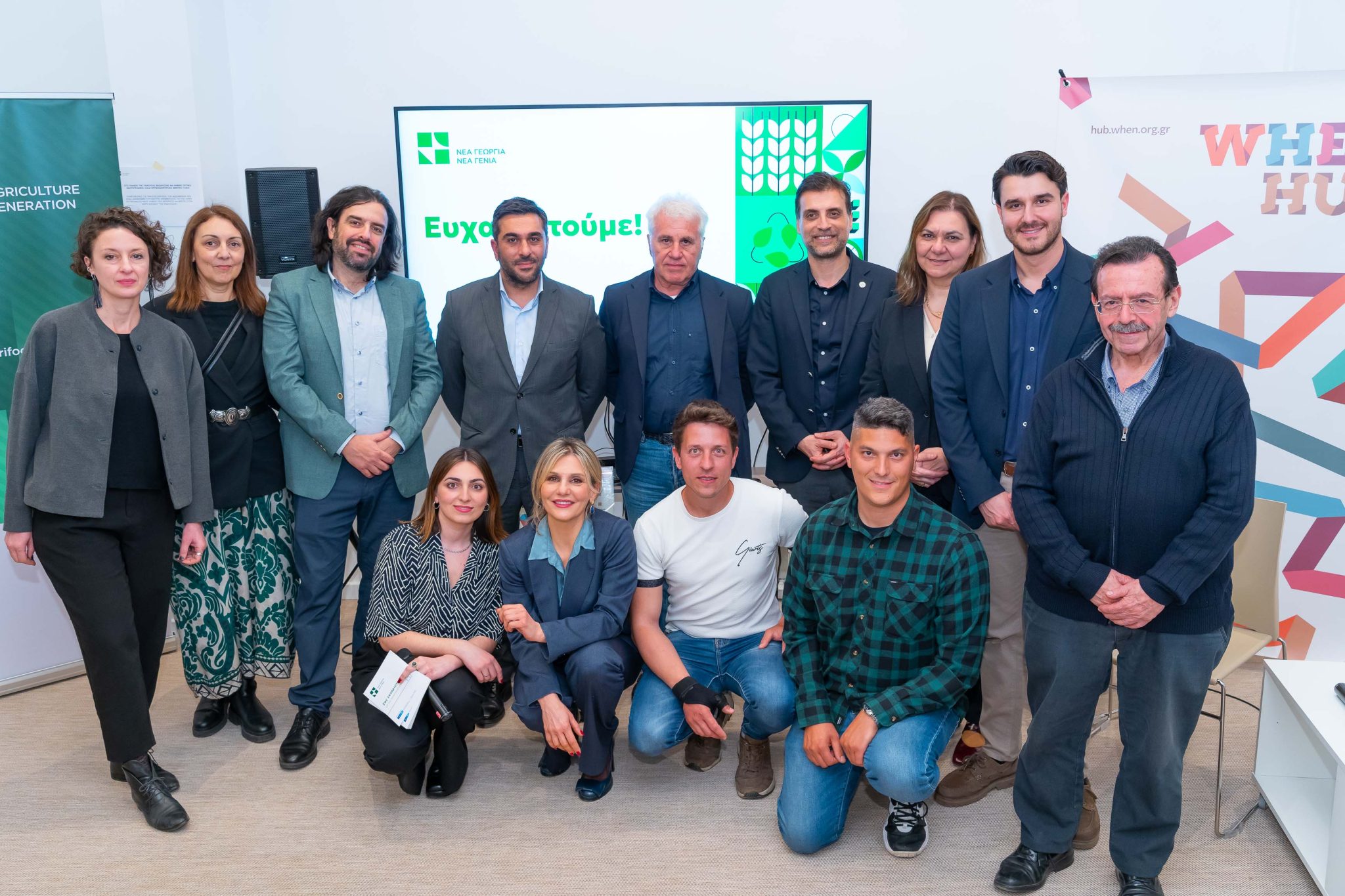
With strong participation and active dialogue among experts, scientists and producers, the final event of the programme “Leveraging the Advantage: Strategies for Local Products and PDO-PGI Products with Health Claims” was held on Tuesday, March 31, 2026, at WHEN Hub in Athens.
The programme is implemented by New Agriculture New Generation through the founding grant of the Stavros Niarchos Foundation (SNF) and with the support of CrediaBank.
Within a dynamic and contemporary setting, presentations and discussions highlighted the role of local products of high nutritional value as a driver of sustainable development, enhanced competitiveness and stronger links with tourism and markets.
Institutional insights and strategic direction
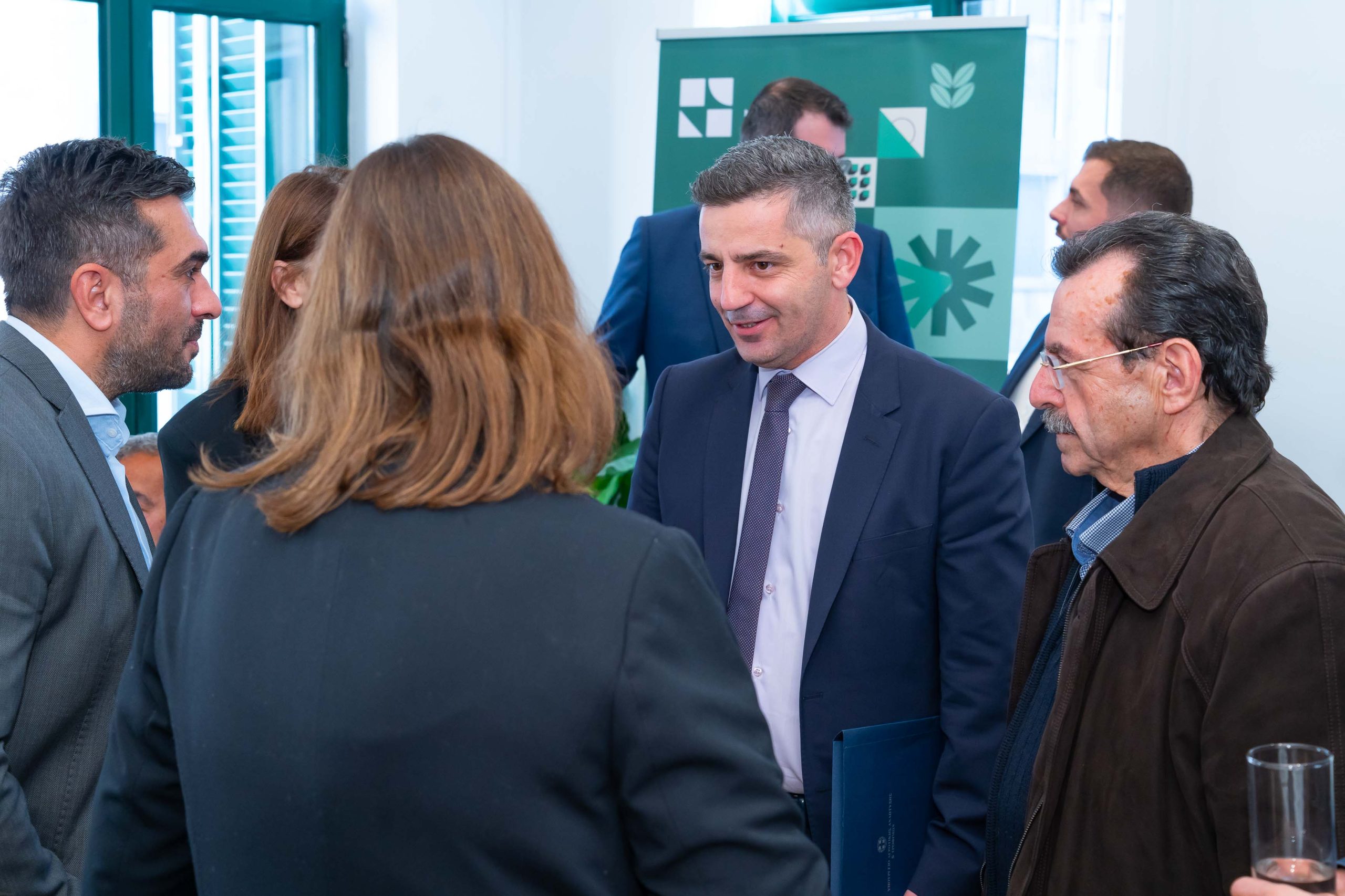
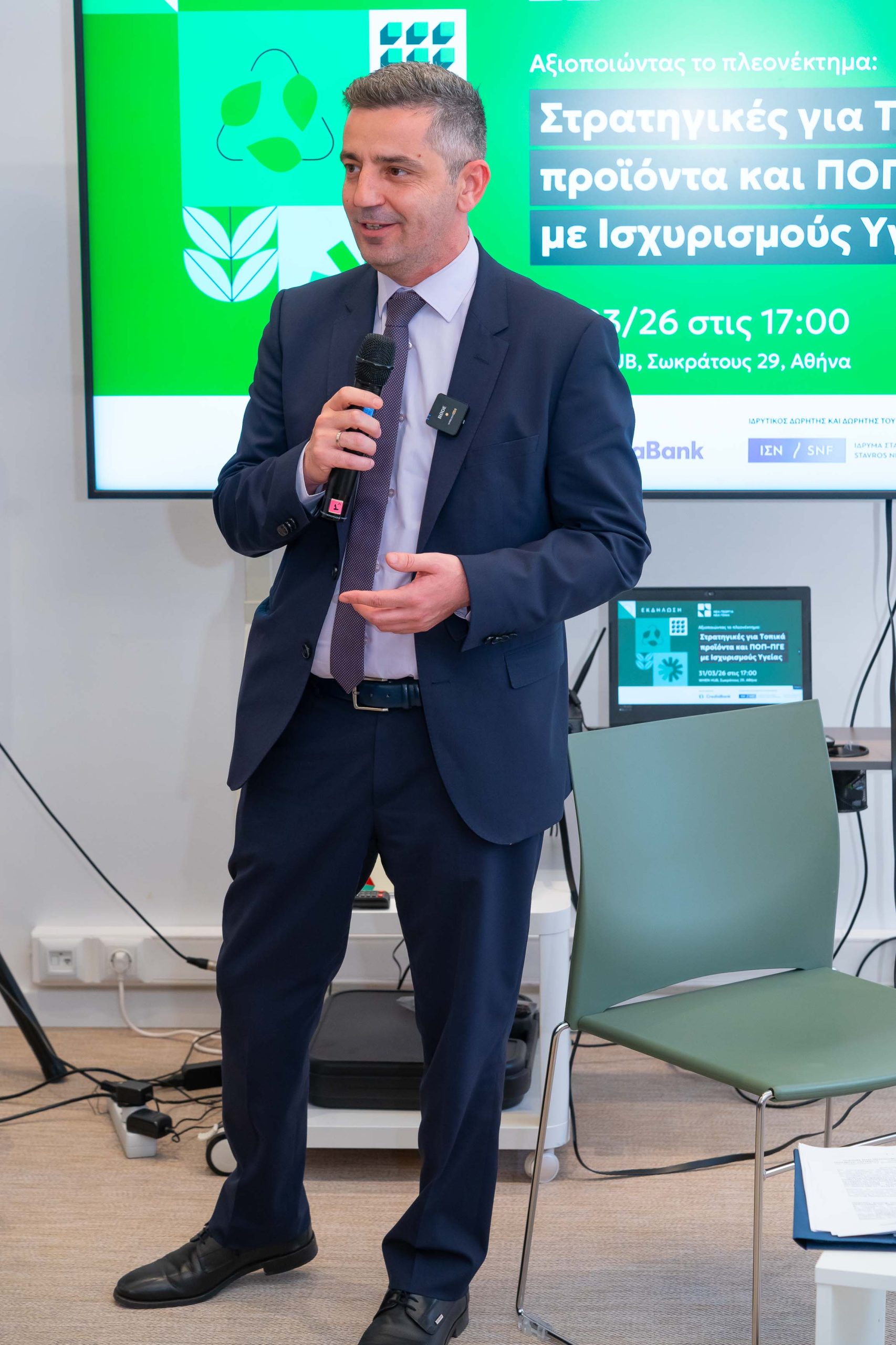
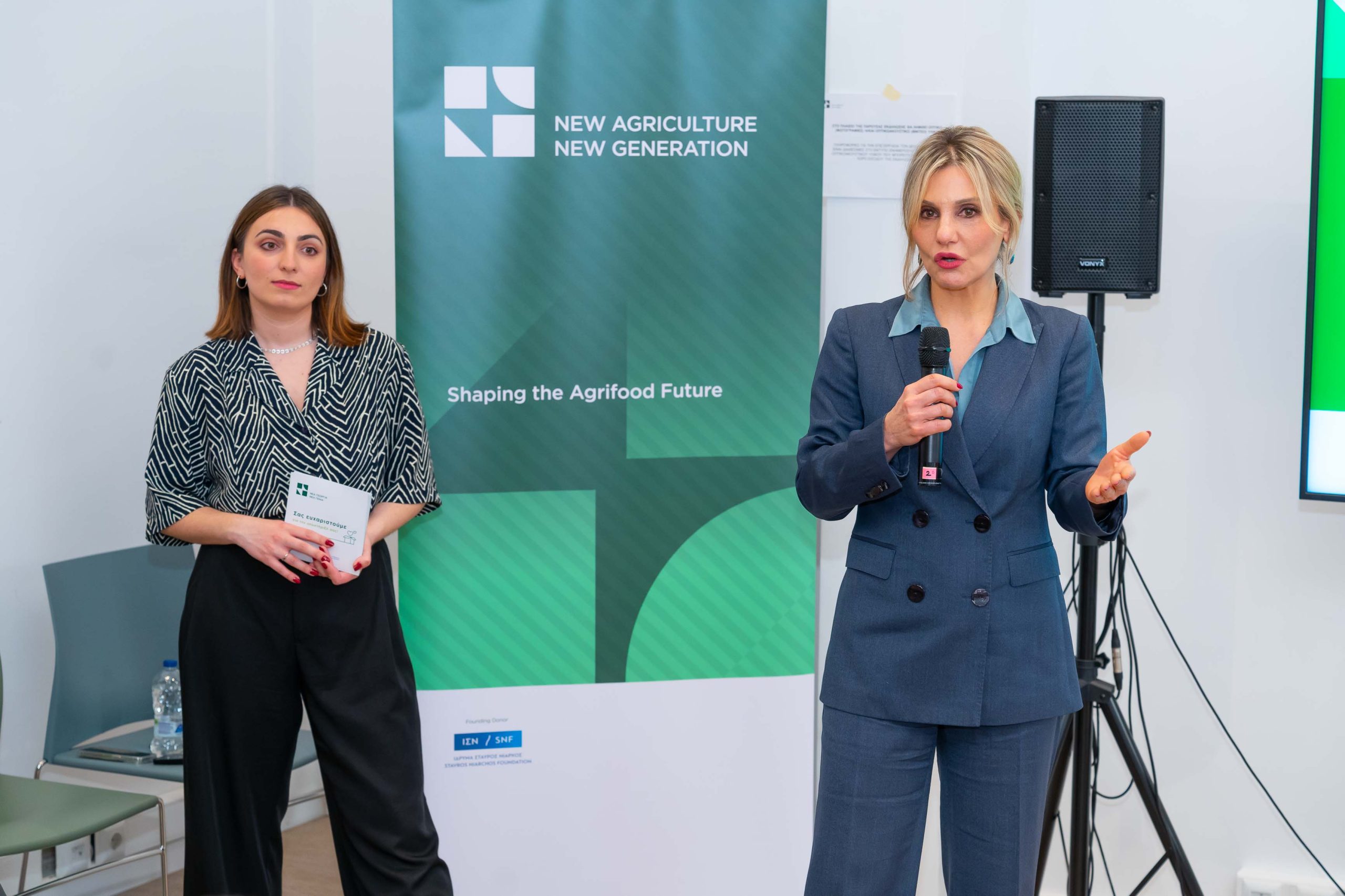
The event opened with remarks by Antonis Filippis, Secretary General for Agricultural Policy and International Relations at the Ministry of Rural Development and Food, who emphasized the importance of PDO and PGI products for agricultural policy and international markets. He highlighted the need to leverage health claims and underlined the importance of traceability and collaboration.
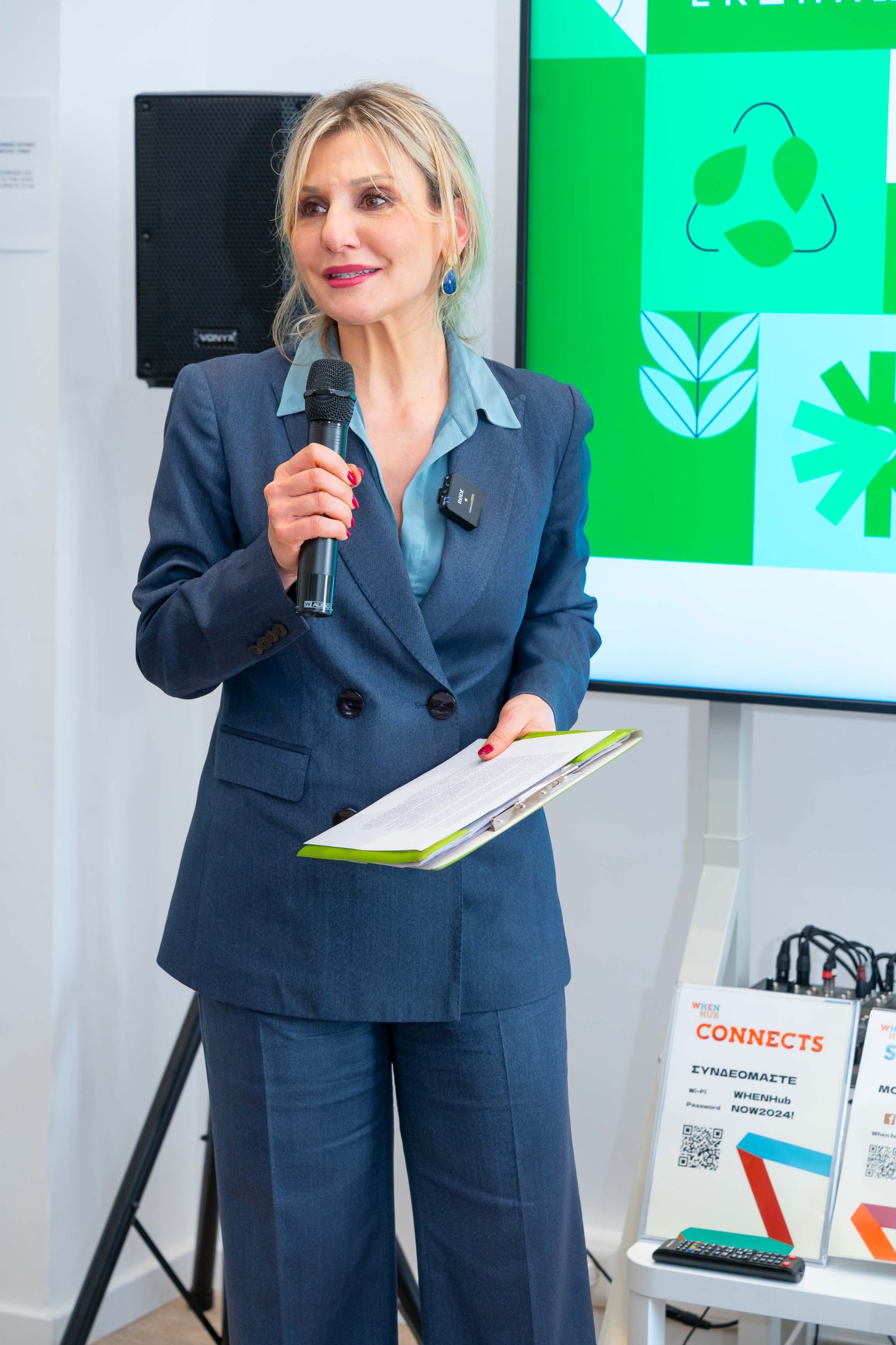
This was followed by Efthymia (Effie) Lazaridou, CEO of New Agriculture New Generation, who presented the organization’s strategic decision to support PDO and PGI products through a national initiative launched four years ago, with the contribution of ETH.E.A.S., the University of Thessaly, and the founding grant of the Stavros Niarchos Foundation. She also referred to a forthcoming collective publication (White Paper) that will be made available free of charge to producers.
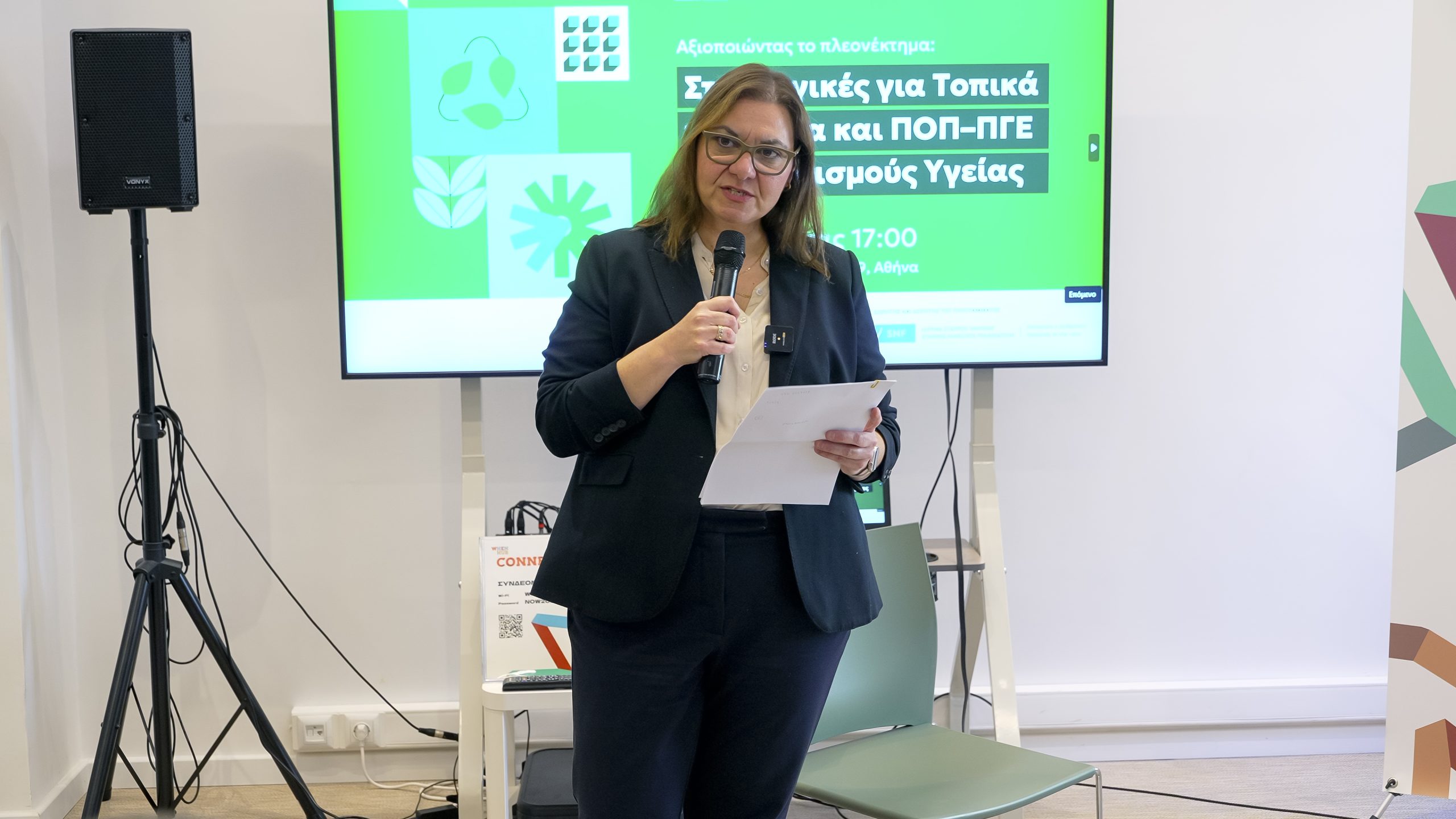
Regina Aslanoglou, Chief Sustainability Officer of CrediaBank, highlighted the bank’s strategic commitment to supporting the real economy and the primary sector, particularly when linked to initiatives related to health and sustainability.
Key presentations and thematic discussions
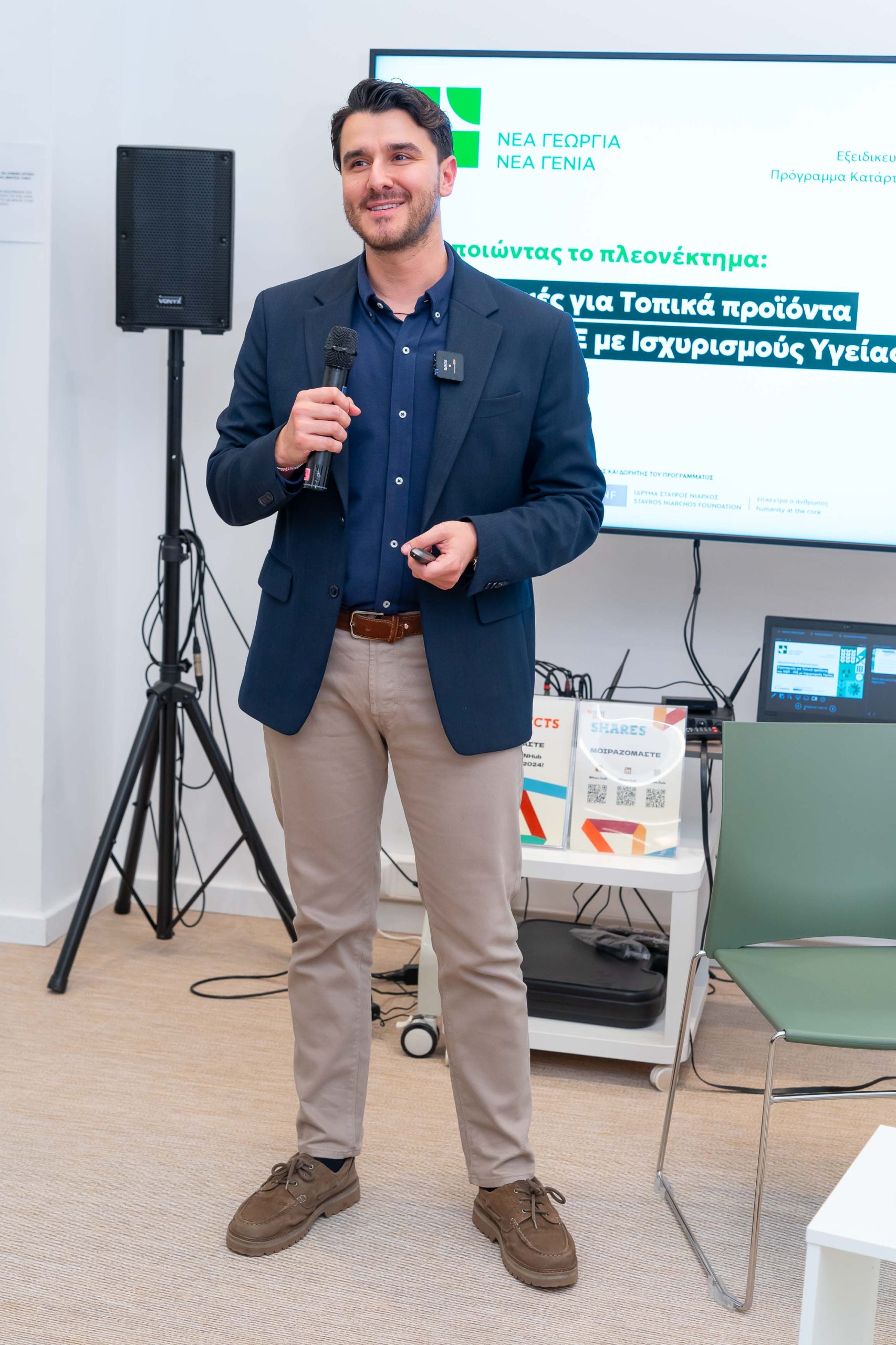
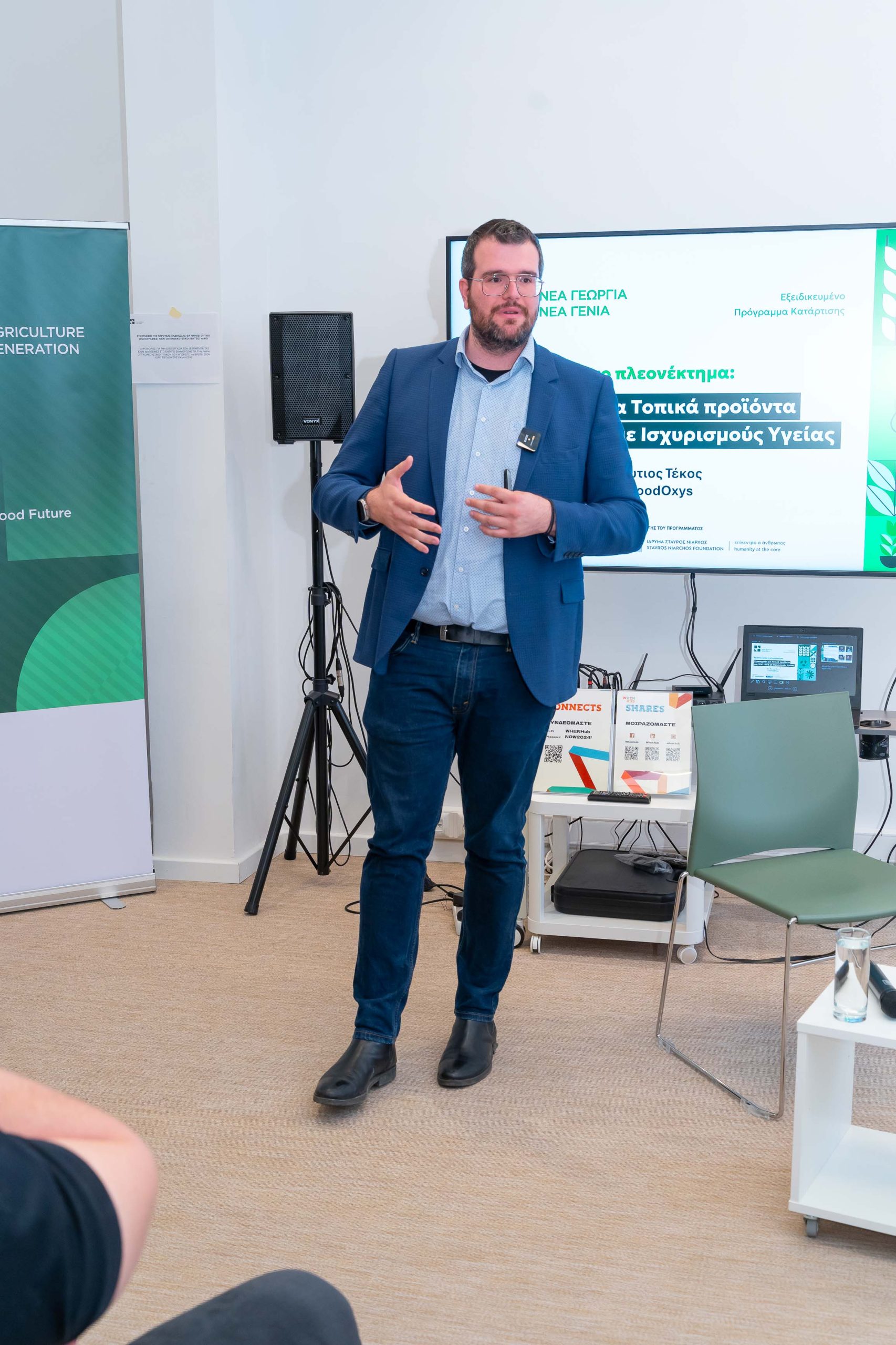
During the main part of the event, Fotis Tekos, CEO of Foodoxys and scientific partner of the programme, presented the “value cycle” of PDO-PGI products, demonstrating how health claims can enhance their identity and market potential, especially in the context of evolving dietary trends.
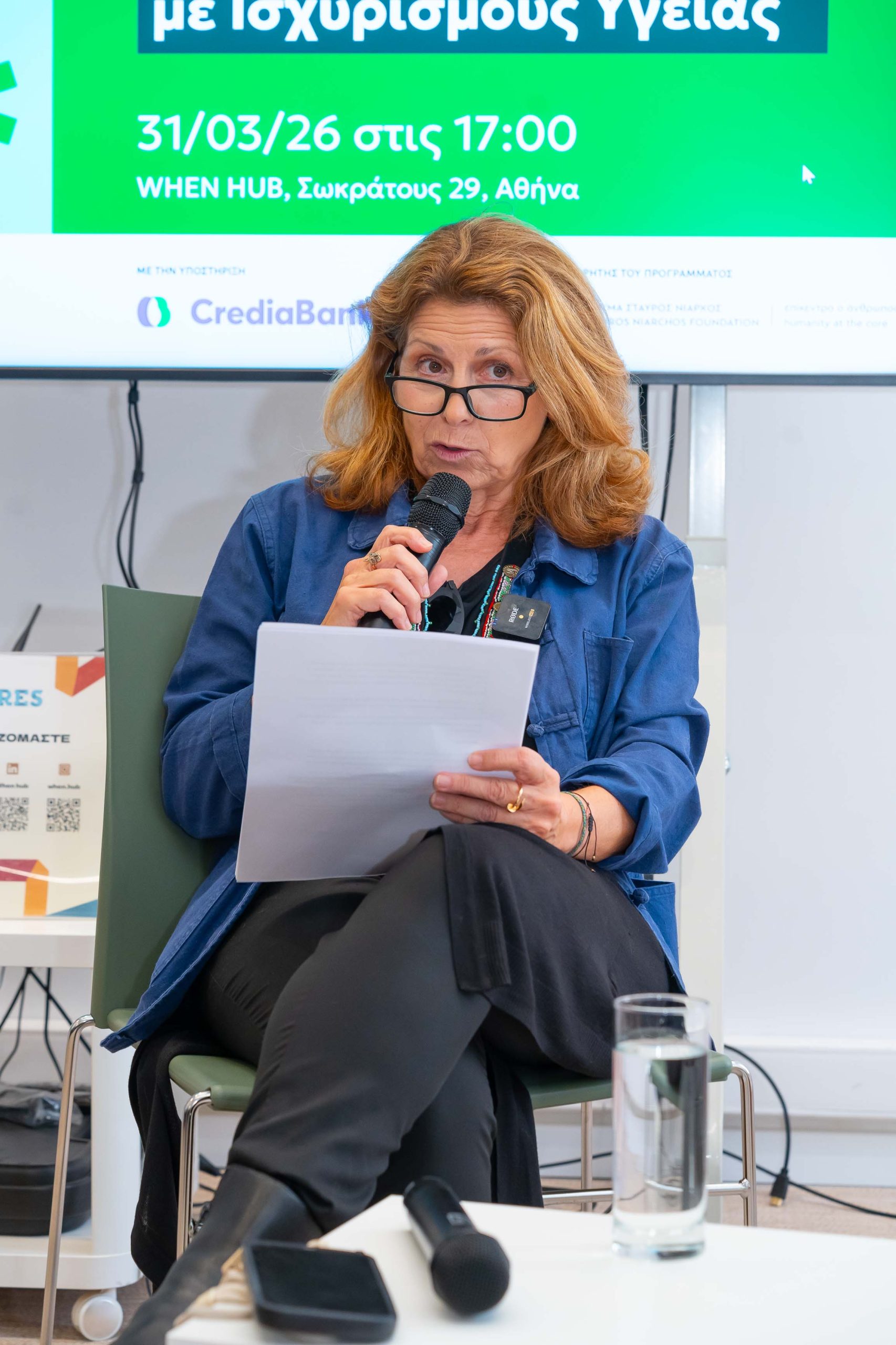
Travel journalist Maya Tsokli, as keynote speaker, explored the role of local products as a narrative element for destinations, linking authenticity and taste with wellbeing and sustainable identity.
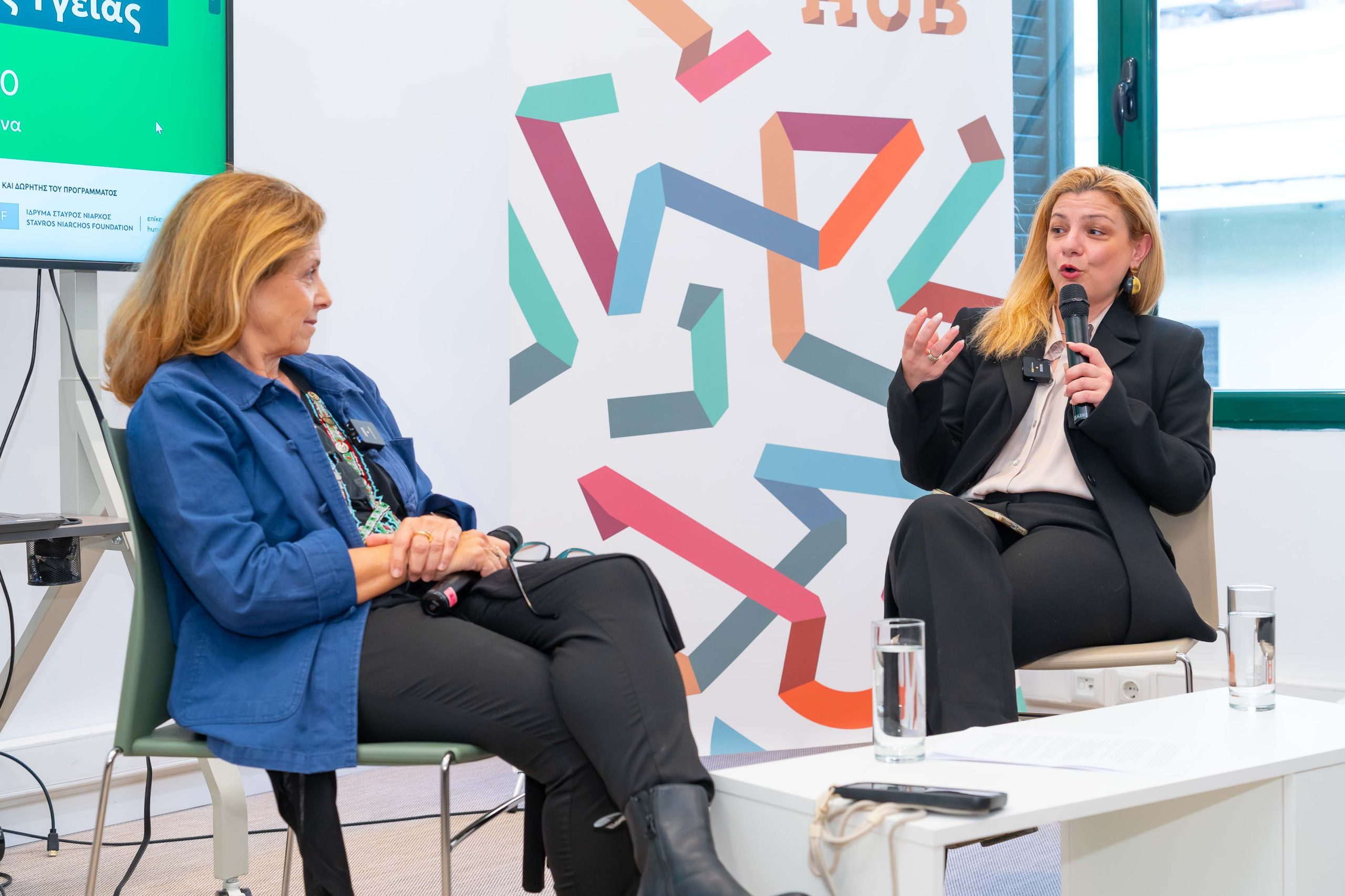
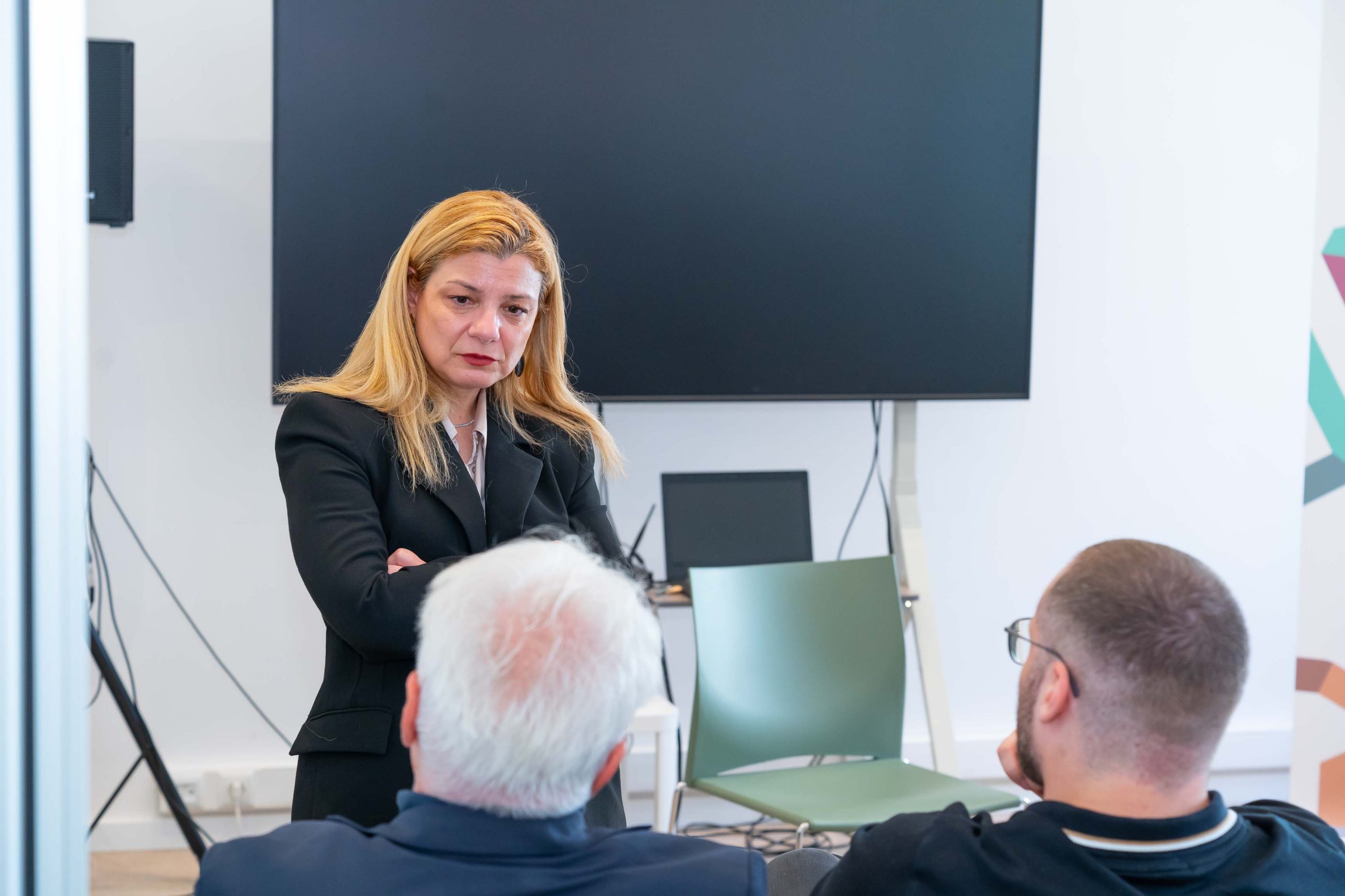
A fireside chat followed between Maya Tsokli and Yianna Balafouti, Senior Editor and Food Product Development Mentor, with contributions from Antonis Filippis and Effie Lazaridou, focusing on practical challenges faced by producers in leveraging PDO-PGI identity for exports and agritourism.
Dialogue on exports and financing
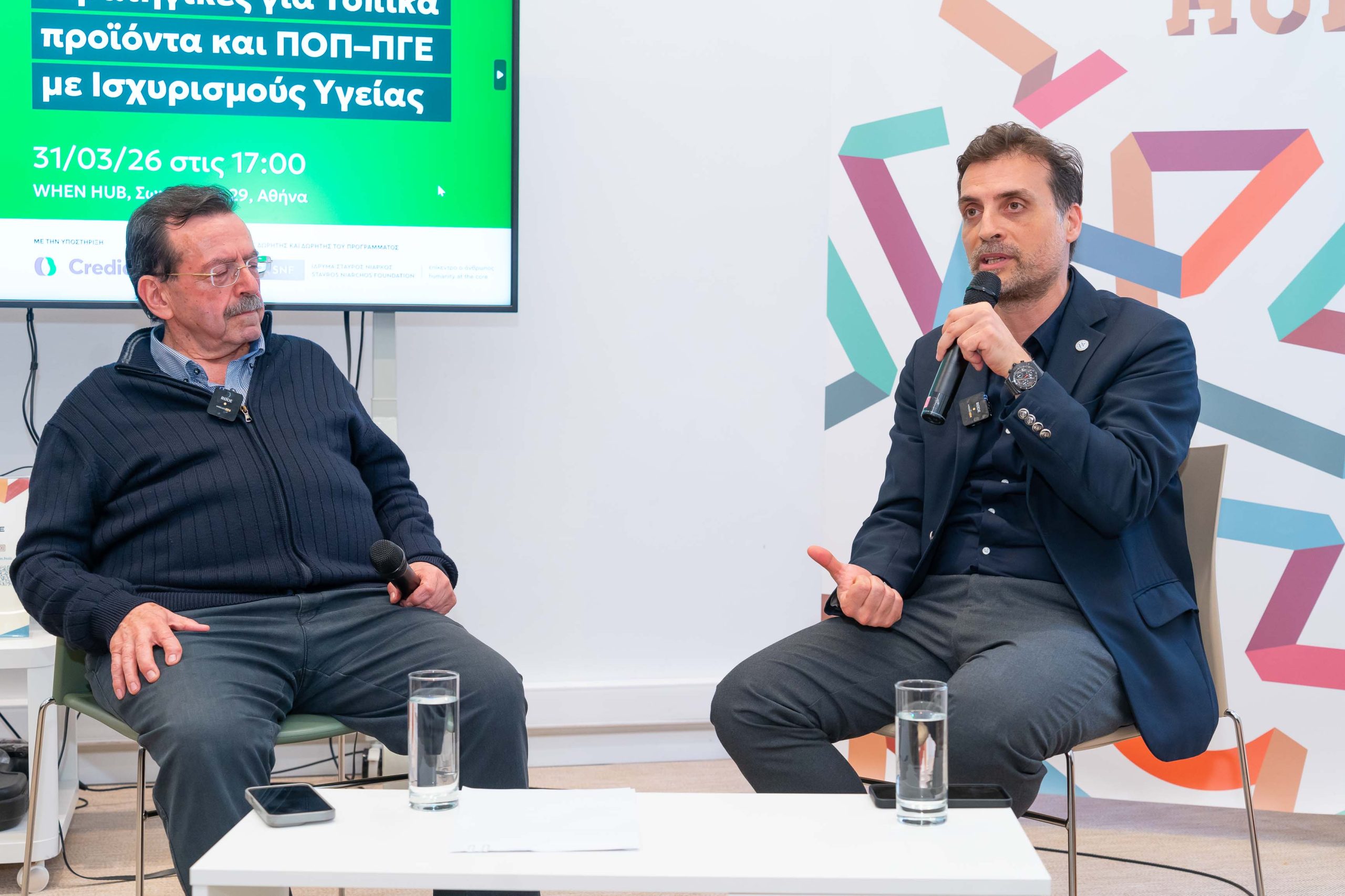
A discussion on international trade agreements and export opportunities for PDO-PGI products followed, featuring Christos Giannakakis, President of COGREXPO S.A. and Vice President of ETH.E.A.S., and Dimitris Voloudakis, General Programs Director at New Agriculture New Generation.
The discussion highlighted the need for increased collaboration and scale in production to support sustainable export strategies.
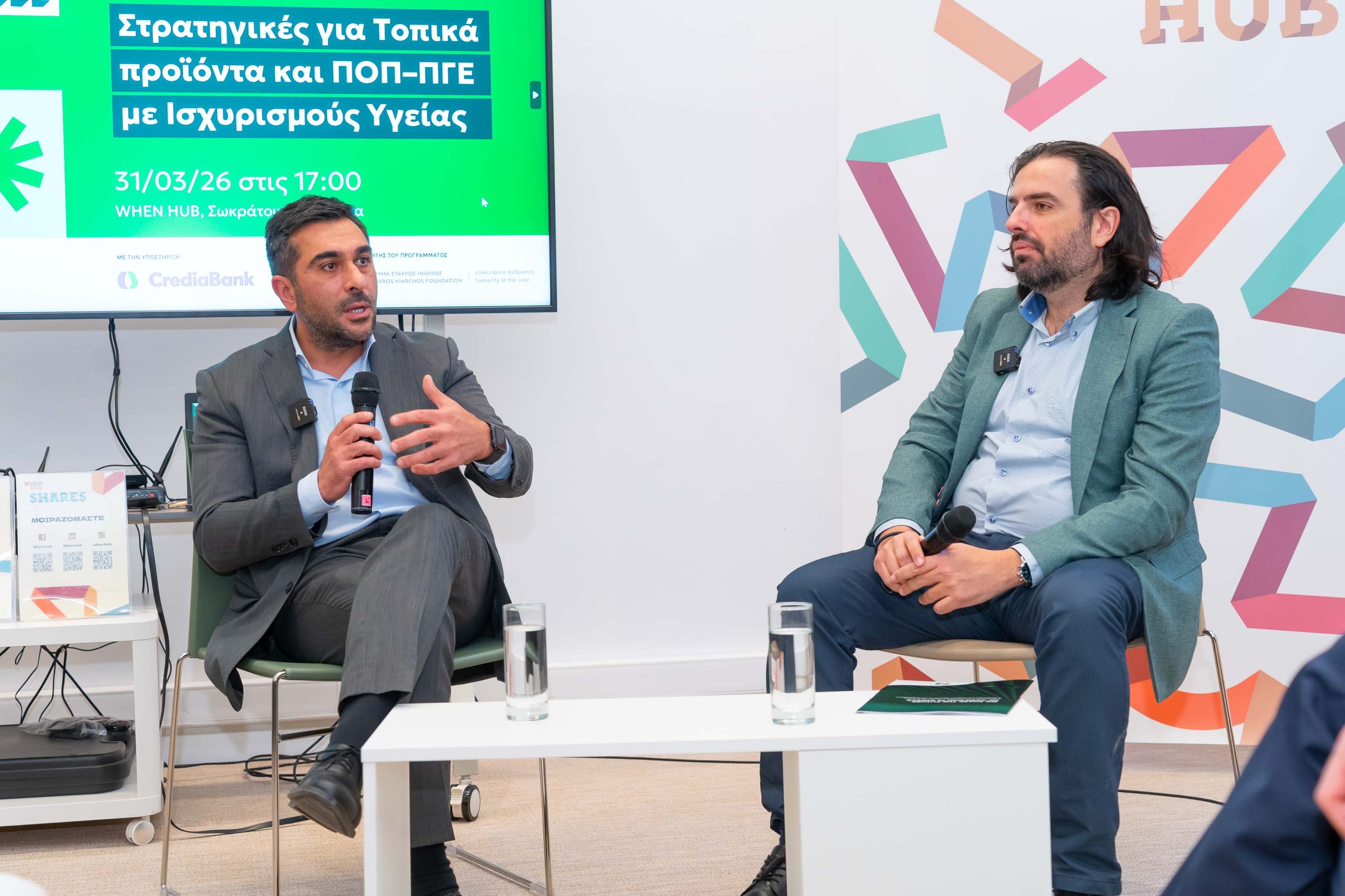
This was followed by a discussion on the role of the financial system in the commercial development of high-nutritional-value products, with Marios Vougioukas, Director – Small Business Strategy at CrediaBank, and Sotiris Katselos, Communications Director at New Agriculture New Generation. The discussion emphasized the need for specialized financial solutions that support sustainability, competitiveness and extroversion.
The programme and its beneficiaries
The programme “Leveraging the Advantage: Strategies for Local Products and PDO-PGI Products with Health Claims” constitutes the second phase of a national initiative by New Agriculture New Generation to enhance the value of products with geographical indications.
Its objective is to strengthen the competitiveness of Greek products of high nutritional value by leveraging health claims as a tool for differentiation, market positioning, exports and sustainable growth.
A total of 17 businesses and cooperatives participated in the programme, with 19 individuals attending.
Participants represented a wide range of sectors, including olive oil, dairy products, legumes, cereals, nuts, fruits and PDO products. The programme included 15 hours of asynchronous training and 4 hours of personalized consulting per participant.
Conclusions
The event concluded with interventions from programme beneficiaries and an open discussion with the audience, reinforcing the importance of knowledge, collaboration and strategic planning in unlocking the potential of PDO and PGI products.