Νέα Γεωργία Νέα Γενιά

International Conference on Cooperatives

The program leveraging its significant know-how and networking with stakeholders, organizes cutting-edge conferences in the agri-food sector.

PAST CONFERENCES

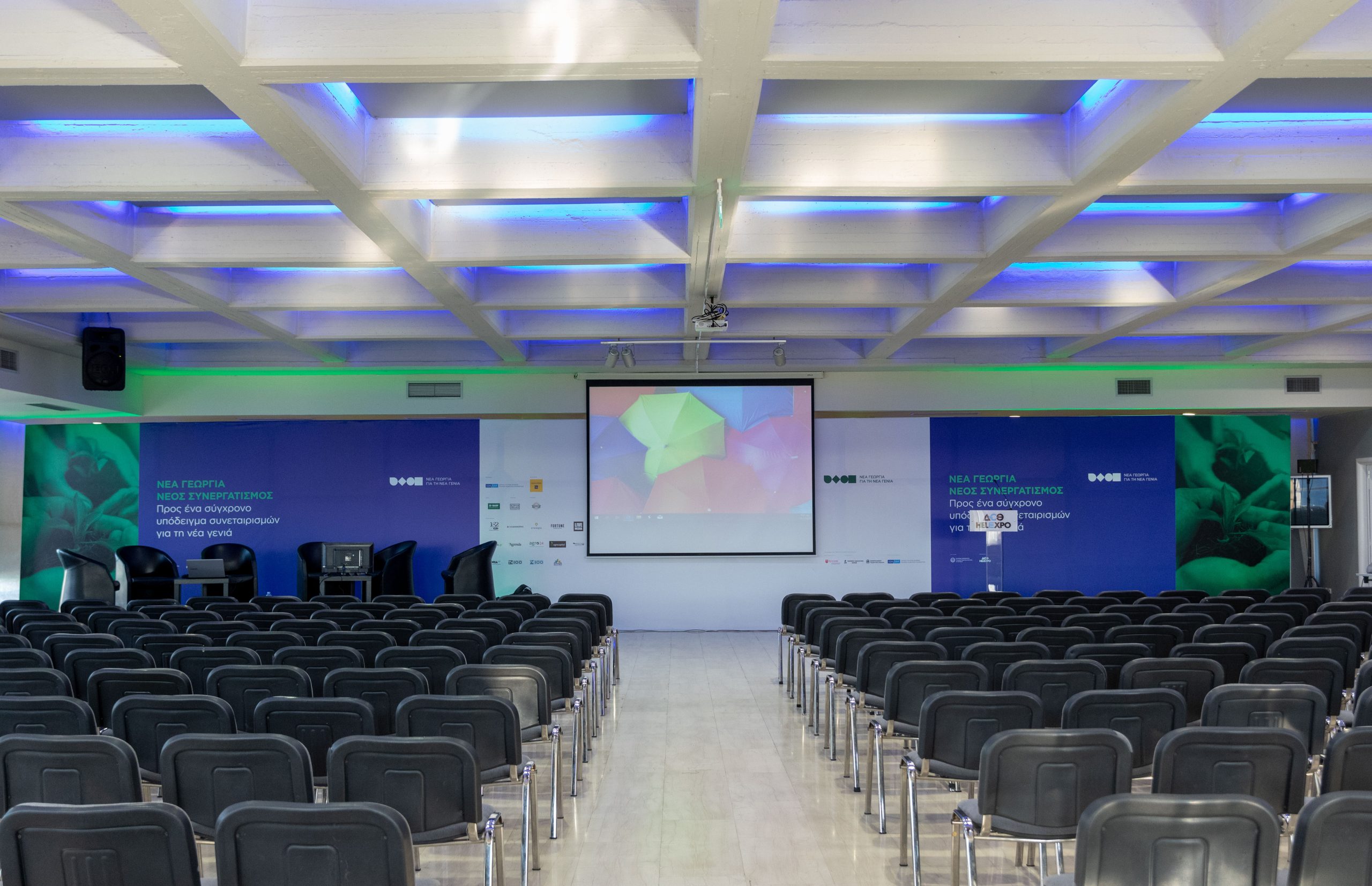
31/1/2020: New Agriculture – New Cooperatives. Towards a new paradigm of collaboration for the new generation. 

The program “New Agriculture for a New Generation” in collaboration with HELEXPO and under the auspices of the Ministry of Rural Development and Food, co-organized in the framework of the 28th Agrotica (January 31, 2020), the conference “New Agriculture – New Cooperatives. Towards a new paradigm of collaboration for the new generation”.

Greek and foreign experts, from Europe and the United States, partners and researchers, shared knowledge and experiences in order to form a new platform for designing competitive cooperative schemes, which through their operation will be tools of development for the industry and the country as a whole.

Farm Plastics Initiatives

The use of plastics in agriculture is extensive since they are used in various instances. Pollution caused by agricultural plastics is one of the biggest challenges as currently only about 10 percent of farm plastics are recycled worldwide.

The situation in Greece is characterized by deficiencies in the recording of quantities produced and used, while disposal on the ground and open fire are the dominant management practice, with the remaining farm plastic waste ending up in landfills.

EU regulations are -and will continue to do so- imposing strict rules for the protection of the environment. The Green Deal is already tapping into these issues. Developments will have direct impact both on agricultural practices and the ability of agrifood businesses to receive subsidies. They are already affecting the competitiveness of producers ability to do business abroad.

New Agriculture for a New Generation has embarked upon a nation-wide effort around responsible waste management of farm plastics.

Our goals are:

  • to support young farmers in ensuring their future business competitiveness and
  • to showcase that the agricultural sector can be part of the solution for the environment.

To this end, in a joint initiative with the Athanassios Laskaridis Charitable Foundation (ALCF) and with the support of the Hellenic Crop Protection Association (HCPA) we have organized a working meeting titled “Plastics in Agriculture” on December 9, 2019 in Athens. At the meeting, all new developments and concerns in the field of farm plastics were presented and discussed by experts and institutional representatives from Greece and abroad, as well as representatives of the ministries and recycling companies. It was made clear that, although the problem has been documented, there is no proper planning to address farm plastic waste.

As a next step, the “New Agriculture for a New Generation” program has commissioned an exoert environmentalist, Mrs Christina Kontaxi to conduct research on the use of farm plastics in Greece and come up with a brief report on the situation in the country and the EU regulatory framework, as an initial mapping tool in order to find solutions for farm plastics waste.

Based on the above, the “New Agriculture for the New Generation” program undertook the initiative to implement a pilot program for responsible waste management of farm plastics.

This program will include:

  • Information and awareness raising activities
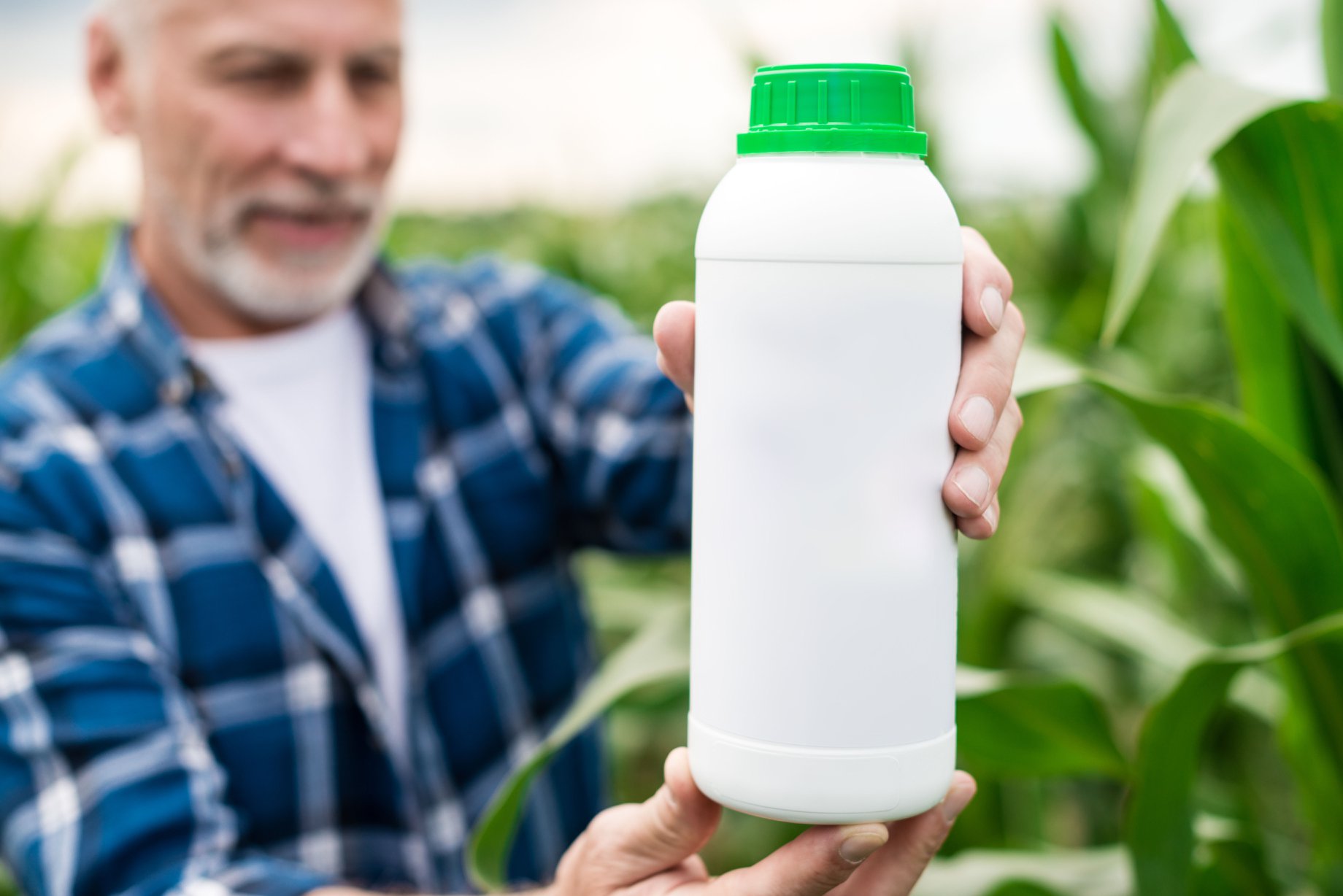
  • Pilot scheme for collection, transportation and recycling management of empty pesticide containers

This initiative will be implemented in collaboration with the Hellenic Crop Protection Association and with the support of Athanassios Laskaridis Charitable Foundation, Captain Vasillis and Carmen Constantakopoulos Foundation and the Ministry of Rural Development and Food.

The program “New Agriculture for a New Generation” facilitates the discussion and collaboration among key players and connects the dots between the users, recyclers, policy makers and institutional actors.

Enhancing the Position of High Nutritional Value Products

Enhancing the Position of High Nutritional Value Products

The action “Enhancing the Position of High Nutritional Value Products” aims to highlight the value of Greek agricultural products by identifying and adding health claims, thereby promoting their exports. It represents a structured approach to documenting health claims for products and supporting local production to further enhance competitiveness.

Increasing the competitiveness of high nutritional value products creates excellent prospects for the overall development of rural areas, ensuring added value for the products themselves. Additionally, through this action, it is possible to support other sectors that will benefit from increased economic activity, such as logistics and tourism.

The action is designed and implemented by the organization New Agriculture New Generation and the University of Thessaly (UTH), with the support of the National Union of Agricultural Cooperatives (ETHAE). The project leader is Dr. Dimitrios Kouretas, Professor at UTH, Laboratory of Animal Physiology, Department of Biochemistry and Biotechnology.

Action Objective

Highlighting health claims in local Greek products will increase their added value. However, in most cases, these properties have not been investigated. This specific action constitutes a structured approach to documenting health claims and supporting local production to enhance competitiveness.

The research action is addressed to:

  • Municipalities
  • Regions
  • Cooperatives & other collaborative schemes
  • Companies and producers

Action Structure

The project is executed in two distinct phases.

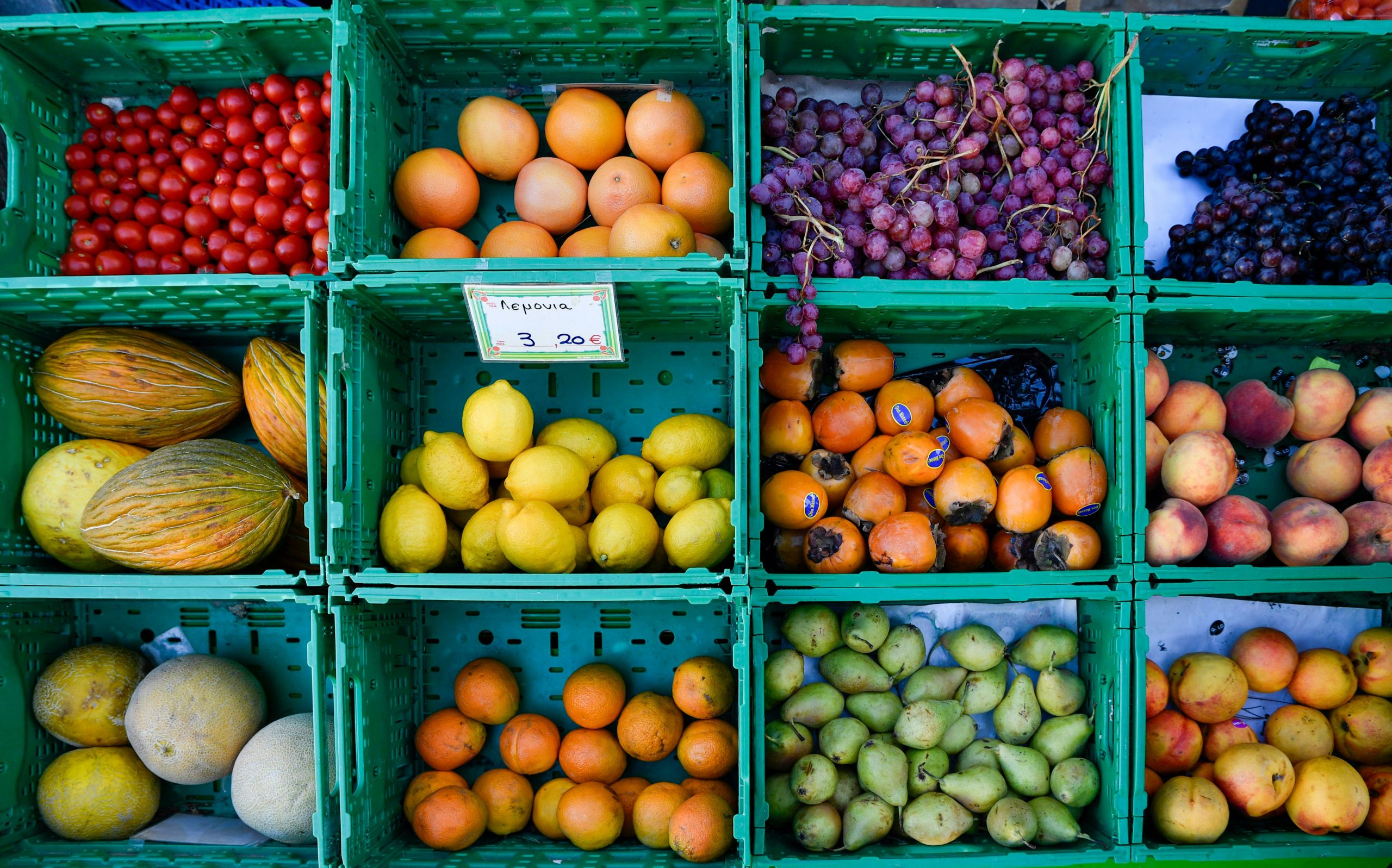
The first phase involves field research, laboratory analysis procedures, communication with the local agri-food system, and informing the interested public. The project will focus on 8 local products of high nutritional value:

  • Pieria Kiwis (PGI)
  • Naoussa Peaches (PDO)
  • Zagora Pelion Apples (PDO)
  • Maleme Chania Crete Oranges (PDO)
  • Prespes Florina Beans (giant elephants) (PGI)
  • Cretan Stamnagathi
  • Sykouri Almonds from the Ossa area
  • Edessa Cherries

In the second phase, the project focuses on business support and developing a comprehensive strategy for the commercial promotion of the health claims that will add value to the produced products.

It is clear that identifying and adding health claims to Greek products will give them significant added value, especially for exports.

Duration of Action

The duration of the research program is 12 months.

More Information

Dr. Dimitrios Kouretas, Professor, University of Thessaly

Tel: 2410565277, 6947892709

Email: [email protected]

Kalliopi Karaboiki, Capacity Building Associate, New Agriculture New Generation

Tel: 2106917986, 6972096122

Email: [email protected]

White Paper on Greek Local Products, PDO and PGI Products, and Health Claims

As part of the “Making the Most of the Advantage: Strategies for Local Products and PDO and PGI Products with Health Claims” programme, New Agriculture New Generation edited and published a collective white paper bringing together perspectives, expertise and strategies on the importance of health claims for local products, particularly those with Protected Designation of Origin (PDO) or Protected Geographical Indication (PGI) status. The programme was implemented through the founding grant of the Stavros Niarchos Foundation (SNF) and with the support of CrediaBank.

The white paper brings together 11 authors, including scientists, researchers, specialists and professionals from across the agrifood sector.

It also presents the results of analyses of eight Greek local products of high nutritional value from different regions of the country. Five of these products have PDO or PGI status.

Why Health Claims Matter

Greece is home to high-quality local products, including those with PDO or PGI status. Local ecosystems, environmental conditions and climates help shape products with distinctive characteristics and an authentic regional identity. International competition is strong, however, and many countries also produce foods with a distinct identity. Greek producers need to make the most of their products’ strengths to remain competitive.

Research points to strong international interest in foods with high nutritional value. Producers therefore need to identify and highlight the nutritional value of their products and the health claims that can be made about them. This requires scientific evidence, compliance with EU regulations and clear, credible communication. By using permitted nutrition and health claims responsibly, producers can strengthen the market position of high-quality Greek foods, including PDO and PGI products.

The White Paper

The white paper brings together practical information to help producers and institutions working in the agrifood sector understand the strategic value of using health claims.

It explains:

  • Why health claims matter for food products.
  • How health claims are scientifically substantiated.
  • The applicable legal and regulatory framework.
  • The conditions for using nutrition claims.
  • How health claims can be used commercially.
  • How local products connect to the identity of a place.
  • Opportunities for branding, sales and exports.
  • The role of good agricultural practices.

The appendix presents eight Greek products whose health claims had previously been substantiated.

The products analysed were:

  • Pieria kiwifruit (PGI)
  • Almonds from Sykourio in the Ossa area
  • Zagora apples from Mount Pelion (PDO)
  • Maleme oranges from Chania, Crete (PDO)
  • Giant elephant beans from Prespa, Florina (PGI)
  • Avocados from Chania
  • Dried figs from Messinia
  • Black Corinthian currants (PDO)

These examples show how a product’s origin, quality and nutritional composition can inform a broader market positioning strategy that follows the rules for scientific substantiation and communication.

The white paper also explores how businesses can develop regional or thematic product portfolios that combine scientific evidence, standardisation, storytelling about product origins and commercial development. This can help businesses establish a clearer position in markets where consumers value authenticity, transparency, quality and reliable information.

A Resource for the Agrifood Sector

The white paper is intended for farmers, producer groups, cooperatives, food businesses, marketing and export professionals, researchers, advisers and policymakers.

For businesses and cooperatives, it can serve as an introductory guide to connecting scientific knowledge with commercial strategy. It opens up a discussion on how they can better plan investments in product analysis, product development, labelling, branding and access to new markets.

For public and regional authorities, the white paper highlights the need for coordinated support across the value chain that extends beyond individual promotional activities. This includes access to technical support, laboratory facilities, training, advisory services, compliance tools and networks for collaboration. With these resources in place, local products can contribute more to competitiveness, employment, exports and sustainable development in rural Greece.

Collaboration Across Disciplines

The authors include scientists and professionals from agrifood, biochemistry, marketing, business development, finance and tourism. Their combined expertise allows the white paper to examine the scientific and legal aspects of health claims and their role in a broader development strategy.

The white paper was produced under the programme of the same name, “Levering the Advantage: Strategies for Local Products and PDO and PGI Products with Health Claims” (2025–2026). New Agriculture New Generation implemented the programme through the founding grant of the Stavros Niarchos Foundation (SNF) and with the support of CrediaBank.

The programme provided training to 17 businesses and cooperatives and 19 beneficiaries. The training helped them understand the regulatory framework and certification procedures, use health claims effectively in their strategies, and strengthen their competitiveness in domestic and international markets. Each beneficiary received 15 hours of self-paced training and four hours of one-to-one advisory support. The programme also included an information event held in Athens on 31 May 2026. The event content was made freely available through the organisation’s channels and can be viewed here (Hyperlink).

The programme built on an earlier initiative, “Enhancing the Position of Greek Local Products of High Nutritional Value, Including PDO and PGI Products: Substantiating Health Claims and Supporting Local Production” (2023–2024). New Agriculture New Generation implemented the initiative through the founding grant of the Stavros Niarchos Foundation (SNF), in partnership with the University of Thessaly and with the support of the National Union of Agricultural Cooperatives (ETHEAS). This earlier initiative substantiated the health claims for the eight products featured in the white paper’s appendix.

The white paper makes some of the expertise gained through these programmes available to a wider audience.

New Agriculture New Generation warmly thanks everyone who contributed to the white paper and encourages readers to share it with credit to the source.

Download the white paper (available in Greek) to explore the opportunities for Greek local products, including those with PDO or PGI status.

The organization Nea Georgia Nea Genia is a non-profit organization.