
Νέα Γεωργία Νέα Γενιά

Leveraging the Advantage: Strategies for Local Products and PDO–PGI with Health Claims

Summary

New Agriculture New Generation announces the implementation of the program “Leveraging the Advantage: Strategies for Local Products and PDO–PGI with Health Claims”. Its aim is to enhance the competitiveness of Greek products with high nutritional value by utilizing Health Claims as a tool for differentiation, extroversion and sustainable development.

The program is addressed to agrifood businesses, cooperatives and producer groups seeking to strengthen their market position by combining expertise in regulatory frameworks with targeted strategies in marketing, sales, and exports. It follows on from the very successful program entitled “Enhancing the Position of High Nutritional Value Products“.

It is implemented by New Agriculture New Generation, through the founding donation of the Stavros Niarchos Foundation (SNF) and with the support of CrediaBank.

Program Objective

The main goal is to train and support agrifood businesses so they can understand the regulatory framework and certification procedures, effectively integrate Health Claims into their strategies and enhance their competitiveness in both the domestic and international markets. At the same time, the program promotes the adoption of best practices in natural resource management, contributing to sustainable development.

Learning Objectives

The educational objectives include an in-depth understanding of the regulatory framework governing Health Claims, certification and documentation procedures and their connection to marketing, commercial strategy and exports. Participants will also acquire knowledge on the proper use and management of water resources, strengthening the sustainability of their production.

Target Audience

The program is addressed to businesses operating in the agrifood sector that produce PDO–PGI products or intend to utilize Health Claims. It also targets cooperatives, producer groups and business executives involved in strategy, marketing, sales and exports. Priority will be given to businesses located in remote areas.

Number of Beneficiaries

A total of 15 businesses, cooperatives, or producer groups will benefit from the program. Up to three executives from each business may participate, with the total number of participants reaching 45 individuals.

Program Structure

The total duration of the program is 4 months.

The program includes:

  • Educational Workshops (15 hours of asynchronous training via the Cultivate platform), covering topics such as the regulatory framework and certification procedures, optimal water resource management, marketing and branding, sales strategy and the export of products with Health Claims.

  • Individualized Consulting: Throughout the program, the 15 participating businesses and their executives (up to 3 per business) will receive customized consulting support based on their specific needs and goals, delivered by distinguished market professionals (4 hours per business). Additionally, each business will receive 1 hour of individualized consulting on best practices for water resource management, based on their needs.

  • Networking Events (one opening and one closing event), enabling knowledge exchange and collaboration.

  • Collective Publication (White Paper) summarizing the program’s results and best practices.

Certificate of Completion

All participants will receive a Certificate of Attendance.

Participation Cost

Participation in the program is FREE OF CHARGE.

Instructors

The educational workshops will be conducted in collaboration with university institutions, specialized market professionals, and established consultants in marketing, sales, and exports.

Application Process

Applications will remain open from November 19 to December 7, 2025.

Cultivating Hope – Harvesting Change Project (CH-HC)

“Planting Knowledge, Creating Opportunities”

New Agriculture New Generation, in collaboration with PRAKSIS and with the support of the Citi Foundation, is implementing, from February 2025 and for a duration of two years, the program “Cultivating Hope – Harvesting Change Project (CH-HC)”, under the central message “Planting Knowledge, Creating Opportunities.”

Tackling Homelessness through Education and Employment

Homelessness is one of the most complex social issues of modern societies, affecting thousands of people in Greece. The CH-HC program aims to provide meaningful opportunities for integration and empowerment through training and hands-on experience in the agrifood and tourism sectors — two industries with significant growth and employment potential.

Through a holistic framework of education and practical training, participants gain access to educational seminars, on-the-job experience and theoretical instruction delivered by specialized professionals.

The practical training will take place in vegetable gardens, offering participants hands-on experience in cultivation and land care, while also engaging them in theoretical modules that promote environmental awareness, professional readiness and personal empowerment.

A Two-Year Program with Meaningful Social Impact

The CH-HC program aims to reach at least 300 beneficiaries, providing free participation and the opportunity for genuine social and economic inclusion.

Trainings will be conducted in five cycles over the two-year period, with November 2025 marking the launch of the first training cycle in Attica.

To express interest, participants can fill out the application form HERE.

For more information, please contact Ms. Ioanna Tabaki:
📞 +30 6985866432
📧 [email protected]

Global Support for Local Impact

The Global Innovation Challenge supports innovative initiatives that address economic and social challenges in low-income communities around the world.

The main goals of the program include:

  • developing skills and professional qualifications,

  • providing personalized support,

  • enhancing employability in the agri-food and tourism sectors, and

  • promoting entrepreneurship.

Learn more
Read the Program Information Sheet HERE.

Green Skills | The First Open Training Initiative of BE Future READY

Free, certified training in green skills for young people in the agrifood sector — the first open call of the BE Future READY programme is now live!

This is the first open training opportunity of the BE Future READY programme!

New Agriculture New Generation is pleased to announce that applications are now open for the 1st Green Skills Training Cycle, the first open educational activity of the BE Future READY (Bridge to Employment: Future READY) programme.

Implemented by New Agriculture New Generation in partnership with ActionAid and with the support of the Citi Foundation, the programme aims to serve as a meaningful bridge to sustainable employment for more than 500 young people across Greece.

Green Skills Training

The programme consists of four training cycles, each comprising 60 hours of instruction, with a total capacity of 240 participants.

Participation is completely free of charge and leads to an ACTA certification upon successful completion.

The programme will run from July 2026 through December 2027, with all training delivered online via CULTIVATE, New Agriculture New Generation’s digital learning platform.

Programme Curriculum

The curriculum has been carefully designed by drawing on New Agriculture New Generation’s extensive experience in delivering educational programmes and agrifood business acceleration initiatives.

In addition, the content was informed by a dedicated survey conducted among prospective participants to better understand their interests and learning needs.

Training modules include:

  • Soil Health and Regenerative Agriculture
  • Sustainable Business Models (Marketing & Business Model Canvas)
  • Water Management and Efficient Resource Use
  • Climate Resilience and Climate Change Adaptation
  • Renewable Energy and Sustainability
  • Organic Farming
  • Biodiversity and Ecosystem Protection
  • Sustainable Consumer Choices in Food Systems
  • Carbon Farming
  • Introduction to Circular Agriculture
  • Green Technologies and Digital Transformation
  • Green Certifications, Traceability and ESG in the Agrifood Sector

The educational material has been developed by experienced agronomists and trainers from New Agriculture New Generation, providing participants with a comprehensive introduction to the agrifood sector, sustainable agricultural practices and emerging technologies.

Who Can Apply?

The programme is designed for young people aged 15–24 who wish to develop new skills or strengthen their employability in the agrifood sector. Selected programme activities are also open to young adults aged 25–29.

Priority will be given to:

  • Unemployed and underemployed young people
  • Young people living in rural and semi-urban areas
  • Women pursuing careers in the agrifood sector
  • Young people from low-income households
  • Young people with migrant or refugee backgrounds

Why Join?

The green transition is creating new demands and opportunities across the labour market. Employers are increasingly seeking professionals with knowledge of sustainability, organic farming, carbon farming and emerging green technologies.

Through the Green Skills Training programme, participants will:

  • Gain free, ACTA-certified training
  • Strengthen their CV with in-demand green skills
  • Learn online with complete flexibility
  • Become part of a growing network of more than 500 young people
  • Take an important step towards employment in the agrifood sector

How to Apply

Applications are open from 1 July 2026 until the first 60 applications have been received on a first-come, first-served basis, or no later than 26 July 2026.

If more than 60 eligible applications are submitted during the first cycle, additional eligible applicants will have the opportunity to participate in the next training cycle, which will open in September 2026.

More information is available at BEFUTUREREADY.GR.

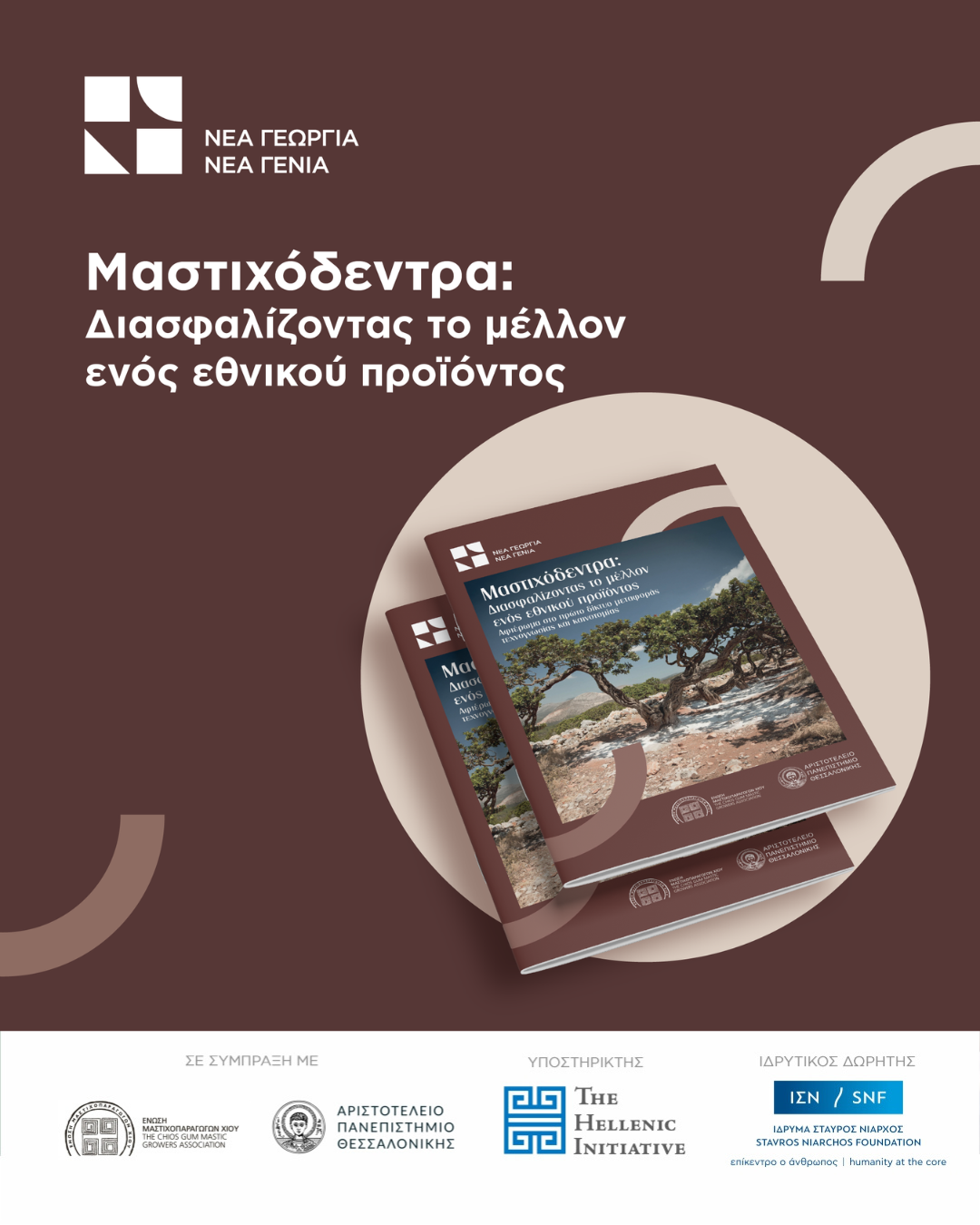
Available now: The new feature publication “Mastic Trees: Securing the Future of a National Product”

An initiative for knowledge and mastic cultivation

The publication was developed within the framework of the program “Mastic Trees: Securing the Future of a National Product – Knowledge Transfer and Innovation Network in Chios”, an initiative designed and implemented by New Agriculture New Generation, in collaboration with the Floriculture Laboratory of the School of Agriculture at Aristotle University of Thessaloniki and the Chios Gum Mastic Growers Association.

A knowledge and collaboration network for mastic cultivation

The publication aims to highlight the collective experience developed through the creation of a knowledge-sharing and collaboration network for mastic cultivation, based on peer-to-peer learning and on strengthening the connection between the scientific community and local production.

What the publication includes

The publication includes:

  • the history and methodology of the program,
  • the structure and operation of the knowledge transfer network,
  • educational and cultivation practices related to mastic production,
  • examples of modern agricultural education approaches,
  • outcomes and key findings of the initiative,
  • as well as testimonials from participants, partner organizations and scientific collaborators.

The importance of collaboration

Through its pages, the publication highlights the importance of collaboration among producers, universities, cooperative organizations and institutions, aiming to support the sustainable development of mastic cultivation and secure the future of a unique national product.

Program implementation and support

The program was co-funded by New Agriculture New Generation through the founding grant of the Stavros Niarchos Foundation (SNF) and by the Chios Gum Mastic Growers Association, while The Hellenic Initiative supported the extension of the program.

📘 The publication is available free of charge in Greek, in digital format, HERE.

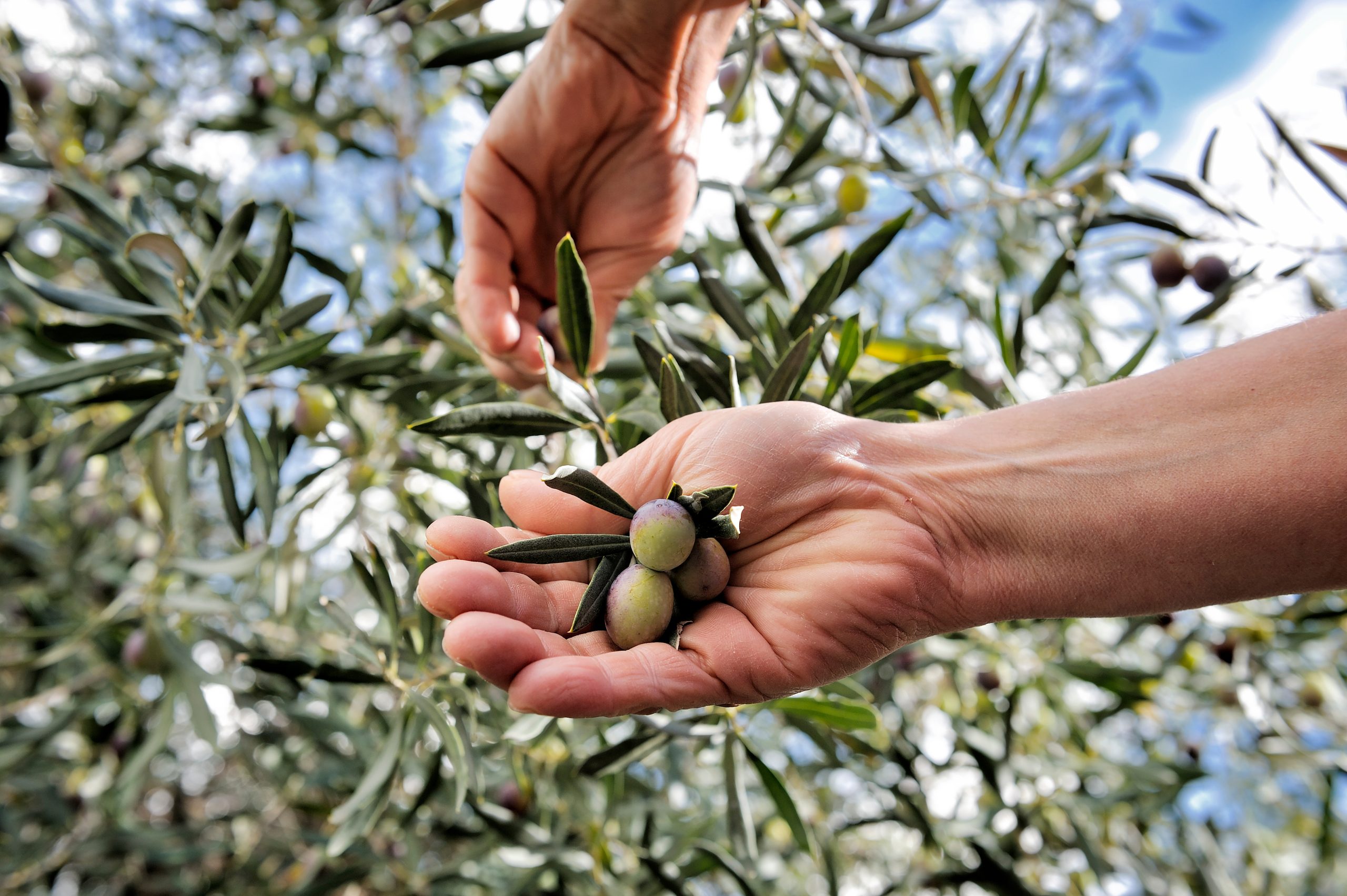
Practical Olive Growing Guide

Practical Olive Growing Guide

Everything you need to know about modern olive cultivation – in one guide!

The Practical Olive Growing Guide was created as part of the Open Olive Oil Academy, implemented in 2024 by New Agriculture New Generation, through the founding donation of the Stavros Niarchos Foundation (SNF), and in collaboration with the Municipality of North Kynouria and the Chamber of Arcadia.

What will you find in the Guide?

· Practical advice on olive cultivation
· Essential knowledge about the tree, soil, diseases, irrigation, and olive oil production
· A valuable reference tool for every modern olive grower
· Recommendations based on scientific evidence and hands-on experience

The Guide is the result of the work of an interdisciplinary team of experts and can stand alone—whether you’re a beginner or an experienced olive grower.

Download the Guide (in Greek) for free and improve your cultivation practices!

Bridge to Employment: Future READY | An Initiative Empowering and Enhancing the Employability of 500+ Young People

Athens, 29 June 2026 – A new initiative to empower young people and bridge the gap between education and the labour market was presented today. The Bridge to Employment: Future READY (BE Future READY) programme, implemented by New Agriculture New Generation in partnership with ActionAid and with the support of Citi Foundation, aims to support more than 500 young people across Greece.

The programme was presented at the offices of Citi Greece in Athens, with the participation of Emilios Kyriakou, CEO and Head of Banking for Citi Greece, Cyprus & Malta, Effie Lazaridou, CEO of New Agriculture New Generation, Eva Polyzogopoulou, General Director of ActionAid Greece, and Dimitris Voloudakis, Programmes Director at New Agriculture New Generation.

Following a brief welcome by the representatives of the organisations implementing the programme, Mr Voloudakis presented its main features.

The Bridge to Employment: Future READY Programme

Bridge to Employment: Future READY will run until February 2028 and aims to build a meaningful and sustainable pathway to employment, placing particular emphasis on young people from vulnerable social and economic backgrounds, rural and semi-urban areas, as well as young people with migrant or refugee backgrounds.

The programme primarily targets young people aged 15–24, while a smaller percentage of participants aged 25–29 will also be eligible to take part.

Through a comprehensive portfolio of activities, the programme invests in developing skills that respond to the needs of today’s labour market, offering vocational training, Green Skills education, financial and digital literacy, career guidance, counselling services, mentoring, as well as direct networking opportunities with employers.

By leveraging New Agriculture New Generation’s CULTIVATE digital learning platform, the programme ensures that young people from different regions of Greece have access to educational resources, counselling services and professional development opportunities, regardless of where they live.

The Role of the Implementing Organisations

As the lead implementing organisation of the Bridge to Employment: Future READY programme, New Agriculture New Generation is responsible for the overall design, coordination and implementation of the programme’s activities. Building on its extensive experience and expertise in designing high-impact educational initiatives, the organisation develops actions that strengthen young people’s skills and create meaningful pathways to employment, with particular emphasis on the agrifood sector and the green economy.

Within the framework of the programme, ActionAid is responsible for implementing activities focused on developing financial, digital and employability skills. More specifically, through 10 experiential training camps, one business ideas Hackathon, 100 personalised mentoring sessions, two Job Fairs in Athens and Thessaloniki, ten employability skills seminar cycles, and collaborations with employers, among other activities, the programme aims to equip young people with the knowledge, confidence and opportunities they need to plan their next professional steps.

The Programme’s First Action

The programme’s first educational initiative is the Green Skills training cycle, implemented by New Agriculture New Generation and launching on 31 July 2026. It will provide participants with knowledge and skills related to sustainable development, the green economy and modern practices in the agrifood sector.

The programme includes four training cycles of 60 hours each, targeting the participation of 240 young people, who will receive ACTA certification upon successful completion. It is delivered entirely online through the CULTIVATE platform, combining asynchronous learning, educational resources, self-study and assessment, and will remain available until December 2027.

Partnership with Citi Foundation

This marks the second time that New Agriculture New Generation has been selected by Citi Foundation as part of the Global Innovation Challenge, having previously been recognised in 2023 for the Social Farming 360 programme, implemented in collaboration with the General Secretariat for Anti-Crime Policy, ActionAid and Freedom Gate. At the same time, the organisation also participates in another Global Innovation Challenge initiative led by PRAKSIS, focusing on the labour market integration of people experiencing housing insecurity.

More information is available at BEFUTUREREADY.GR.

Social Farming 360: Empowering Communities through Sustainable Agriculture and Social Reintegration

The organization New Agriculture New Generation is implemented the “Social Farming 360” program, with full support from the Citi Foundation. In close collaboration with the General Secretariat for Anti-Crime Policy of the Ministry of Citizen Protection, and in partnership with ActionAid and Freedom Gate, the program focuses on enhancing food security, developing skills for vulnerable social groups, and promoting the production of social farming products.

Addressing Food Security and Sustainable Farming

Food security is a global challenge, with more than 770 million people suffering from some form of undernourishment. In Greece, the need for sustainable food production is becoming increasingly urgent, especially as agricultural productivity faces significant challenges due to the climate crisis. Social Farming 360 addresses these challenges by supporting sustainable food production in correctional facilities across the country. The program not only promotes sustainability but also offers inmates opportunities for training and employment in agriculture, focusing on olive cultivation, medicinal, and aromatic plants. The project further enhances the expertise of the agronomists working in these facilities.

A Multidimensional, Two-Year Program

With the support of Citi Foundation and in cooperation with the General Secretariat for Anti-Crime Policy, Social Farming 360 is a two-year program that spans multiple layers of intervention. It supports sustainable food production and distribution in four agricultural correctional facilities (Agia Chania, Tiryntha Argolida, Kassavetia Volos, and Kassandra Halkidiki) and two special detention centers (Women’s Detention Facility and Eleonas Thiva Drug Rehabilitation Center). In addition to agricultural training, the program includes the development of soft skills, professional integration, and reintegration through psycho-social education, in collaboration with ActionAid and Freedom Gate.

Transforming Agriculture and Empowering Social Reintegration

Social Farming 360 plays a crucial role in transforming agricultural practices within correctional institutions, providing practical skills to inmates, and actively supporting their reintegration into society. At the same time, it ensures food security within the detention centers and the local communities surrounding them.

Global Support for Local Impact

New Agriculture New Generation is one of 50 organizations worldwide to receive $500,000 donations from the Citi Foundation as part of its first Global Innovation Challenge. This initiative focuses on four critical areas: access to food, food availability, affordability, and community resilience. The Global Innovation Challenge represents a $25 million philanthropic effort to identify and support innovative solutions to social and economic challenges faced by low-income communities worldwide.

They said about the program

  • Aimilios Kyriakou, CEO of Citi Greece, Cyprus, Malta:
    “Safe, healthy, and nutritious food in sufficient quantities is fundamental for everyone’s well-being. It requires constant effort and cooperation at all levels to achieve this goal. The new Citi Foundation initiative, ‘Global Innovation Challenge – Food Security,’ aims to contribute to solving this global issue. We wish great success to the Social Farming 360 program and our volunteers who are eager to support.”
  • Effie Lazaridou, CEO New Agriculture New Generation:
    “We are proud to contribute to the transformation of agricultural activities in correctional facilities and actively support the reintegration of inmates and food security in detention centers and their surrounding communities. The trust of Citi Foundation honors us and motivates us to work even harder in collaboration with the General Secretariat for Anti-Crime Policy towards sustainable food production, especially as the climate crisis significantly affects agricultural productivity.”
  • Dimitra Lygoura, General Secretary for Anti-Crime Policy:
    “The Social Farming 360 program is a valuable opportunity for the reintegration of vulnerable groups into society and for creating a more sustainable and inclusive environment. I congratulate the New Agriculture New Generation organization and Citi Foundation for this initiative, and I am confident that this collaboration will yield positive results on multiple levels.”
  • Makis Drakopoulos, Director of Programs and Institutional Funding at ActionAid:
    “Through this program, based on ActionAid’s expertise in the labor integration of people at risk of social exclusion, we aim to help inmates develop their skills and gain the confidence needed for successful professional reintegration.”
  • Tina Annett Torronen, President of Freedom Gate:
    “With years of experience in implementing psycho-social support programs in correctional facilities, Freedom Gate is proud to contribute to the success of the program by enhancing inmates’ psycho-social framework and reintegration prospects.”

LEARN MORE

Read about the program’s Impact.

You can view the program’s fact sheet [here].

You can read the Press Release from the Ministry of Citizen Protection [here in Greek].

Voices from the field, a feature by Citi Foundation on the program.

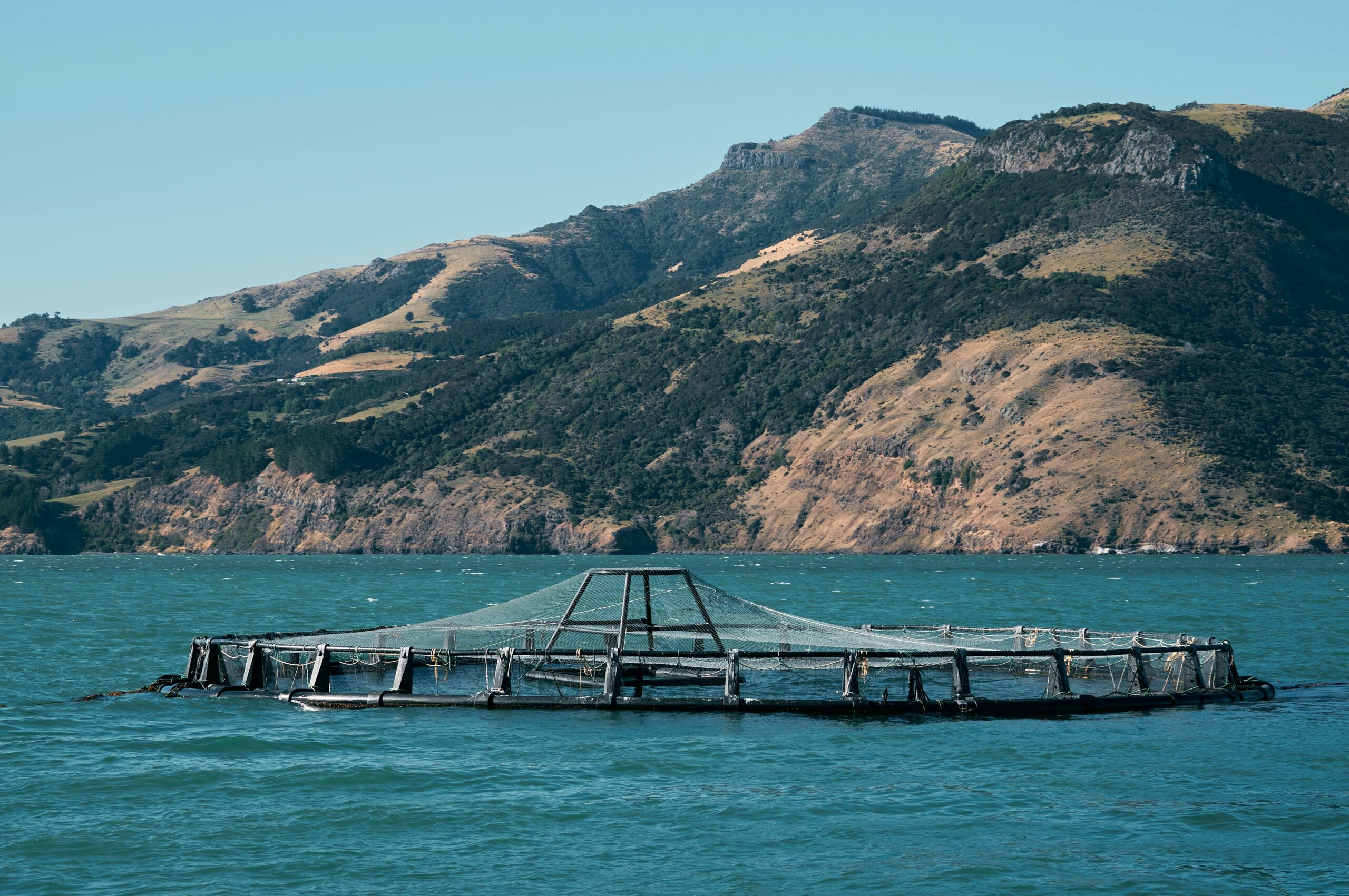
Promoting Small-Scale Aquaculture Sustainability in Southeast Mediterranean

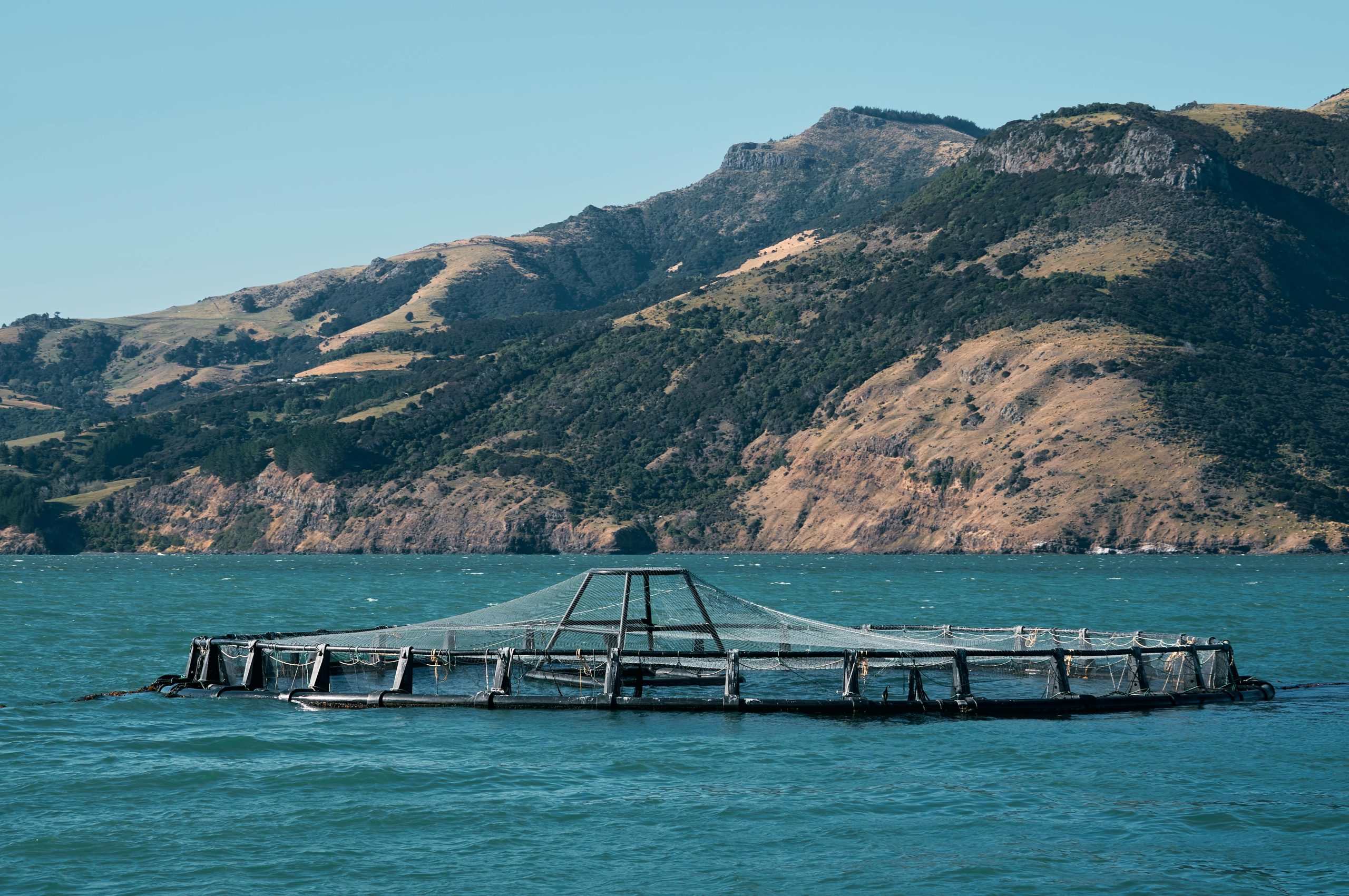
The “Promoting Small-Scale Aquaculture Sustainability in Southeast Mediterranean” program was successfully completed with the goal of enhancing sustainability and business development for small-scale aquaculture in the wider Southeast Mediterranean region. Through a comprehensive educational framework, the program aimed to support and empower producers from five countries: Egypt, Algeria, Lebanon, Morocco, and Tunisia. The participants were selected through an international competition and had the opportunity to engage in a series of educational activities combining theory with practical application.

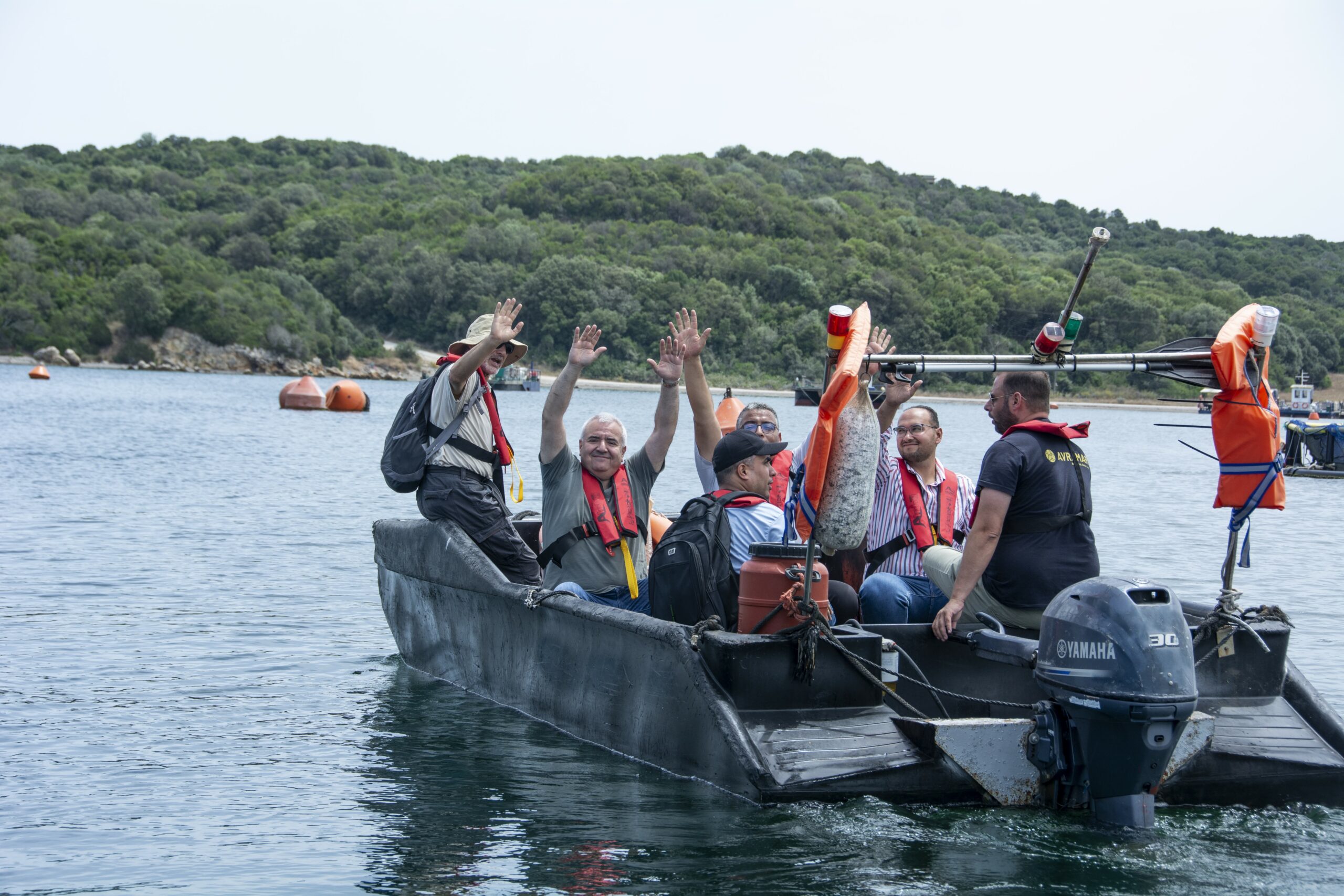
The training program included an intensive ten-day workshop held in Greece, where participants were trained on key topics such as innovation, business development, technological trends, and sustainability. By attending educational seminars and visiting model aquaculture units, participants gained new knowledge and skills to improve their businesses. The program also provided 100 hours of personalized consulting from industry experts to ensure the practical implementation of these skills and foster the sustainable development of their enterprises.

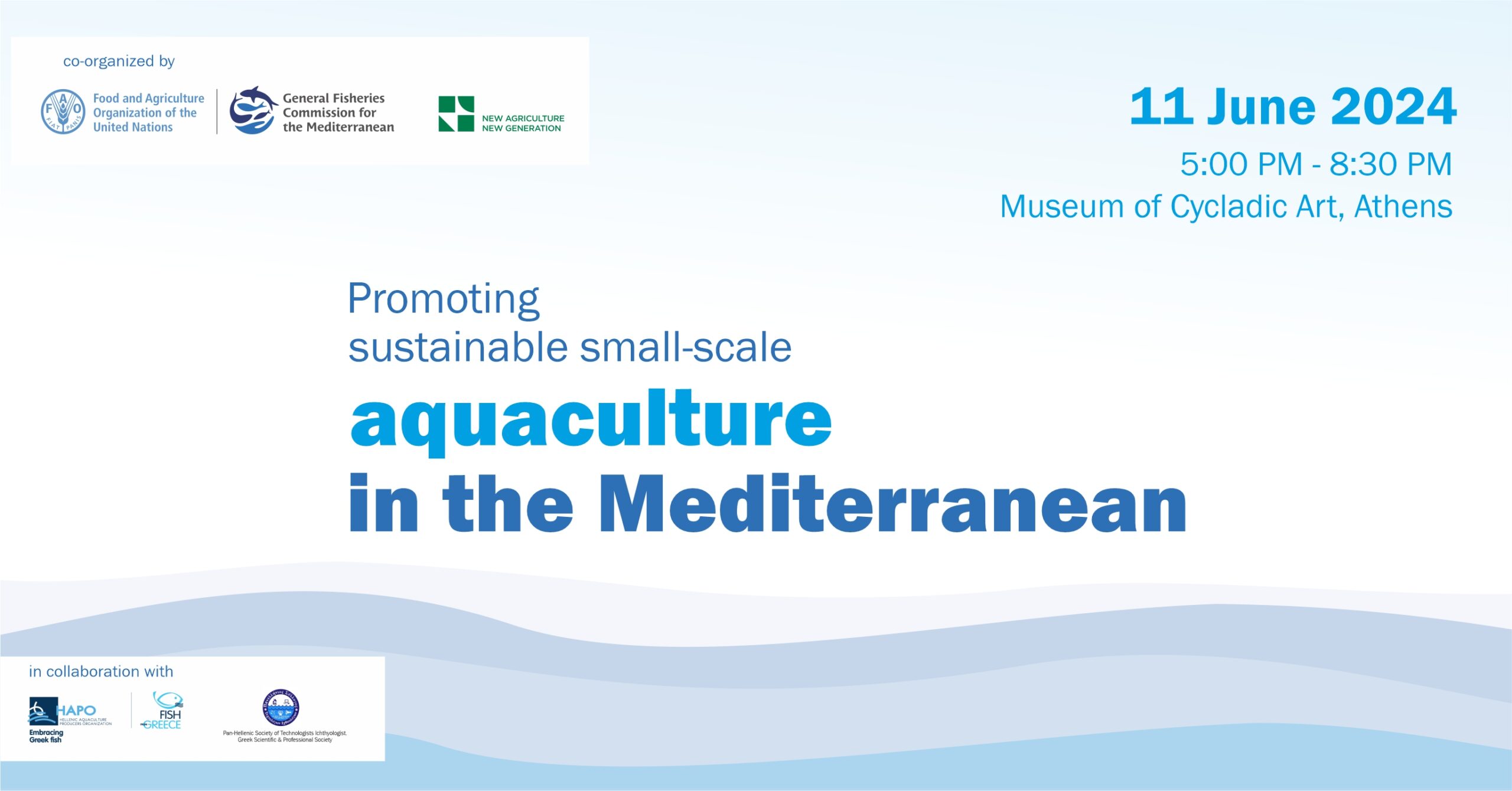
The inaugural event for the program was held at the Museum of Cycladic Art in Athens, attracting international attention from the aquaculture sector. The event was opened by prominent figures, including Maria Damanaki, former European Commissioner for Maritime Affairs and Fisheries, Houssam Hamza from the General Fisheries Commission for the Mediterranean (GFCM), and Effie Lazaridou, CEO, NANG.

The speakers emphasized the vital role of small-scale aquaculture in the Mediterranean diet, food security, and environmental footprint reduction. They also highlighted the need for support and modernization in the sector through new technologies and sustainability practices, enabling small businesses to remain competitive in an evolving market.

The program not only contributed to skills development but also strengthened collaborations between research institutions, professionals, and international organizations. Greece’s selection as the central hub for implementing this important initiative underscores the country’s leading role in aquaculture and the promotion of sustainable food production from aquatic ecosystems.

Detailed Benefits

Its goal was to strengthen the sustainable development of small-scale aquaculture producers in the southeastern Mediterranean — namely in Algeria, Egypt, Lebanon, Morocco and Tunisia.

More specifically:

  • The participants were selected through an open call based on sustainability criteria.

  • They received training in entrepreneurship, marketing and management.

  • They attended intensive workshops and seminars in Greece on:

    • strategy, innovation and sustainability,

    • technological trends, marketing and sales.

  • They participated in field visits to Greek aquaculture farms, hydroponic units and research laboratories, in order to become familiar with Greek expertise in the sector.

  • They will also receive tailor-made coaching in their home countries to apply what they have learned.

Programme Benefits

For the participants

  • Development of skills in entrepreneurship, management and marketing.

  • Exchange of experiences and best practices with other Mediterranean producers.

  • Exposure to Greek know-how in innovative and sustainable aquaculture.

  • Incentives for new investments, such as:

    • creation of recirculating aquaculture systems,

    • cultivation of new species (e.g. red seabream),

    • development of products such as spirulina and algae,

    • expansion into international markets.

  • Strengthening of collaborations and creation of a regional professional network.

For the sector and the region

  • Reinforcement of sustainable small-scale aquaculture as part of Mediterranean heritage.

  • Contribution to the GFCM 2030 Strategy and the FAO Blue Transformation vision.

  • Support for the United Nations Sustainable Development Goals (SDGs), particularly in relation to:

    • food security and the production of high-protein foods,

    • job creation,

    • income diversification and the empowerment of women.

Watch the programme’s summary video.

Article from FAO

Agrologistics

The Greek Agri-Food Supply Chain

Increased competition, the need to differentiate Greek agricultural products, and the obligations to comply with hygiene standards and certifications require the immediate reorganization of the agricultural supply chain in our country. This reorganization can serve as a lever for the development of the primary sector.

Additionally, due to the added challenges globally posed by the pandemic, it is imperative to study and reshape the Agrologistics sector to make the supply chain sustainable, enhance farmers’ income, ensure food security, and reduce the environmental footprint.

Research on Agrologistics in Greece

The organization “New Agriculture New Generation” has undertaken the initiative to conduct a study on the agri-food supply chain (agrologistics) in collaboration with the National Center for Research and Technological Development (EKETA), the University of Piraeus Research Center (KEPP), the Institute of Port Training “Exantas,” and the Center for Advanced Infrastructure and Technology (CAIT) at Rutgers University, USA.

The recent study analyzes the current state of the agri-food supply chain in our country and highlights the needs and prospects of the sector.

You can read the related study here.

Agrologistics Conference

The organization “New Agriculture New Generation” is organizing an online conference titled: “Agrologistics: Challenges & Prospects in Greece” in collaboration with the National Center for Research and Technological Development (EKETA), the University of Piraeus Research Center (KEPP), the Institute of Port Training “Exantas,” and the Center for Advanced Infrastructure and Transportation (CAIT) at Rutgers University, USA.

This online conference will take place on June 7, 2021 (16:30 – 18:30) on the occasion of presenting the conclusions of a relevant study on the Greek agri-food supply chain conducted by the aforementioned bodies.

The conference will present the conclusions of the study and highlight new developments, best practices, and challenges in the sector, both in Greece and abroad. It will also serve as a platform to discuss the prospects of reorganization and development of the agri-food supply chain as well as the existing needs for training and education in the field.

The conference will feature the study contributors as well as high-ranking officials and experts from leading institutions and organizations in Greece and abroad, such as the Foreign Agricultural Service of the U.S. Department of Agriculture (FAS/USDA), the Stavros Niarchos Foundation, Rutgers University, the U.S. Embassy in Greece, and others.

After the Storm: Steps for Reconstructing the Agri-Food Sector of Thessaly in the Wake of “Daniel”

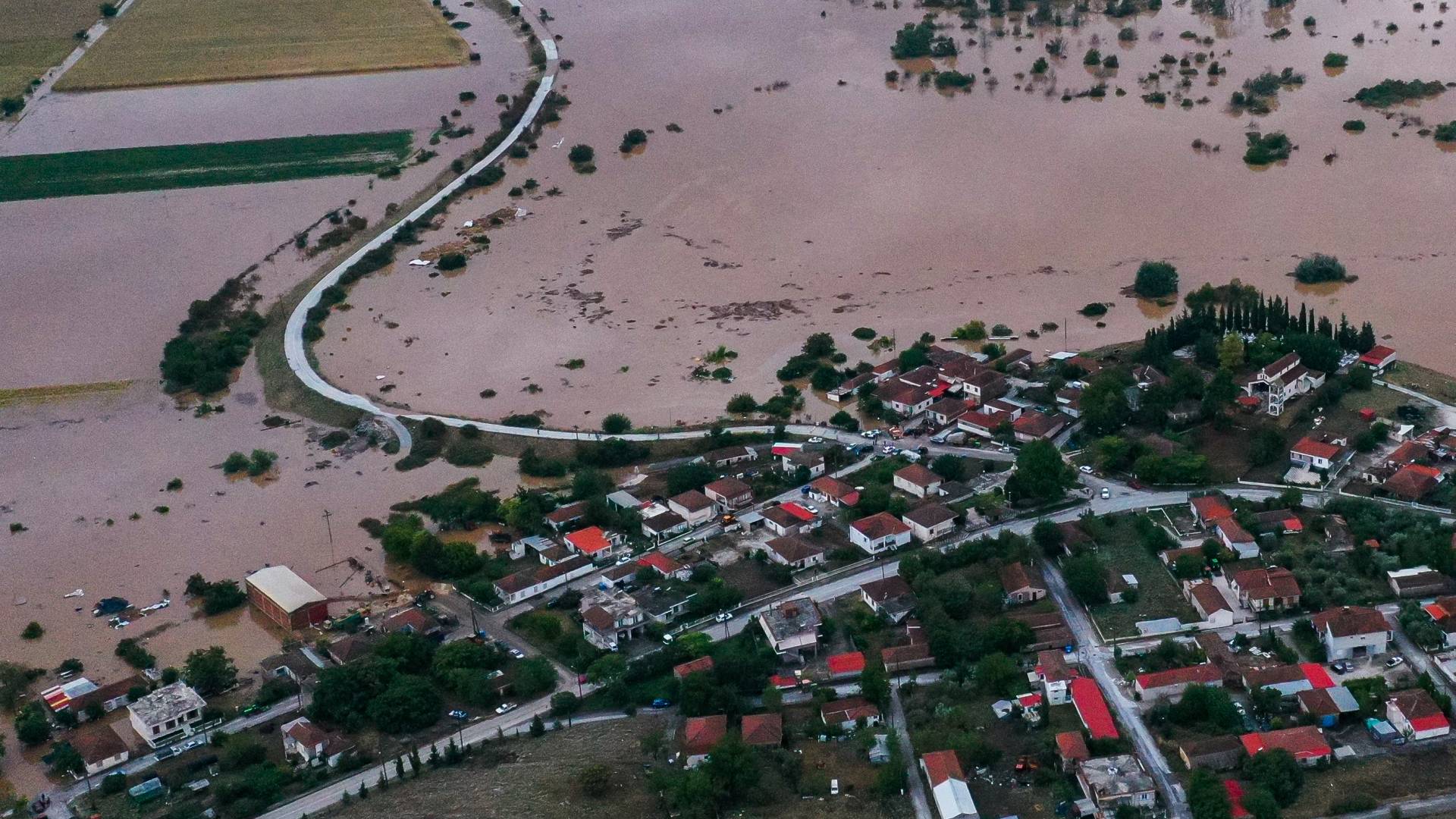
The dramatic impacts of storm “Daniel” in Thessaly, the heart of rural Greece, was an event that truly shocked our country. “Daniel” caused unprecedented destruction to infrastructure, crops, and the properties of the area’s residents, who are essentially called upon to rebuild their lives from scratch.

New Agriculture New Generation, having strong ties with the people of the agrifood sector, as part of a series of initiatives to support those affected, issued an invitation to its network of partners to participate in the collective publication titled: After the Storm: Steps for Reconstructing the Agri-Food Sector of Thessaly in the Wake of “Daniel”.

Our goal is for this publication to serve as a platform for leaders, experts, and professionals in the sector to share their proposals regarding the necessary actions that need to be taken to rebuild the productive fabric of the Thessalian plain and set it on a path to recovery.

This document does not replace the studies and research that need to be conducted. However, it provides directions and significant ideas that can be utilized.

After the Storm: Steps for Reconstructing the Agri-Food Sector of Thessaly in the Wake of “Daniel” (pdf in Greek)