Νέα Γεωργία Νέα Γενιά

Why leadership is needed in the greek agrifood sector

Written by Dimitris Voloudakis, General Director of Programs at the organization New Agriculture New Generation and Head of the Agrifood Leadership program.

It is no secret that the Greek agrifood sector is at a turning point. On one hand, it possesses comparative advantages: world-renowned products, fertile land, and the cultural heritage of the Mediterranean diet. On the other, it suffers from chronic weaknesses: small farm sizes, limited extroversion, and a lack of synergies.

To this “puzzle,” we must also add technological advances, climate change, the unstable international economic and political environment, as well as the growing demand for natural, healthy, and innovative agrifood products.

I firmly believe that the most important factor for an agricultural enterprise, a processing company, or a cooperative to meet these challenges is human capital. On the one hand, demographic pressure on the general population—but more so on the rural population—will significantly reduce the number of farmers over the next 15 to 20 years. On the other hand, new developments and modern trends require professionals with holistic knowledge, skills, and the ability to collaborate and lead.

Thus, the variables that will determine whether the Greek agrifood sector successfully addresses these challenges are many. However, the creation of professional leaders in the sector is a critical success factor.

These skills can be developed through education, research, and, of course, thanks to the personal commitment of the professional. Often—much more often than we think—those we consider “inspired leaders” are, in reality, people who have worked extremely hard and methodically to acquire the abilities they possess.

On a personal level, and having the responsibility of the only relevant educational program in Greece, I have witnessed firsthand the impact of education on leadership skills and abilities among professionals in the agrifood sector.

The characteristics that shape a leader in the sector

But what exactly are the characteristics that essentially shape a leader in this field?

  • A leader must have vision and strategic direction, the ability to look beyond day-to-day challenges and chart a long-term course.

  • They must innovate and integrate new technologies (smart farming, big data, biotechnology, artificial intelligence).

  • They need to invest in extroversion and branding, meaning they should be able to position their products in international markets with a strong identity and a coherent strategy.

  • Collaboration and networking are of critical importance. Leadership means bringing together producers, businesses, research centers, and society around a common vision.

  • There must, of course, be adaptability to challenges, especially in crisis management (climate change, market shifts), with flexibility and composure.

  • It is essential to have a sense of social and environmental responsibility, recognizing the need for ethical and sustainable practices in their work, with respect for the environment and society.

  • And finally, they must invest in empowering their partners, through mentoring and education.

Of course, every leader—man or woman—is essentially unique, depending on their character and background, and combines these characteristics in their own effective way. What becomes clear, however, is that if we have a sufficient number of individuals in the agrifood sector who share many of the above traits, we will, in the long run, have a more sustainable, productive, and competitive ecosystem.

We need leaders who will transform the sector through their strategic choices, their collaborations, the initiatives they take, the synergies they develop, and, of course, by creating vision and inspiration for the “next day,” which will spread to all their partners.
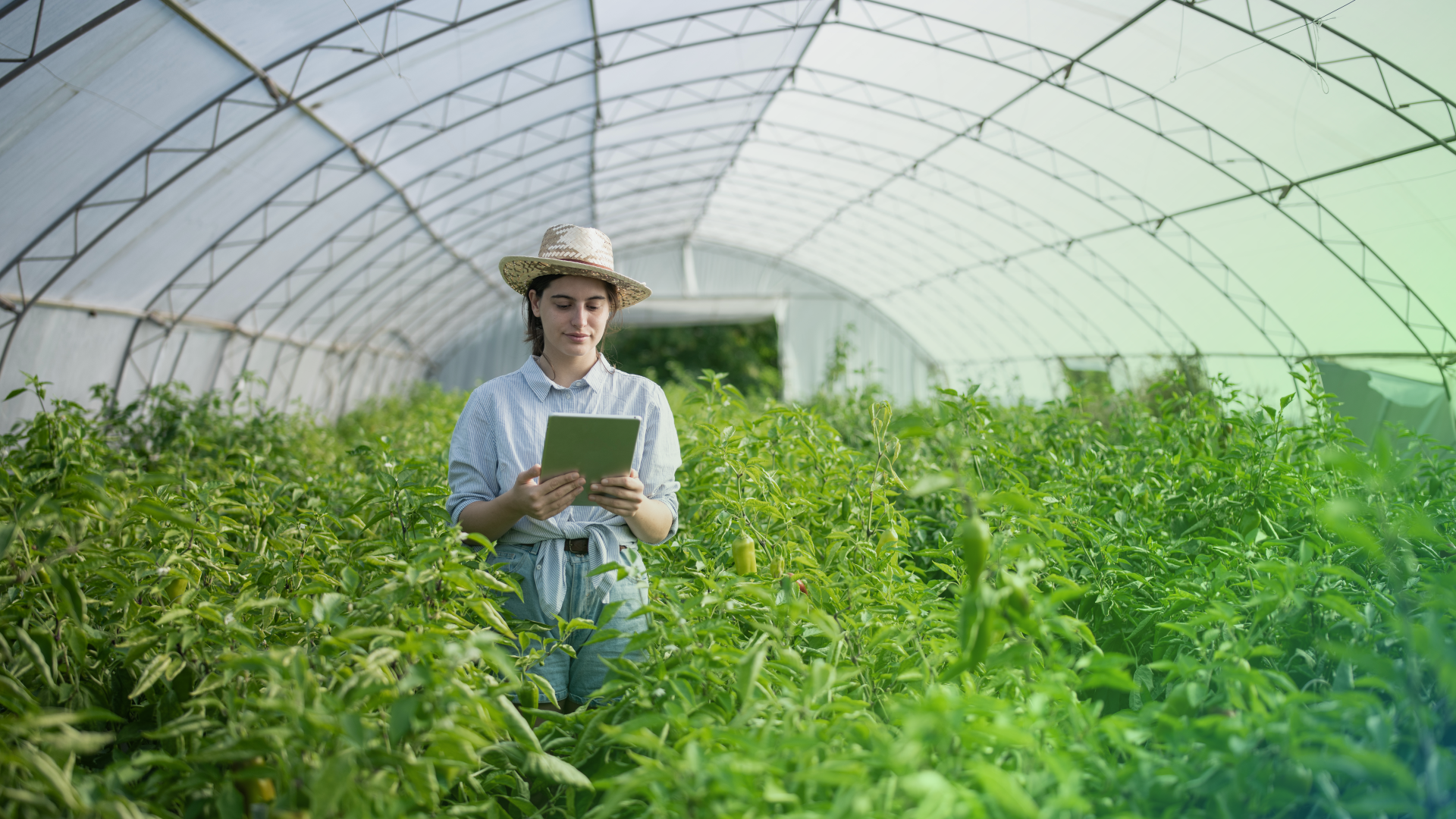
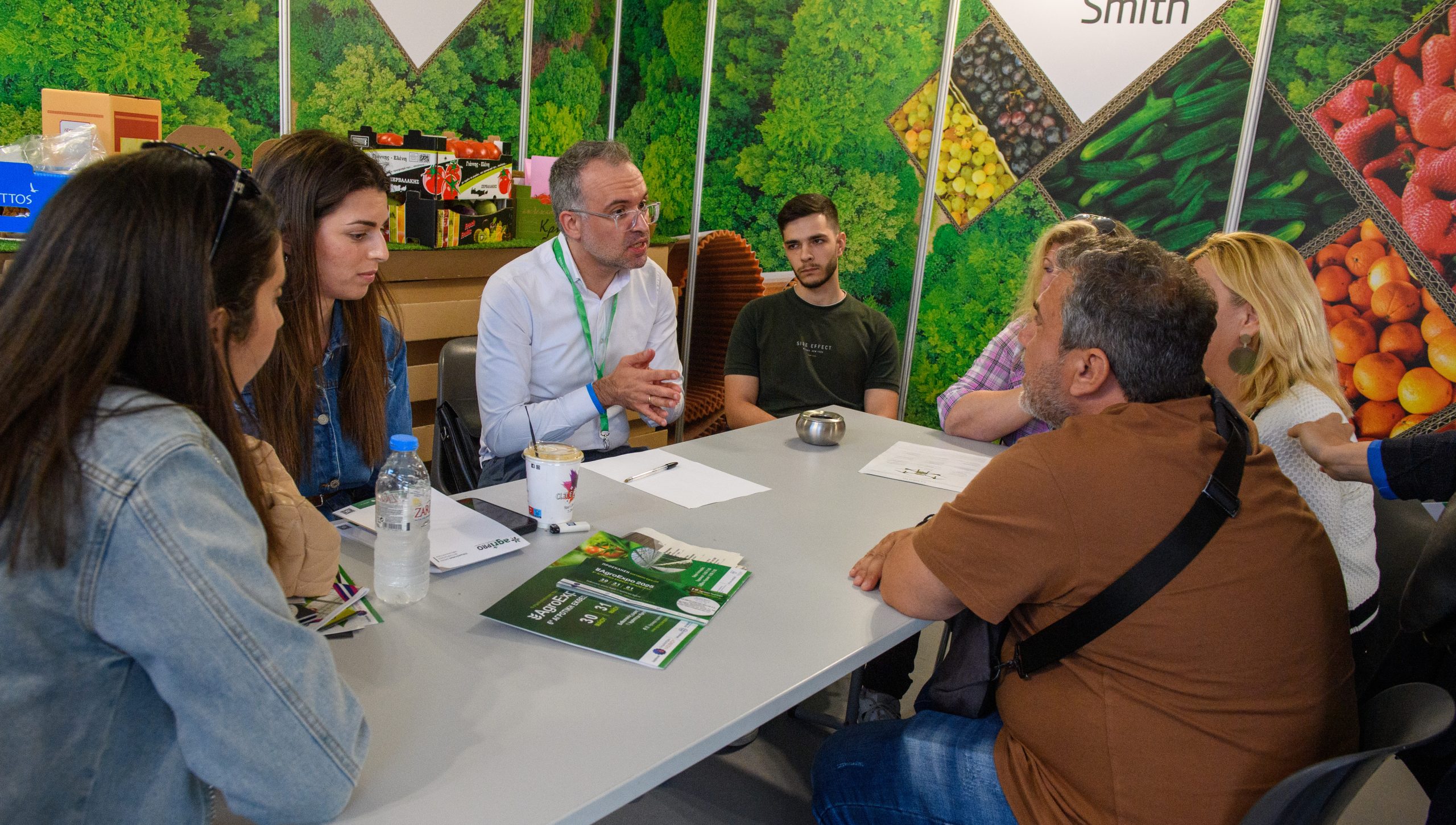
Under the auspices of the Ministry of Rural Development and Food for the 3rd consecutive year, the Agrifood Leadership program

The organization New Agriculture New Generation is pleased to announce that Agrifood Leadership 2025-2026, the first and only leadership program dedicated exclusively to the agrifood sector in Greece, is placed for the third consecutive year under the auspices of the Ministry of Rural Development and Food.

The renewal of this auspices constitutes an important recognition of the program’s contribution to developing new leadership executives for the country’s agrifood sector and further strengthens its institutional character.

Agrifood Leadership is implemented by New Agriculture New Generation, through the founding donation of the Stavros Niarchos Foundation (SNF), with Rutgers University (USA) serving as technical and strategic advisor.

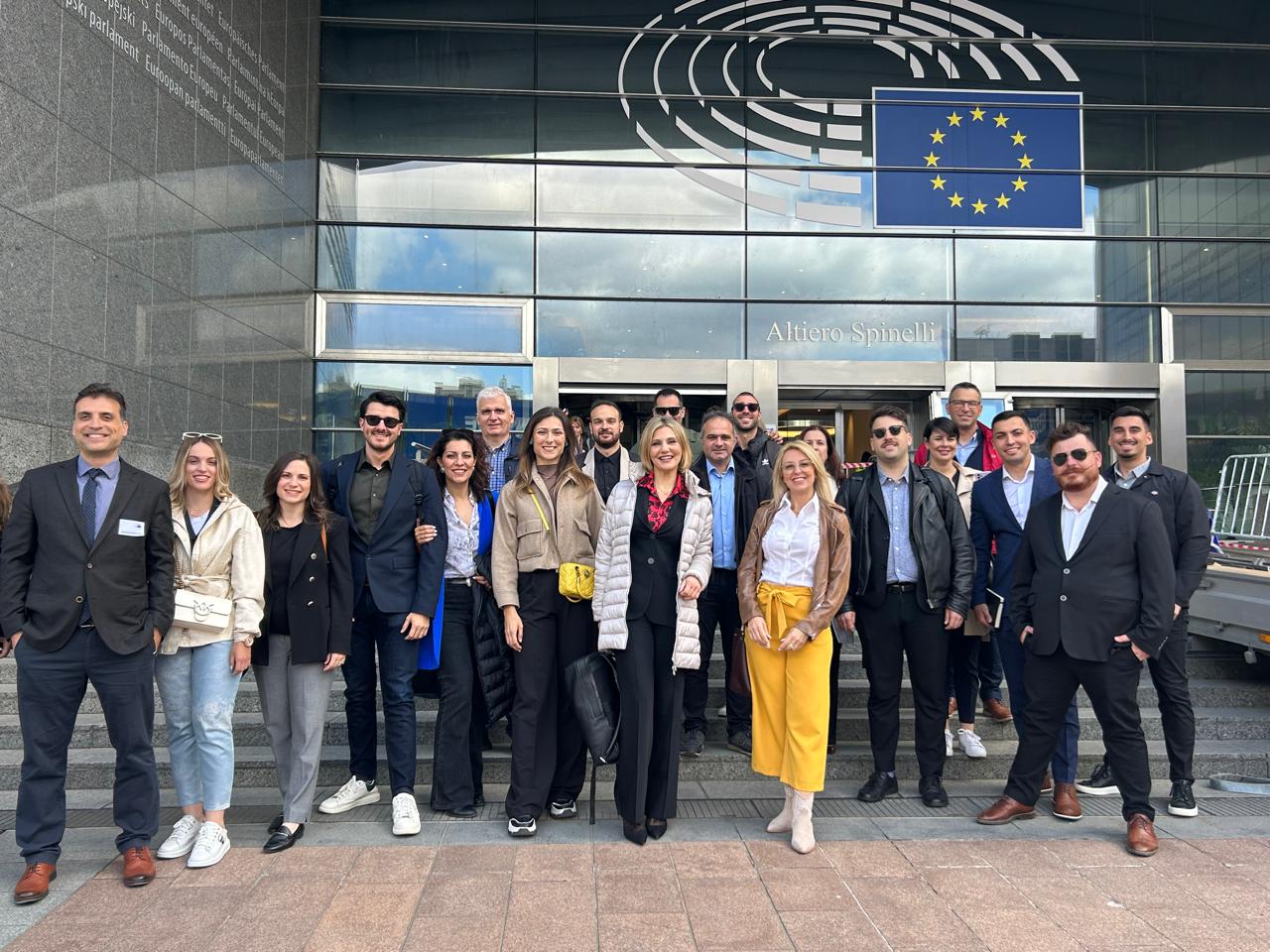
The program offers a unique educational experience, combining seven educational activities in different regions of Greece and in Brussels, as well as three online workshops. A total of 120 training hours, with an emphasis on experiential learning, innovation and practical application, cultivate essential leadership and communication skills—from strategic thinking and team management to negotiations, public speaking, storytelling and marketing.

At the same time, participants have the opportunity to connect with leading professionals and stakeholders of the agrifood ecosystem in Greece and abroad, while upon completion of the program they receive certification from ACTA – a spin-off of the Aristotle University of Thessaloniki. In addition, graduates become members of a vibrant and ever-expanding community of professionals that supports their career path in the sector.

Applications for Agrifood Leadership 2025-2026 will remain open until September 15, 2025! The number of spots is limited, and selection will be based on evaluation and interviews.

Learn more and apply at: https://agrifoodleadership.generationag.org

8th TrophyΤροφή Meet-Up in Korinthos

The 8th TrophyΤροφή Meet-Up, themed: “Innovative Solutions for the Transition to a Circular Bioeconomy – Eliminating Plastic Waste in Agriculture and Food Packaging“, will take place on Tuesday, October 14, 2025, at the Chamber of Korinthia.

New Agriculture New Generation has been organizing TrophyΤροφή since 2019, through the founding donation of the Stavros Niarchos Foundation (SNF). It has collaborated with most universities, research institutes, multinational companies, and VCs.

A unique opportunity for students, entrepreneurs, researchers, and professionals in the agri-food sector to network, exchange ideas, and get informed about digital transformation and precision agriculture.

Sponsor of the 8th TrophyΤροφή Meet-Up is DS SMITH. The event is implemented with the support of the Chamber of Korinthia.

Program:

17:00-17:10 | Welcome Remarks: Panagiotis Louziotis, President of the Chamber of Commerce of Corinthia

Representative of Local Government

Representative of DS Smith

17:10-17:20 | Presentation of TrophyΤροφή 2025 & Daily Agenda

17:20-17:40 | Presentation of Case Studies by DS Smith

17:40-18:10 | Panel Discussion: “Smart and Sustainable Food Packaging: Innovation Meets Entrepreneurship”

Participants:
Nikos Papavasileiou, Manager of the Cooperative “ENOSI KIATOU I.K.E.”

Markos Leggas, Appointed Advisor for European Programs & Innovation, Regional Councilor of Corinthia, Vice President of the Board of Agribator – Center for Innovation & Agrotechnology of Peloponnese

Anastasia Bravou, Agronomist, BRAVOS STAFYLIA STIMAGKAS S.A.

Konstantinos Xydis, SALAD FARM XYDIS K KOLOPASTAS D NEZIS K OE

Moderator: Fanis Kourebes, Agronomist, Member of the Board of the Geotechnical Chamber of Greece

18:10-18:15 | Q&A

18:15-18:30 | Break

18:30-19:00 | 2nd Panel Discussion: “Sustainable Packaging in Practice: Scientific Knowledge with Horizontal Application in the Market”

Participants:
Representative of the University of Peloponnese, School of Agriculture and Food

Representative of Practical SAEK Corinth – Agricultural School of Nemea

Dimitris Tsamparlis, Owner of “Gnisies Gefseis” (Authentic Flavors)

Representative of Mandrekas Dairy S.A.

Moderator: Dr. Anastasios Kampolis, Chemist, CheMa Laboratories

19:00-19:05 | Q&A

19:05-19:15 | Break

19:15-20:00 | Idea Generation Workshop

20:00-20:30 | Presentation of Ideas & Closing

Chios Mastiha in the Test of the 21st Century | Mastic trees: Ensuring the future of a national product – Knowledge transfer and innovation network in Chios

The cultivation of mastiha in southern Chios has endured for centuries — through wars, earthquakes, and wildfires. Today, however, it is challenged by modern pressures: the climate crisis, technological transition, the shortage of new farmers, and the need for sustainable practices.

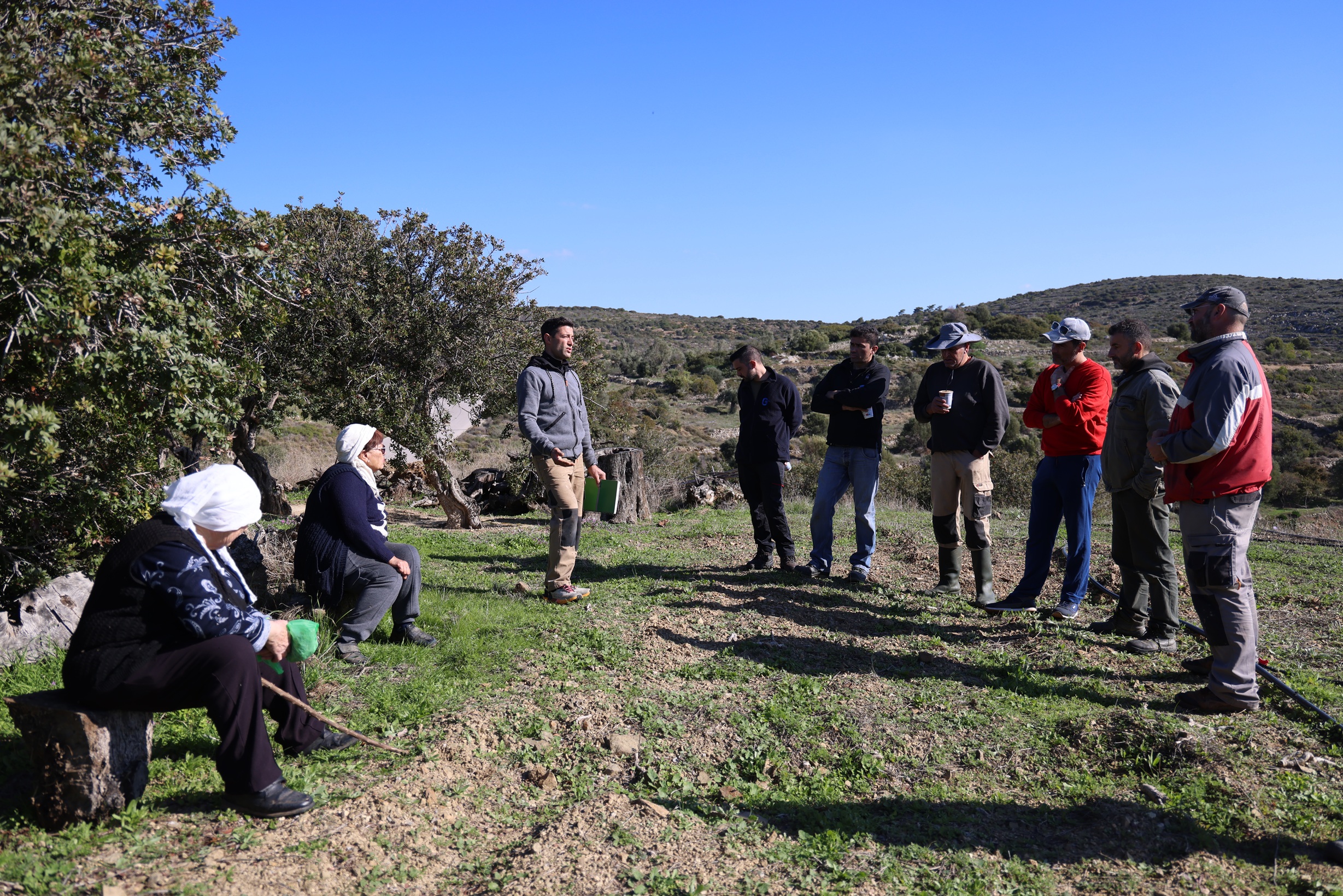
At this crossroads, a pioneering program is “born” — not in conference halls, but in the mastiha groves, alongside the producers. The program “Mastiha Trees: Safeguarding the Future of a National Product” provides a substantive, practical, and human-centered response, transferring knowledge from farmer to farmer, establishing for the first time a network of cooperation and innovation, and empowering the very communities that keep mastiha alive.

This is highlighted in an interview with the Athens-Macedonian News Agency (AMNA) by Stefanos Chatzilazarou, Associate Professor at the Department of Agriculture of Aristotle University of Thessaloniki (AUTh), and coordinator of the scientific team supporting the program.


Unprecedented Challenges of the 21st Century – What Is the Response?

The climate crisis, the demand for sustainable practices, technological change, economic uncertainty, the decline of the rural population, and the lack of succession in family farming threaten to break a centuries-old cycle of life, says Prof. Chatzilazarou. He adds that the pioneering program “Mastiha Trees: Safeguarding the Future of a National Product” offers a rare holistic response — not theoretical, but practical, rooted in the land, the people, and their real needs.


From Chios to All of Europe – A Model to Follow

The program, which has been extended until March 2026, is already considered a model of agricultural education and sustainable development. It has been recognized as a best practice by the Directorate-General for Agriculture of the European Commission (DG Agri) and was awarded at the Bravo Sustainability Awards, reflecting its impact.

The program is implemented by the New Agriculture New Generation Organization, in collaboration with the Laboratory of Floriculture of AUTh’s Department of Agriculture and the Chios Mastiha Growers Association (EMX). It is funded through the founding donation of the Stavros Niarchos Foundation (SNF), The Hellenic Initiative, and the Chios Mastiha Growers Association (EMX).

Key contributors to the project, according to Prof. Chatzilazarou, include: Dr. Stefanos Kostas, Emeritus Professor Athanasios Oikonomou (AUTh), Efi Lazaridou, Dr. Dimitris Voloudakis, Kalliopi Karaboiki (New Agriculture New Generation), Dr. Ilias Smyrnioudis, and Despina Anagnostou (EMX).


Farmer-to-Farmer Training: Knowledge Rooted in People

The focus of the program is not simply informing farmers, but empowering them through knowledge. Specifically, 24 young producers, aged 18–45, receive specialized training on the entire spectrum of mastiha cultivation and then go on to train their fellow villagers.

“This creates a dynamic knowledge network that is constantly reinforced, interacting and evolving,” notes Prof. Chatzilazarou, adding that so far more than 250 growers have participated actively, while the 24 trained producers act as multipliers of knowledge in the 24 mastihohoria (mastiha-producing villages). Farmers also relay observations and questions, which return as research and improvements from AUTh.

As producer Despina Vataki characteristically says:
“The program gives me the opportunity to actively contribute to spreading knowledge. As a group, we exchange views, discuss, reflect. A fertile ‘give and take’ is created that drives us only forward.”


The Chios of 24 Mastiha Villages: Agriculture, Culture, Society

Today in southern Chios, where mastiha trees stand still in time and shed their precious tears for centuries, more than 1,150,000 mastiha trees are cultivated across 20,000+ stremmata of farmland. Registered growers in the cooperative exceed 4,000, and cultivation remains a family affair with strong participation of women.

“Mastiha is deeply tied to the identity and the local society of Chios. It is not merely an economic activity — it is tradition, relationship, cohesion. The program recognizes and harnesses this dynamic,” emphasizes Prof. Chatzilazarou.


Mastiha Facing the Climate Crisis

Highlighting that the climate crisis is not a threat of the future but a present reality, Prof. Chatzilazarou notes that the floods of 2024 damaged both the quantity and quality of production. Fortunately, the wildfires of 2025 did not affect the mastiha trees, though they impact the microclimate of the region.

Although the tree is resilient to diseases and requires no pesticides, the program recommends — according to Prof. Chatzilazarou — adjustments in the kentima (incision technique) depending on weather conditions, research into genotypes adapted to the new environment, and continuous farmer updates through a digital platform.


From the Past to the Future – Can Mastiha Endure?

“The answer is clearly yes — but not without evolution,” says Prof. Chatzilazarou. He notes that mastiha cultivation is already included in the UNESCO Intangible Cultural Heritage, in the EU’s sustainable agriculture strategy, and in modern business interest for natural, certified products.

“The program acts as a bridge between the traditional way and the demanding environment of our era,” he stresses.


Agricultural Education That Changes Lives – Women and Youth: The New Strength of the Mastiha Villages

Participation in the program transforms the role of young producers. It teaches them why they do what they had learned empirically, turns them into carriers of knowledge, connects them with scientific support networks, and provides professional identity and self-confidence.

Moreover, women have an active and equal role in mastiha cultivation and processing, and “the program supports, educates, and inspires them,” he underlines.

At the same time, young producers are returning from urban centers to invest in a crop that is beginning to show both financial and qualitative returns. According to Prof. Chatzilazarou, prices are rising, demand is steady, and knowledge is now a vital tool.


Mastiha in Medicine, Cosmetics, Gastronomy

The expansion of mastiha uses (pharmaceutical, cosmetic, nutritional) adds value and export potential: wound healing, anti-inflammatory and antimicrobial action, oral hygiene products, cosmetics, and natural supplements.

“The uniqueness of Chios mastiha makes it one of the most authentic and competitive products of the Mediterranean,” he notes.


From Tradition to Global Innovation

The program “Mastiha Trees” is not just a subsidized initiative. It is a living community of people, scientists, producers, and institutions proving daily that tradition and innovation can coexist.

“As for centuries past, so today, mastiha cultivation will continue dynamically in the southern part of Chios, offering us its precious tears and filling us with its taste and aroma,” concludes Prof. Chatzilazarou.


Elena Alexiadou

Photographs were provided to AMNA by Stefanos Chatzilazarou.

Source: ΑΠΕ-ΜΠΕ

Aspasia Pastrikou: From London to Kos and the cultivation of tropical fruits and herbs

The Idea of Cooperative Cultivation That Won an Entrepreneurship Award

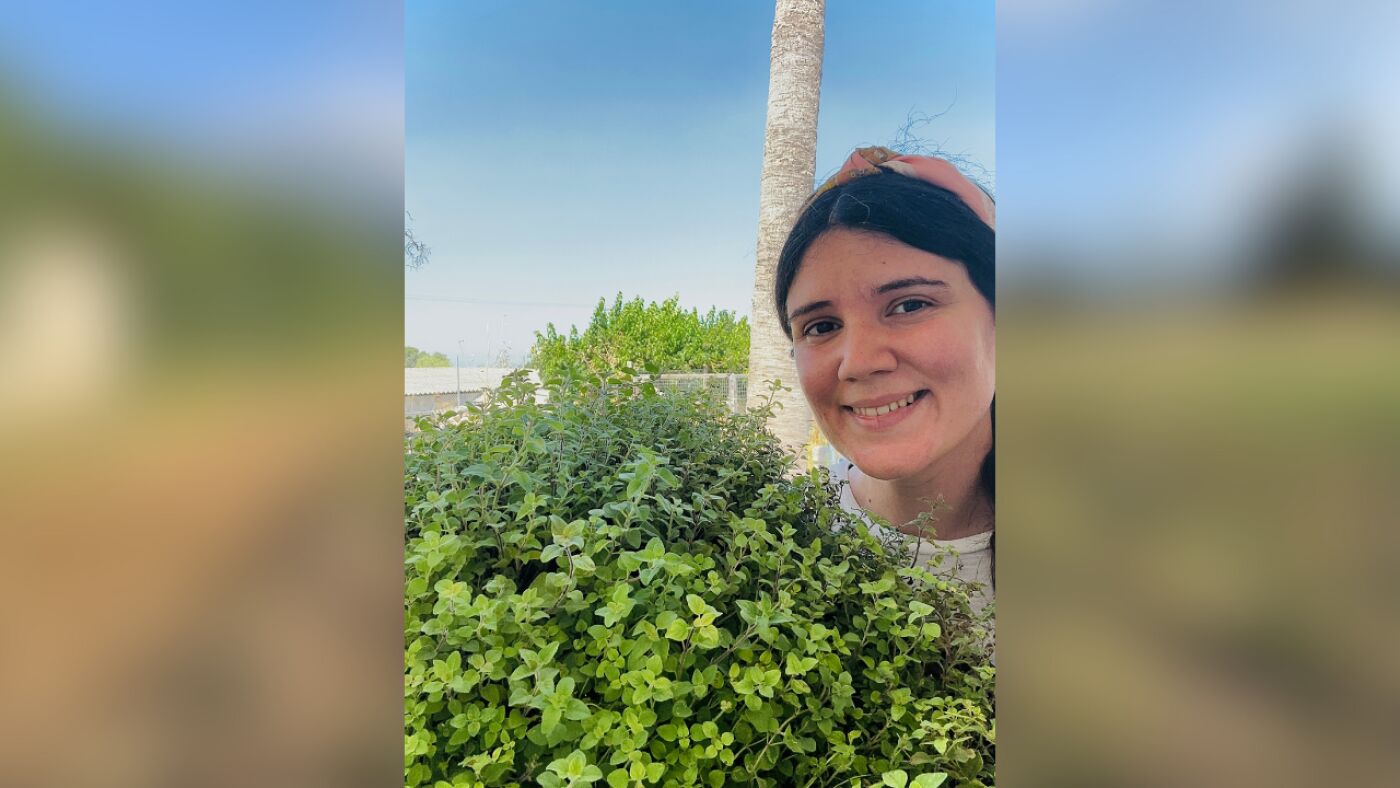
Tropical fruits from… Kos and herbs like oregano, thyme, and sage mark the beginning of Aspasia Pastrikou’s journey in the agricultural sector. Leaving behind life abroad, she returned to her birthplace, Kos, in 2021 to experience what life on the island is like.

In 2024, she made the decision to get involved in product cultivation, and today she has achieved her first small production of herbs. She estimates that by March 2025, the packaging of her products under the brand name “Votanima” will be ready.

“I studied mechanical engineering and lived in the UK for eight years, working for major companies. Then I returned to Greece, where I also worked in a large company in my field. However, in 2021, I decided to return to Kos. There, I realized that the entire lifestyle of the residents revolves around tourism. That gave me the first push to do something different,” Aspasia told Ypaithros Chora.

While trying to find her footing on the island, she created a small vegetable garden for personal use. “This process—watching a seed turn into food—enchanted me, and that’s when the idea of cultivation started to take root in my mind. At the same time, I came across Piraeus Bank’s Equal program for women in agri-food, which I joined. There, we had a lesson on aromatic plants, and I thought: I’m on the island of Hippocrates, and we don’t have our own herbs. So I decided to explore it further, and that’s how I got started,” she explained.

She connected with people who had previously attempted herb cultivation on the island but had discontinued due to other obligations, and she took over their fields. She also made use of her family’s available land.

With roots in Australia, which she has visited many times, Aspasia was inspired to experiment with tropical fruit cultivation in Kos. As she explains, “I thought about how the climate is changing due to global warming, and we need to adapt and try new crops that might benefit from these changes. Having memories of fruits like mango from Australia, I decided to give it a try. So far, the crops are doing very well. They withstood the winter without any issues.”

Currently, she is cultivating 13 different types of tropical fruits. Some of these include mango, papaya, pineapple, lychee, star fruit, passion fruit, two different types of guava, and dragon fruit. “There are also other producers in Kos growing these kinds of fruits, so that’s a good sign—it shows these products can thrive not just in Kos, but in the Dodecanese region in general.”

Cooperative Cultivation

At present, Aspasia is still designing her business plan. As she explains, “This year, I had my first small harvest of herbs. I’m constantly studying and learning, since I don’t have an agricultural background. I expect the packaging to be ready by March 2025.”

She also received support through her participation in the AgroAnelixi program of New Agriculture New Generation, as well as from the EWA (Empowering Women in Agrifood) program organized by EIT Food. In the latter, she won second place and a €5,000 prize.

“This distinction made me feel more confident about my business and the idea of implementing the method of cooperative cultivation, which is based on regenerative agriculture and agroforestry. From the research I’ve done, it seems well-suited to both the region and the types of crops I want to combine, since it’s applied where there is both low and high vegetation.”

Future Plans

Aspasia’s upcoming plans include expanding her herb cultivation and, in the short term, setting up her own workshop. Finally, with the prize money from the EWA competition, she plans to invest in precision agriculture, specifically in soil sensors. As she emphasizes, “Temperature and humidity play a very important role. Water is precious, so I want to monitor what goes into the field to ensure it’s only what’s necessary—nothing more.”

Source: ypaithros.gr

Extension of the Program “Mastic trees: Ensuring the future of a national product – Knowledge transfer and innovation network in Chios” Until March 2026

The organization New Agriculture New Generation announces the extension of the successful program “Mastic trees: Ensuring the future of a national product – Knowledge transfer and innovation network in Chios”, the first Knowledge and Innovation Transfer Network in Chios, until March 2026. This extension further strengthens efforts to ensure the sustainability, protection, and promotion of mastiha cultivation on the island.

To date, more than 250 mastiha producers have participated in the first organized network for knowledge and innovation transfer concerning mastiha cultivation in Chios. They have received training from specialized scientists, as well as from a group of 24 specially trained mastiha producers (farmer-to-farmer training) on technical subjects and cultivation practices.

The devastating impact of the floods that hit the island in September 2024 highlighted the need to extend the program and strengthen the support provided to local producers.

The extension of the program was made possible thanks to the support of The Hellenic Initiative (THI). THI is the only global nonprofit organization that unites Greeks around the world through philanthropy, investing in Greece’s future. Since its establishment, THI has raised more than $38 million and has become the largest organization of the Greek Diaspora globally. Its core mission is to promote sustainable development and entrepreneurship in Greece, which is why it supports the continuation of this program’s activities.

The “Mastic trees: Ensuring the future of a national product” program has already been recognized as a European best practice by the Directorate-General for Agriculture and Rural Development (DG Agri) of the European Commission and has received an award at the Bravo Sustainability Awards. The program continues its dynamic course, aiming to transfer knowledge, strengthen producers, and create a sustainable future for one of Greece’s most iconic products.

The program is designed and implemented in collaboration with the Laboratory of Floriculture of the School of Agriculture at the Aristotle University of Thessaloniki, and the Chios Mastiha Growers Association. The scientific team includes numerous experienced university professors, coordinated by Associate Professor Mr. Stefanos Chatzilazarou.

The program is co-funded by New Agriculture New Generation through the founding donation of the Stavros Niarchos Foundation (SNF), The Hellenic Initiative and the Chios Mastiha Growers Association.

More information: https://newagri.org/en/lines-of-action/mastichodentra-diasfalizontas-to-mellon-enos-ethnikou-proiontos/

The Socioeconomic Impact of New Agriculture New Generation: A Steady Contribution to the Transformation of the Agrifood Sector

The essential role of the organization New Agriculture New Generation in supporting Greek agrifood is highlighted by the Independent Socioeconomic Impact and Performance Evaluation Reports conducted by BDO and Deloitte for the period 2018–2024.

Six Years of Tangible Support to the Agrifood Sector

From 2018 to 2024, the organization’s actions had a direct and indirect positive impact on over 31,000 beneficiaries and professionals in the agrifood sector, with a satisfaction rate reaching 86%. It is noteworthy that in 2024, 44% of participants in its programs were women, actively promoting female participation and empowerment in the agrifood sector.

Multiplier Value for the Greek Economy

The estimated total contribution of the organization to the Greek economy for the period 2018–2023 reaches 40 million euros, of which:

  • €21.4 million came from the organization’s direct activities.

  • €18.6 million were generated by the initiatives and actions of the beneficiaries themselves.

In 2023, for every €1 invested by the organization, €5.35 of value was generated in the real economy.

Measurable Social and Economic Impact

During the period 2018–2023:

  • 63% of beneficiaries introduced new production and technical processes.

  • 80% improved their production and technical capacities.

  • 37% of entrepreneurial or self-employed beneficiaries improved their efficiency and increased their profit margins.

  • 25% invested in the development of new products.

  • 64% of unemployed beneficiaries now have stable employment or started their own business.

  • 36% of entrepreneurial or self-employed beneficiaries reduced their environmental footprint (2020–2023).

  • The organization’s activities indirectly support 135 jobs annually.

  • 486 new jobs were created by the businesses of the beneficiaries.

For a quick overview of our results, watch the videographic here: https://www.youtube.com/watch?v=-5TsQdvooB0

Founding Donor of New Agriculture New Generation is the Stavros Niarchos Foundation (SNF), which remains the main supporter of the organization, actively funding most of its programs.

Strategic and technical partner: Rutgers University

New Agriculture New Generation continues to work with consistency and transparency in supporting the sector by designing and implementing targeted actions and initiatives.

Applications Now Open for the Agrifood Leadership 2025-2026 Program by New Agriculture New Generation

New Agriculture New Generation announces the opening of applications for the new cycle of Agrifood Leadership, the first and only leadership program exclusively dedicated to the agrifood sector in Greece. Now in its third consecutive year, the program targets dynamic and active professionals, executives, and entrepreneurs in the sector who aspire to become the future leaders of agrifood in Greece.

The program is implemented by New Agriculture New Generation through the founding donation of the Stavros Niarchos Foundation (SNF). Its technical and strategic advisor is Rutgers University, USA.

Agrifood Leadership 2025-2026 offers a unique educational experience, combining seven in-person training activities across different regions of Greece and Brussels, along with three online workshops. Through this “road trip of knowledge,” participants will complete a total of 102 hours of training focused on experiential learning, innovation, and practical application. The program centers on the development of leadership and communication skills, such as strategic thinking, team management, negotiation, public speaking, storytelling, marketing, and modern organizational methods — providing essential tools for today’s job market and entrepreneurship.

At the same time, the program offers meaningful networking opportunities with leading professionals and organizations in the Greek and international agrifood ecosystem, along with certification from ACTA – a spin-off of the Aristotle University of Thessaloniki. Graduates automatically join a vibrant and ever-growing network of professionals, enhancing their career path and industry connections.

Applications for the 2025-2026 cycle are now open! The number of available places is limited, and final participant selection will be based on evaluations and interviews.

Apply now at https://agrifoodleadership.generationag.org

Don’t miss the chance to become part of the new generation of leaders who will shape the future of agrifood in Greece!

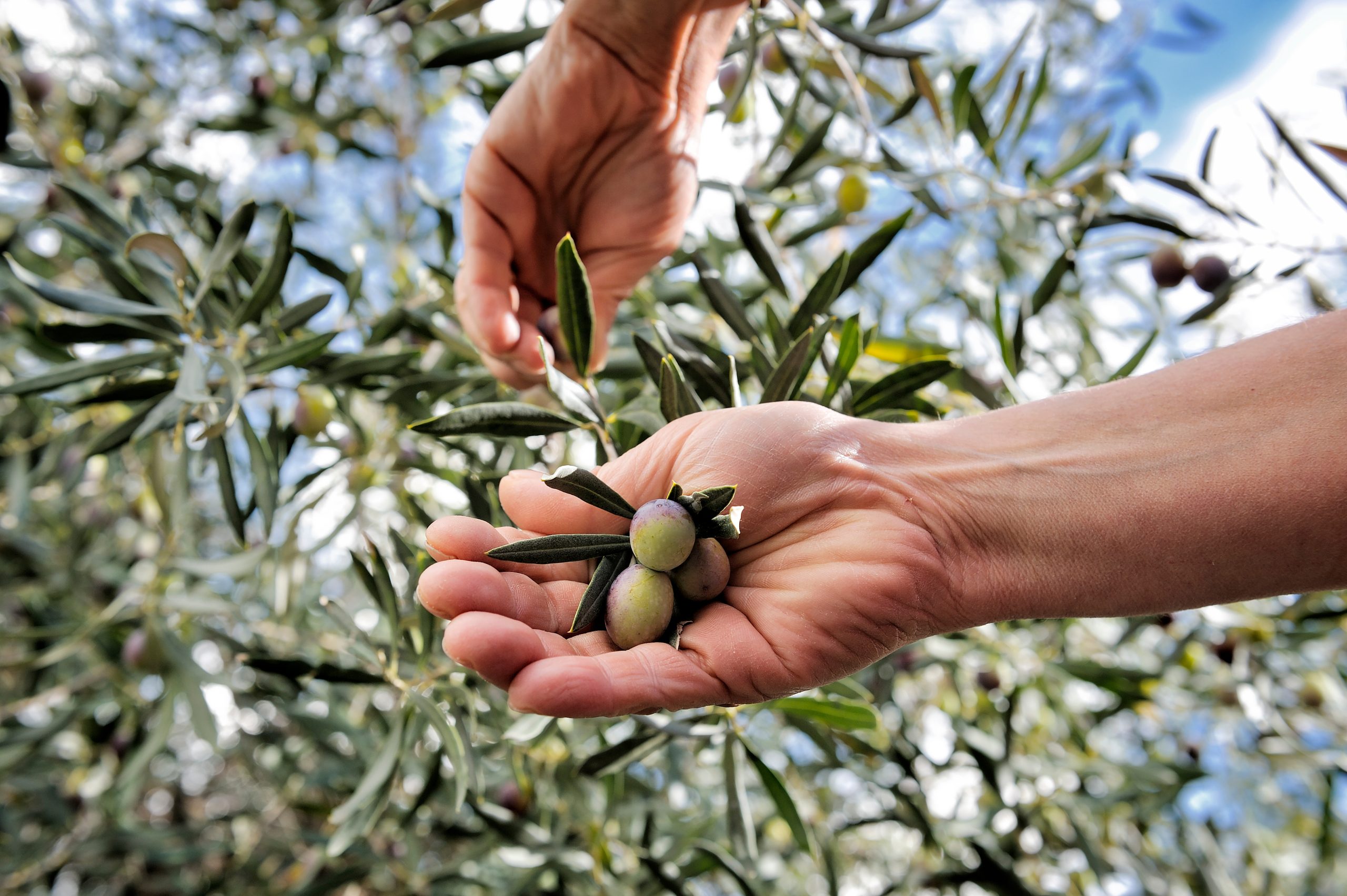
The Practical Olive Growing Guide is now available for free – A valuable tool for olive growers!

New Agriculture New Generation, through the founding donation of the Stavros Niarchos Foundation (SNF) and in collaboration with the Municipality of North Kynouria and the Chamber of Arcadia, presents the Practical Olive Growing Guide—a modern, user-friendly and free support tool for all olive growers.

The Guide was created as part of the Open Olive Oil Academy, which was implemented in 2024 in the region of North Kynouria, aiming to strengthen the olive sector by transferring know-how and training professionals in the area.

What does the Guide include?
The Practical Olive Growing Guide contains essential theoretical information and, most importantly, practical advice on olive tree cultivation and olive oil production, aiming to improve the quality and yield of crops. It was compiled by an interdisciplinary team of experts and can be immediately used by any professional in the field. It aims to boost olive production by combining experiential and scientific knowledge.

How to get it?
The Guide is available for free (in Greek) and can be downloaded digitally through the organization’s website HERE.

Practical Olive Growing Guide

Practical Olive Growing Guide

Everything you need to know about modern olive cultivation – in one guide!

The Practical Olive Growing Guide was created as part of the Open Olive Oil Academy, implemented in 2024 by New Agriculture New Generation, through the founding donation of the Stavros Niarchos Foundation (SNF), and in collaboration with the Municipality of North Kynouria and the Chamber of Arcadia.

What will you find in the Guide?

· Practical advice on olive cultivation
· Essential knowledge about the tree, soil, diseases, irrigation, and olive oil production
· A valuable reference tool for every modern olive grower
· Recommendations based on scientific evidence and hands-on experience

The Guide is the result of the work of an interdisciplinary team of experts and can stand alone—whether you’re a beginner or an experienced olive grower.

Download the Guide (in Greek) for free and improve your cultivation practices!