Νέα Γεωργία Νέα Γενιά

Agroanelixi – Farmers of the Future: Results for the 2020–2025 Period

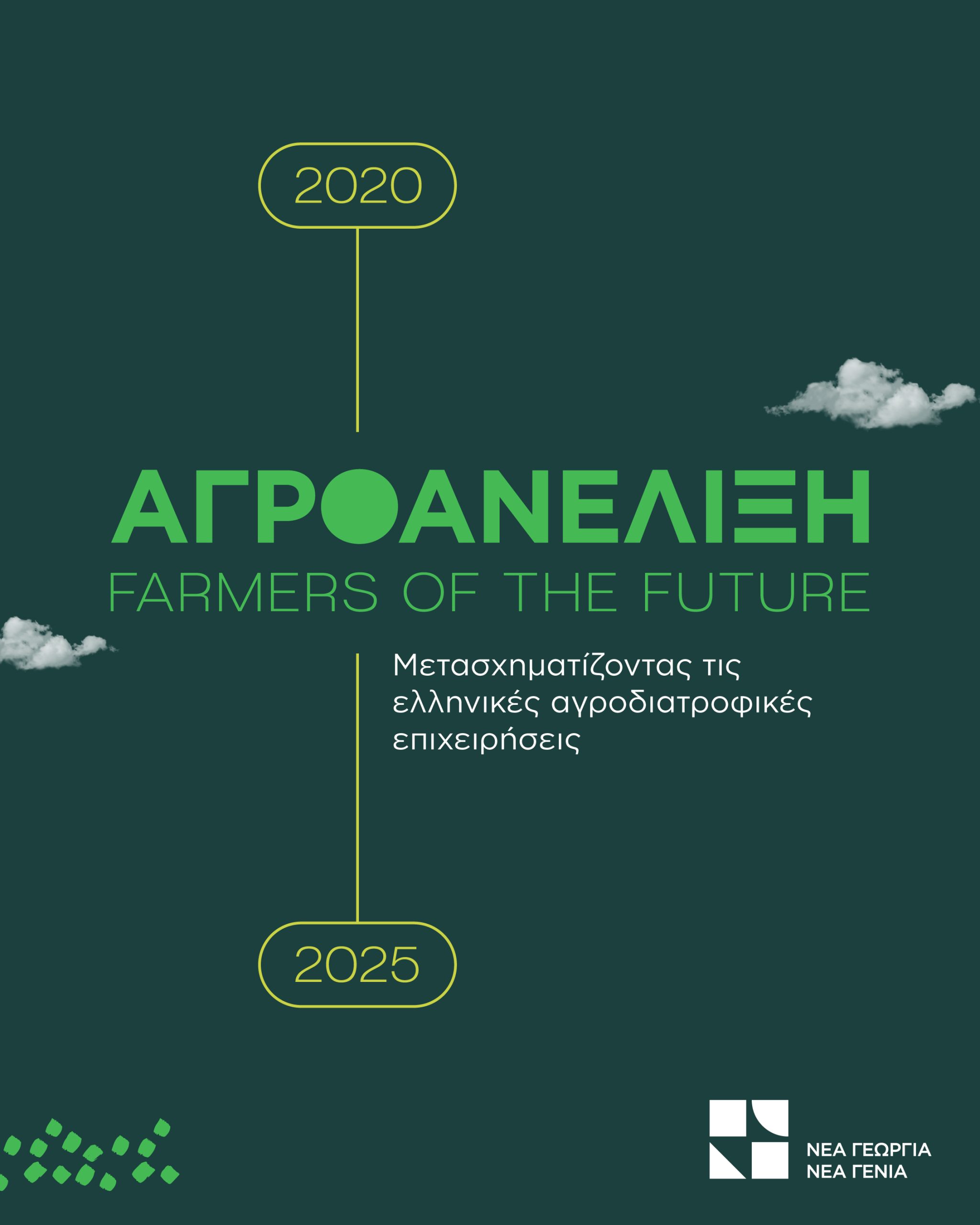
Agroanelixi – Farmers of the Future 2020–2025

The business accelerator “Agroanelixi – Farmers of the Future”, implemented by New Agriculture New Generation, completed a significant cycle of activity during the period 2020–2025, supporting the development of the next generation of agri-food businesses across Greece.

Through a comprehensive framework of training, tailored consulting, and hands-on guidance, the program supported producers and entrepreneurs in improving their products, developing new business activities, and strengthening their presence in both domestic and international markets.

The program is addressed to farmers, livestock producers, beekeepers, producer groups, cooperatives, and small processing businesses seeking to develop higher value-added products with stronger commercial potential.

Results for the 2020–2025 period

During the 2020–2025 period, the program achieved the following results:

• 100 agri-food professionals received business support
• 90 new or improved agri-food products were developed
• 80 on-site visits were conducted in production units across 34 regional units in Greece
• 9 new business collaborations were established among participating enterprises
• 6 awards were received by participants from international and European institutions

At the same time, the program recorded a 100% satisfaction rate among participants for the years 2023, 2024, and 2025.

How the program works

“Agroanelixi – Farmers of the Future” combines training, mentoring, and practical support, offering:

• 400 hours of specialized training
• 850 hours of personalized consulting support
• on-site visits to production units across Greece

Participants gain knowledge and tools in key areas such as food safety, marketing and branding, sales, business strategy, and product development.

Impact on rural Greece

Strengthening the competitiveness of small agri-food businesses generates a significant multiplier effect in local communities.

Each business that improves its production, standardization, and product distribution contributes to the creation of new economic opportunities, supports local economies, and strengthens the sustainability of rural areas.

Through the development of new products and the creation of collaborations, the program contributes to more resilient agri-food businesses and sustainable local economies.

What participants say

Participants highlight the tangible impact of the program on their business development.

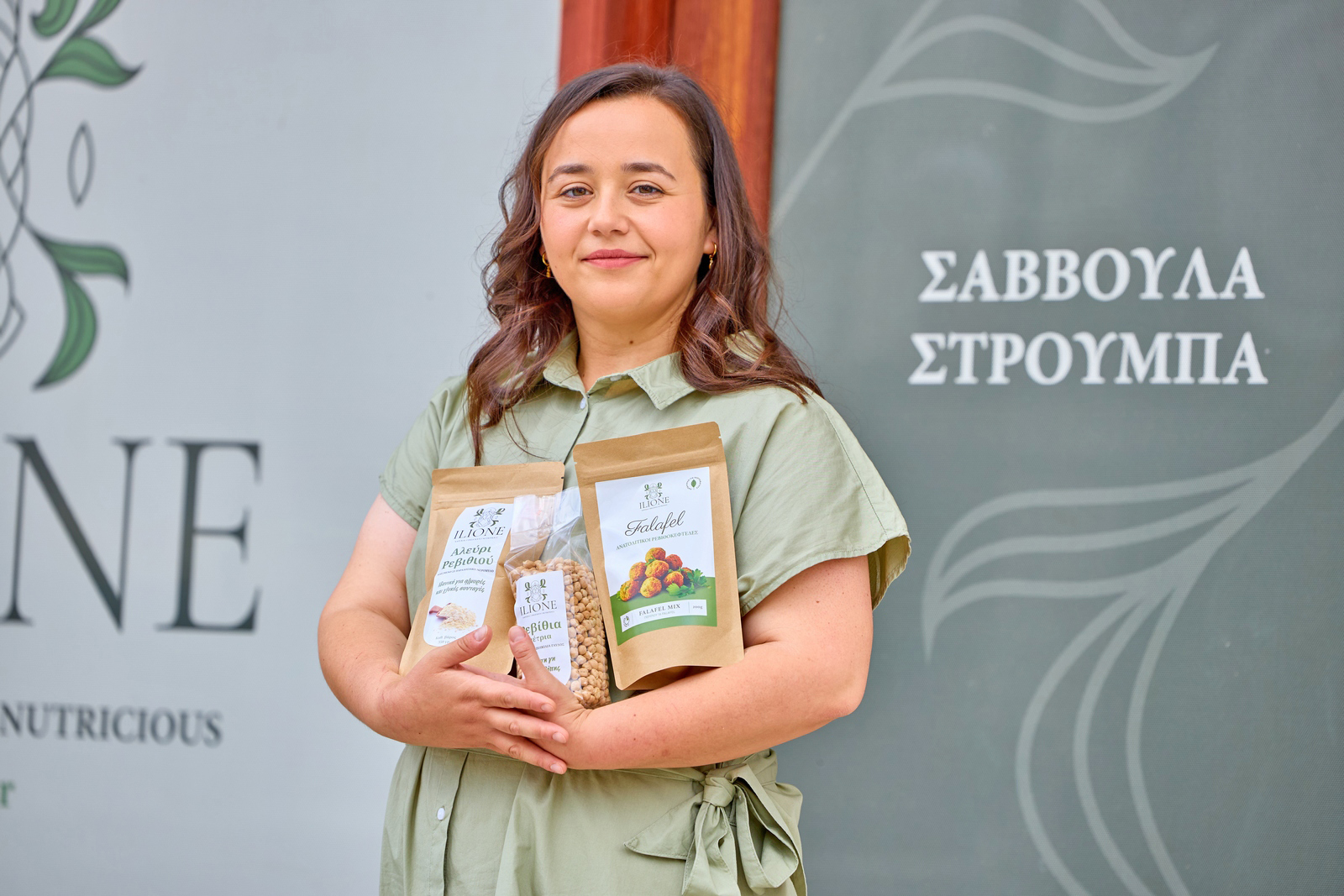
Zoi Vratskidou (Agathas Farm) noted that the program “came at the right time”, providing valuable knowledge while saving time and cost, and ultimately helping her feel empowered.

Angeliki Drakou (Grizo Prasino) emphasized that the experience set “very high standards” for future training programs and that she already recommends Agroanelixi to other producers.

Nikos Itskos (Varecon Food Company) highlighted that the program enabled more targeted decision-making regarding product positioning and promotion.

Xenia Galetsi (Megas Karpos Food Company) underlined the strengthening of her knowledge in key areas and the value of building a strong community of producers.

Why the program matters

The agri-food sector is a key pillar of the Greek economy and regional development.

Supporting small producers and businesses with business tools, expertise, and access to collaboration networks contributes to the transition from raw material production to higher value-added products.

Agroanelixi – Farmers of the Future” acts as a catalyst for this transition, strengthening competitiveness and creating new opportunities for sustainable development in the Greek agri-food sector.

Implementation and support

The business accelerator “Agroanelixi – Farmers of the Future” was implemented during the period 2020–2025 by New Agriculture New Generation, through the founding donation of the Stavros Niarchos Foundation (SNF).

During this period, the program was supported by:

• Hellenic Republic – Ministry of Rural Development and Food (under the auspices, 2022–2025)
• PPC (Public Power Corporation)
• Municipality of Servia
• Municipality of Agia
• DS Smith
• Elbisco
• CrediaBank
• TÜV Austria
• American Farm School
• Perrotis College
• Specialist Awards
• NBIS
• e-food
• AFI

The program will continue in 2026.

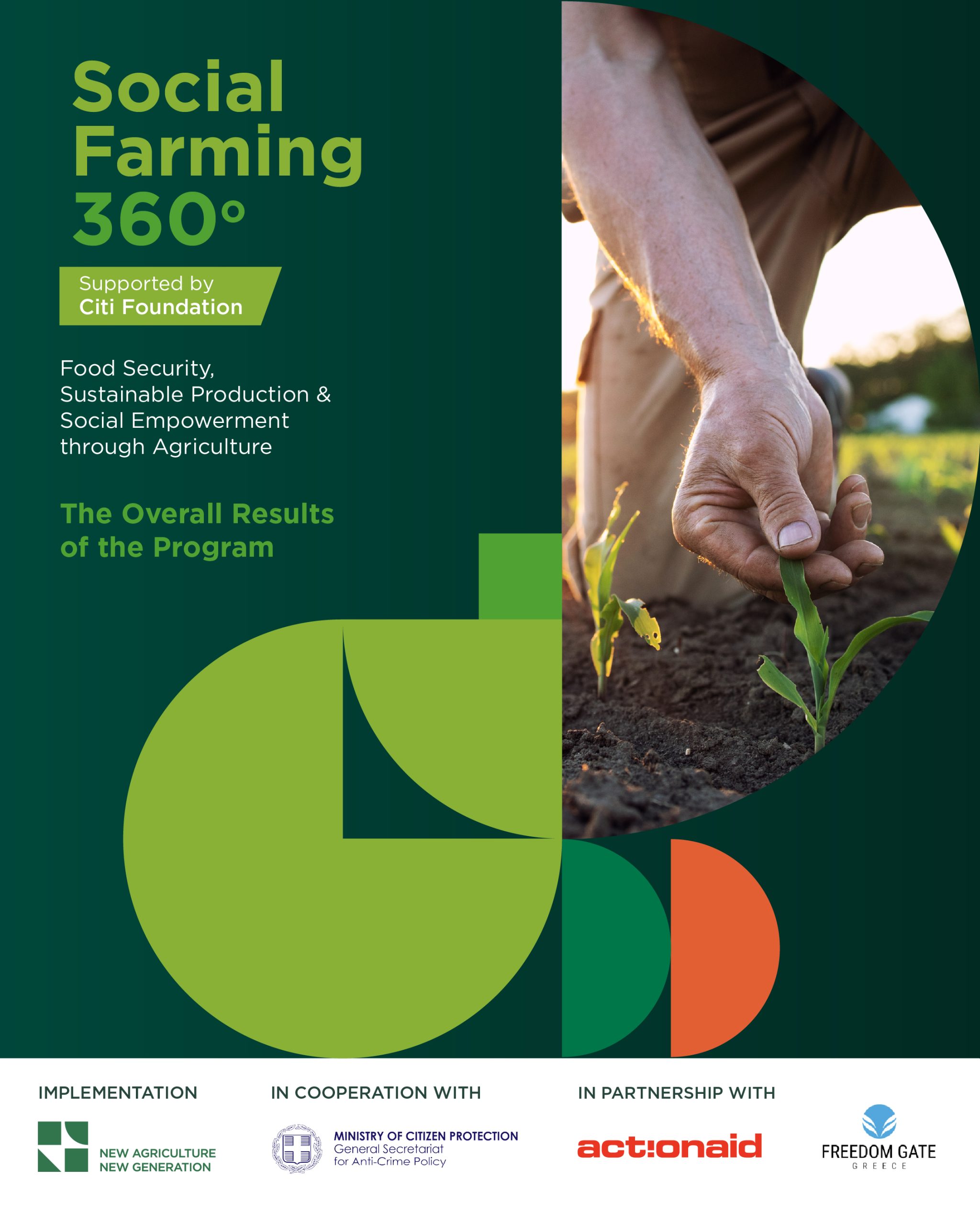
Social Farming 360° | The Impact of a Landmark Social Farming Programme

Social Farming 360° was an innovative and multifaceted social farming programme implemented in the agricultural correctional facilities of Greece between 2024 and 2025, functioning as a vehicle for the reintegration of incarcerated individuals while strengthening food production and food security.

In more detail

The Social Farming 360° programme was implemented by New Agriculture New Generation, with the full support of the Citi Foundation, in close collaboration with the General Secretariat for Anti-Crime Policy of the Ministry of Citizen Protection, and with the participation of ActionAid and Pyli Eleftherias (Gate of Freedom).

The programme connects three interrelated goals: food security, sustainable agricultural production, and the reintegration of vulnerable social groups into the labour market and social life.

It was a multi-level, two-year social farming programme implemented across six correctional facilities:

4 Agricultural Correctional Facilities

  • Agia Chania
  • Tiryntha Argolida
  • Kassaveteia Volos
  • Kassandra Halkidiki

2 Special Correctional Facilities

  • Women’s Agricultural Department of Eleonas Thebes
  • Drug Rehabilitation Centre for Incarcerated Individuals of Eleonas Thebes
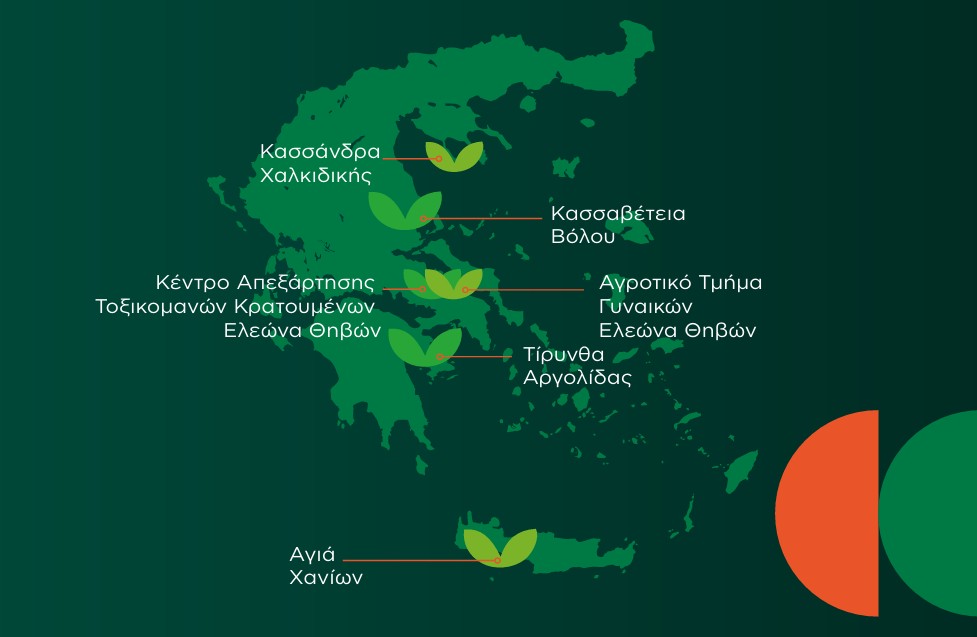
The implementation period of the programme lasted from 01/2024 to 12/2025.

By supporting sustainable food production within the country’s correctional facilities, Social Farming 360° promotes sustainability while offering incarcerated individuals opportunities for training and employment in the agricultural sector. At the same time, it strengthens the training of agronomists working within these facilities.

In essence, through the programme, agriculture is transformed into a tool for learning, empowerment, and social reintegration.

The programme was structured around technical and social interventions operating in a complementary manner.

Within the agricultural component, participants were trained in topics such as olive cultivation, medicinal and aromatic plants, food safety, and product production. Special emphasis was also placed on regenerative agriculture, namely practices related to soil fertility, sustainable cultivation, and biodiversity protection.

At the same time, ActionAid implemented the employability and professional development component, while Pyli Eleftherias (Gate of Freedom) implemented the psychosocial support and social inclusion component.

It should also be highlighted that the programme was not limited to incarcerated individuals, as agronomists and technical agricultural staff working within the correctional facilities also participated. In this way, a significant part of the programme’s technical knowledge is maintained even after its completion, contributing to resilience and long-term productive benefits for the facilities.

Educational thematic units

  1. Regenerative & Social Agriculture
  2. Olive Cultivation
  3. Medicinal & Aromatic Plants
  4. Food Safety & Product Production
  5. Employability & Professional Development (implemented by ActionAid)
  6. Psychosocial Support & Social Inclusion (implemented by Pyli Eleftherias / Gate of Freedom)

Participation and programme impact

Participation in the programme was significant and indicative of the strong interest it generated. Specifically, the following were recorded:

  • 1,081 participations of incarcerated individuals and agronomists in agricultural training sessions
  • 648 hours of training in agricultural and professional skills
  • 696 ACTA professional certifications
  • 214 incarcerated individuals participated in employability activities
  • 297 incarcerated individuals participated in psychosocial support sessions

It is worth noting that a considerable number of incarcerated individuals who participated in the programme continued after their release by joining ActionAid reintegration programmes.

At the same time, participants’ testimonies demonstrate that the programme was perceived as an initiative that opened new professional prospects and created an environment of communication, respect, and honesty.

Indicative testimonies from participants

  • The programme helped me a lot and opened new professional opportunities for me.
  • I appreciated the communication, respect, and honesty.
  • The programme should continue for more participants.
  • I learned how to communicate with other people.
  • I learned things that will be useful to me, and I also appreciated the respect that existed.
  • I appreciated learning about programmes that will help us after our release.
  • I appreciated the teamwork.
  • I really liked the way the programme was presented by the trainers and the support they provided us.
  • I liked everything: your positive energy and your behaviour towards us. It improved my psychology, which I completely lacked, because in this way you feel capable of doing anything.
  • During these few days, I realised that if you truly want to learn, you can.

The international dimension of the programme

Social Farming 360° also carries a broader institutional and international impact. New Agriculture New Generation was one of 50 organisations worldwide selected for the first Citi Foundation Global Innovation Challenge focused on food security, with each organisation receiving $500,000 in funding for a two-year intervention.

The Citi Foundation also featured a dedicated article highlighting the programme.

Key conclusions

  • Agriculture can serve as a powerful rehabilitation tool when combined with structured psychosocial and professional support.
  • Certification significantly increases participants’ motivation and perceived self-worth.
  • Integrated models (technical + social support) generate stronger behavioural and emotional outcomes compared to standalone skills training.
  • Relationships of respect between trainers and participants emerged as a critical success factor.
  • Correctional environments benefit from long-term, continuous programmes.
  • Multi-stakeholder collaborations (NGOs, agronomists, social support providers) are essential for holistic impact.

Conclusion

In summary, the programme operated across four different dimensions: food production, education, professional preparation, and psychosocial preparation for reintegration, while simultaneously promoting institutional cooperation between public and social sector actors.

Through Social Farming 360°, food security within correctional facilities and related structures was strengthened, while the social reintegration of incarcerated individuals was actively supported.

Watch the programme VIDEO.

Download the program’s fact sheet in PDF.

Read more about the program here.

Mussel Shells as Sustainability Solution in Agrifood

Utilization solutions for mussel shells discarded by shellfish farmers were proposed by a team of scientists who were named the top business idea of the year at TrophyΤροφή 2025.

The team BlueCrete was awarded on Thursday, December 4, at an event that marks the culmination of the annual TrophyΤροφή initiative, which has been implemented by New Agriculture New Generation since 2019, through the founding donation of the Stavros Niarchos Foundation (SNF).

BlueCrete, consisting of Nikol Drosou, Chrysi Papadimitriou, Anna Louvari and Zoe Kopsauti, was recognized for their proposal, which was based on the need to reuse waste within the framework of the circular economy.

The idea was that waste from shellfish farming and discarded shells can be used, after processing, in various environmental practices. We proposed that mussel shells, once treated, could be used as a substitute for sand in concrete production, as a soil improver, and in waste treatment processes, similar to activated carbon. We conducted experiments and studies and developed a business plan”, explained Ms. Papadimitriou, Assistant Professor at the Agricultural University of Athens, speaking to the Athens–Macedonian News Agency.

TrophyΤροφή 2025 is a platform for innovation and sustainability in the agri-food sector. This year, the initiative included 8 TrophyΤροφή Meet-Ups, held in 7 cities across Greece with the participation of dozens of students and startuppers. The Meet-Ups were carried out in collaboration with educational institutions, industry businesses, local chambers of commerce, municipalities, and regional authorities.

Source: Athens–Macedonian News Agency.

George Lignos: The Greek scientist who turned honey blue

With the dynamic and enthusiastic “It’s alive,” an innovative idea is introduced: fresh spirulina that turns honey blue. The story brings to mind Archimedes’ famous “Eureka!” moment. That must be how inventor George Lignos, a chemical engineer passionate about process design and optimization, felt. With the support of cutting-edge technology, he succeeded in creating and operating a sustainable urban spirulina cultivation system that produces fresh product daily—an achievement that certainly doesn’t go unnoticed.

Spirulina is a cyanobacterium, a microorganism to which Earth owes its oxygenation. Cyanobacteria were the first to provide oxygen, paving the way for other microorganisms to thrive. Spirulina has a long history as a superfood, rich in vitamins, minerals, and fatty acids. It stands out for its high content of phycocyanin, a plant-based protein with powerful antioxidant and anti-inflammatory properties. Its first recorded use dates back to the 16th century, and more recently, it was used as a dietary supplement by NASA astronauts during space missions. Today, new research continues to confirm many of its potential health benefits and therapeutic properties.

As a supplement, spirulina is typically found in powder, capsule, or tablet form and is often added to protein bars, smoothies, juices, pasta, and other foods. At this point, “It’s Alive” is changing the game by introducing spirulina as a food in its fresh and frozen forms, available in heart-shaped servings—a unique innovation combining freshness, functionality, and aesthetics while fully preserving its nutritional value.

Biotechnology in the Service of Nutrition

The story of It’s Alive began in December 2018, when a small team of visionaries ran their first experiments producing fresh spirulina in a small photobioreactor. Driven by persistence and innovation, they developed their own photobioreactors, continually refining production technologies and processes. Their participation in the EGG startup accelerator in 2019 was a turning point, providing their first funding for lab equipment. After years of research and nine generations of experimentation, they built the first industrial-scale photobioreactor, achieving a significant reduction in production costs.

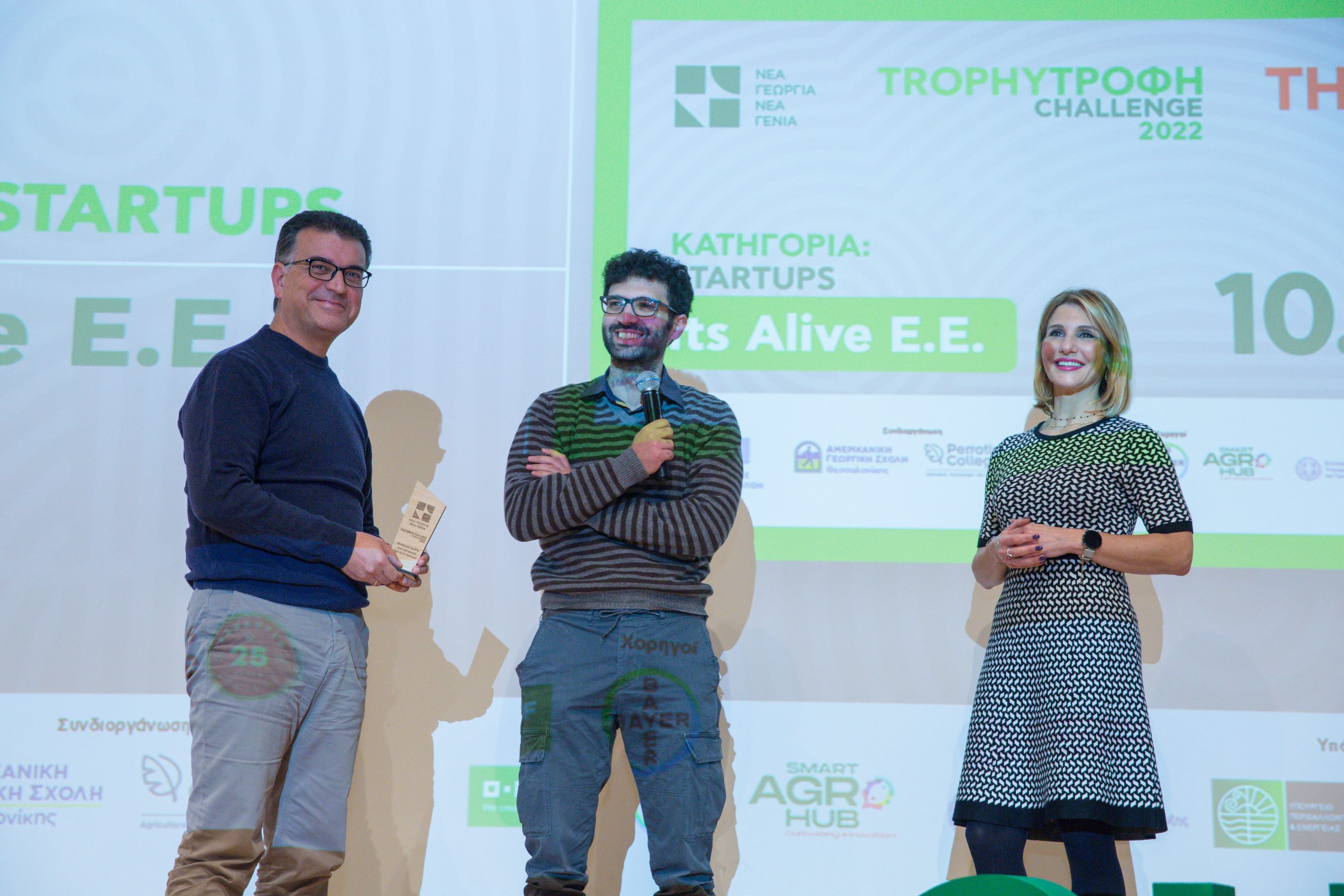
By 2021, incorporating modern IoT technologies, they optimized the production process and began sharing their initial results. Nutritional analysis results boosted their confidence, leading to the first taste party, where friends and acquaintances had the chance to sample fresh and freshly frozen spirulina. Encouraged by positive feedback, they took the next step, establishing It’s Alive as a pioneer in fresh spirulina production. In 2022, the company won the Trophy-Trophy Challenge by New Agriculture New Generation.

Today, It’s Alive is an award-winning, innovative company producing in the heart of Athens, with a mission to provide consumers with high-quality fresh spirulina. Led by George Lignos and a team of expert scientists who share the same vision, the company combines cutting-edge technology with sustainable practices to create unique, nutrient-rich products. It’s Alive’s philosophy is rooted in science and proximity to the consumer, focusing on urban farming, ensuring fresh spirulina reaches customers quickly and at peak quality.

Eyeing International Markets

Recently, the entire It’s Alive team has been working intensively to prepare for their first major export: blue honey to the U.S., in collaboration with Laconic Foods under the private label Cyano. Exporting is never easy for Greek startups, especially in the field of biotechnology, where Greece still lacks the expertise to support such ventures.

Urban Spirulina Farming

Production takes place in closed photobioreactors, which are designed and built in-house to ensure high efficiency and excellent quality. The process is fully sustainable, with zero waste and the use of green energy. Solar heating and passive cooling reduce the environmental footprint, making It’s Alive a model in the field of sustainable food production.

How Does Honey Turn Blue?

The honey’s transformation into blue is achieved by adding fresh spirulina extract, whose striking blue hue comes from phycocyanin, a natural pigment. Under bright light, the miel et ciel (French for “honey and sky”) fluoresces red—evidence that the extract is still fresh. The It’s Alive team has filed a patent application, as they managed to create a product in which the extract both enhances the color and nutrition of the honey, while the honey itself preserves the extract at room temperature. However, this effect does not occur with all varieties of Greek honey. An extensive research process was carried out to select the ideal variety for optimum results and stable quality.

The addition of spirulina extract not only gives honey a unique appearance but also enhances its nutritional value, turning it into a biofunctional food that combines aesthetics with functionality.

The “It’s Alive” Product Line

It’s Alive offers fresh spirulina in various forms, tailored to consumer needs and preferences:

  • Frozen heart-shaped spirulina servings, ideal for smoothies, salads, or side dishes.

  • Fresh spirulina paste, available in different flavors: for the ultimate freshness experience.

  • Miel et Ciel: a one-of-a-kind product that blends honey with active spirulina extract, offering a nutritious combination with a distinctive color and taste.

Source: flamis.gr

Chios Mastiha in the Test of the 21st Century | Mastic trees: Ensuring the future of a national product – Knowledge transfer and innovation network in Chios

The cultivation of mastiha in southern Chios has endured for centuries — through wars, earthquakes, and wildfires. Today, however, it is challenged by modern pressures: the climate crisis, technological transition, the shortage of new farmers, and the need for sustainable practices.

At this crossroads, a pioneering program is “born” — not in conference halls, but in the mastiha groves, alongside the producers. The program “Mastiha Trees: Safeguarding the Future of a National Product” provides a substantive, practical, and human-centered response, transferring knowledge from farmer to farmer, establishing for the first time a network of cooperation and innovation, and empowering the very communities that keep mastiha alive.

This is highlighted in an interview with the Athens-Macedonian News Agency (AMNA) by Stefanos Chatzilazarou, Associate Professor at the Department of Agriculture of Aristotle University of Thessaloniki (AUTh), and coordinator of the scientific team supporting the program.


Unprecedented Challenges of the 21st Century – What Is the Response?

The climate crisis, the demand for sustainable practices, technological change, economic uncertainty, the decline of the rural population, and the lack of succession in family farming threaten to break a centuries-old cycle of life, says Prof. Chatzilazarou. He adds that the pioneering program “Mastiha Trees: Safeguarding the Future of a National Product” offers a rare holistic response — not theoretical, but practical, rooted in the land, the people, and their real needs.


From Chios to All of Europe – A Model to Follow

The program, which has been extended until March 2026, is already considered a model of agricultural education and sustainable development. It has been recognized as a best practice by the Directorate-General for Agriculture of the European Commission (DG Agri) and was awarded at the Bravo Sustainability Awards, reflecting its impact.

The program is implemented by the New Agriculture New Generation Organization, in collaboration with the Laboratory of Floriculture of AUTh’s Department of Agriculture and the Chios Mastiha Growers Association (EMX). It is funded through the founding donation of the Stavros Niarchos Foundation (SNF), The Hellenic Initiative, and the Chios Mastiha Growers Association (EMX).

Key contributors to the project, according to Prof. Chatzilazarou, include: Dr. Stefanos Kostas, Emeritus Professor Athanasios Oikonomou (AUTh), Efi Lazaridou, Dr. Dimitris Voloudakis, Kalliopi Karaboiki (New Agriculture New Generation), Dr. Ilias Smyrnioudis, and Despina Anagnostou (EMX).


Farmer-to-Farmer Training: Knowledge Rooted in People

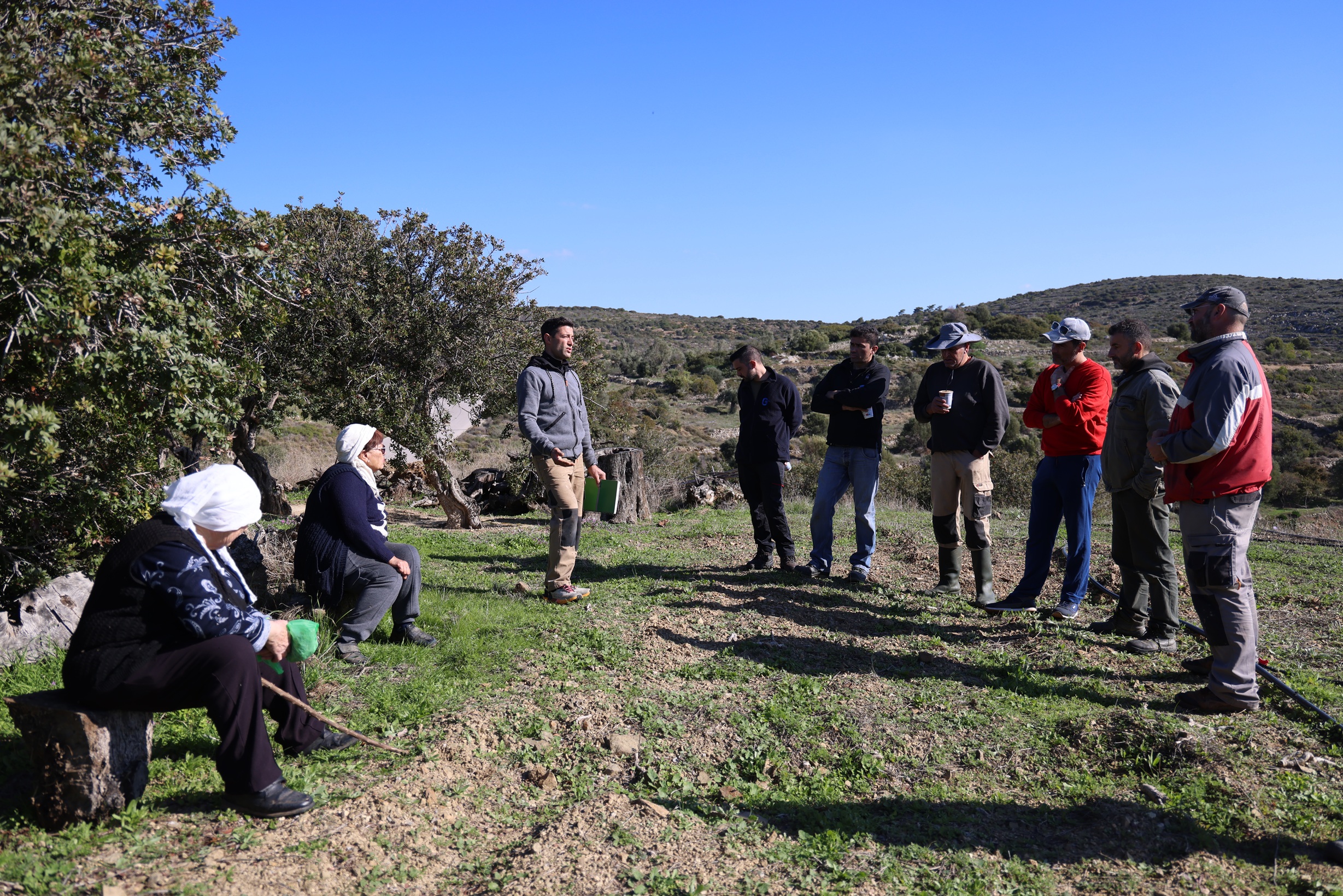
The focus of the program is not simply informing farmers, but empowering them through knowledge. Specifically, 24 young producers, aged 18–45, receive specialized training on the entire spectrum of mastiha cultivation and then go on to train their fellow villagers.

“This creates a dynamic knowledge network that is constantly reinforced, interacting and evolving,” notes Prof. Chatzilazarou, adding that so far more than 250 growers have participated actively, while the 24 trained producers act as multipliers of knowledge in the 24 mastihohoria (mastiha-producing villages). Farmers also relay observations and questions, which return as research and improvements from AUTh.

As producer Despina Vataki characteristically says:
“The program gives me the opportunity to actively contribute to spreading knowledge. As a group, we exchange views, discuss, reflect. A fertile ‘give and take’ is created that drives us only forward.”


The Chios of 24 Mastiha Villages: Agriculture, Culture, Society

Today in southern Chios, where mastiha trees stand still in time and shed their precious tears for centuries, more than 1,150,000 mastiha trees are cultivated across 20,000+ stremmata of farmland. Registered growers in the cooperative exceed 4,000, and cultivation remains a family affair with strong participation of women.

“Mastiha is deeply tied to the identity and the local society of Chios. It is not merely an economic activity — it is tradition, relationship, cohesion. The program recognizes and harnesses this dynamic,” emphasizes Prof. Chatzilazarou.


Mastiha Facing the Climate Crisis

Highlighting that the climate crisis is not a threat of the future but a present reality, Prof. Chatzilazarou notes that the floods of 2024 damaged both the quantity and quality of production. Fortunately, the wildfires of 2025 did not affect the mastiha trees, though they impact the microclimate of the region.

Although the tree is resilient to diseases and requires no pesticides, the program recommends — according to Prof. Chatzilazarou — adjustments in the kentima (incision technique) depending on weather conditions, research into genotypes adapted to the new environment, and continuous farmer updates through a digital platform.


From the Past to the Future – Can Mastiha Endure?

“The answer is clearly yes — but not without evolution,” says Prof. Chatzilazarou. He notes that mastiha cultivation is already included in the UNESCO Intangible Cultural Heritage, in the EU’s sustainable agriculture strategy, and in modern business interest for natural, certified products.

“The program acts as a bridge between the traditional way and the demanding environment of our era,” he stresses.


Agricultural Education That Changes Lives – Women and Youth: The New Strength of the Mastiha Villages

Participation in the program transforms the role of young producers. It teaches them why they do what they had learned empirically, turns them into carriers of knowledge, connects them with scientific support networks, and provides professional identity and self-confidence.

Moreover, women have an active and equal role in mastiha cultivation and processing, and “the program supports, educates, and inspires them,” he underlines.

At the same time, young producers are returning from urban centers to invest in a crop that is beginning to show both financial and qualitative returns. According to Prof. Chatzilazarou, prices are rising, demand is steady, and knowledge is now a vital tool.


Mastiha in Medicine, Cosmetics, Gastronomy

The expansion of mastiha uses (pharmaceutical, cosmetic, nutritional) adds value and export potential: wound healing, anti-inflammatory and antimicrobial action, oral hygiene products, cosmetics, and natural supplements.

“The uniqueness of Chios mastiha makes it one of the most authentic and competitive products of the Mediterranean,” he notes.


From Tradition to Global Innovation

The program “Mastiha Trees” is not just a subsidized initiative. It is a living community of people, scientists, producers, and institutions proving daily that tradition and innovation can coexist.

“As for centuries past, so today, mastiha cultivation will continue dynamically in the southern part of Chios, offering us its precious tears and filling us with its taste and aroma,” concludes Prof. Chatzilazarou.


Elena Alexiadou

Photographs were provided to AMNA by Stefanos Chatzilazarou.

Source: ΑΠΕ-ΜΠΕ

Aspasia Pastrikou: From London to Kos and the cultivation of tropical fruits and herbs

The Idea of Cooperative Cultivation That Won an Entrepreneurship Award

Tropical fruits from… Kos and herbs like oregano, thyme, and sage mark the beginning of Aspasia Pastrikou’s journey in the agricultural sector. Leaving behind life abroad, she returned to her birthplace, Kos, in 2021 to experience what life on the island is like.

In 2024, she made the decision to get involved in product cultivation, and today she has achieved her first small production of herbs. She estimates that by March 2025, the packaging of her products under the brand name “Votanima” will be ready.

“I studied mechanical engineering and lived in the UK for eight years, working for major companies. Then I returned to Greece, where I also worked in a large company in my field. However, in 2021, I decided to return to Kos. There, I realized that the entire lifestyle of the residents revolves around tourism. That gave me the first push to do something different,” Aspasia told Ypaithros Chora.

While trying to find her footing on the island, she created a small vegetable garden for personal use. “This process—watching a seed turn into food—enchanted me, and that’s when the idea of cultivation started to take root in my mind. At the same time, I came across Piraeus Bank’s Equal program for women in agri-food, which I joined. There, we had a lesson on aromatic plants, and I thought: I’m on the island of Hippocrates, and we don’t have our own herbs. So I decided to explore it further, and that’s how I got started,” she explained.

She connected with people who had previously attempted herb cultivation on the island but had discontinued due to other obligations, and she took over their fields. She also made use of her family’s available land.

With roots in Australia, which she has visited many times, Aspasia was inspired to experiment with tropical fruit cultivation in Kos. As she explains, “I thought about how the climate is changing due to global warming, and we need to adapt and try new crops that might benefit from these changes. Having memories of fruits like mango from Australia, I decided to give it a try. So far, the crops are doing very well. They withstood the winter without any issues.”

Currently, she is cultivating 13 different types of tropical fruits. Some of these include mango, papaya, pineapple, lychee, star fruit, passion fruit, two different types of guava, and dragon fruit. “There are also other producers in Kos growing these kinds of fruits, so that’s a good sign—it shows these products can thrive not just in Kos, but in the Dodecanese region in general.”

Cooperative Cultivation

At present, Aspasia is still designing her business plan. As she explains, “This year, I had my first small harvest of herbs. I’m constantly studying and learning, since I don’t have an agricultural background. I expect the packaging to be ready by March 2025.”

She also received support through her participation in the AgroAnelixi program of New Agriculture New Generation, as well as from the EWA (Empowering Women in Agrifood) program organized by EIT Food. In the latter, she won second place and a €5,000 prize.

“This distinction made me feel more confident about my business and the idea of implementing the method of cooperative cultivation, which is based on regenerative agriculture and agroforestry. From the research I’ve done, it seems well-suited to both the region and the types of crops I want to combine, since it’s applied where there is both low and high vegetation.”

Future Plans

Aspasia’s upcoming plans include expanding her herb cultivation and, in the short term, setting up her own workshop. Finally, with the prize money from the EWA competition, she plans to invest in precision agriculture, specifically in soil sensors. As she emphasizes, “Temperature and humidity play a very important role. Water is precious, so I want to monitor what goes into the field to ensure it’s only what’s necessary—nothing more.”

Source: ypaithros.gr

Sarkatzi Farm: The cottage industry innovating at the foothills of Mount Vermio and paving the way for young farmers

At the foothills of Mount Vermio, in the semi-mountainous village of Trilofos, Imathia, Sarkatzi Farm was “born” five years ago. It was in 2019 when Theodoros Sarkatzis, a graduate of the Department of Public Relations and Communication, decided to return to the land and replant his family’s 40-year-old estates with nut trees.

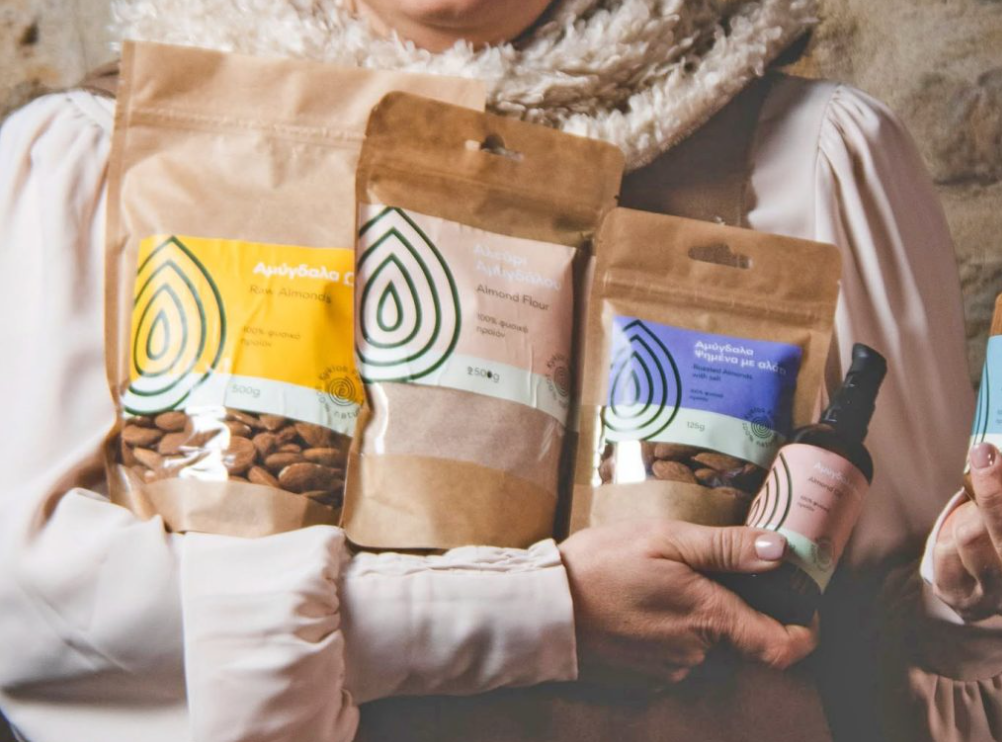
Together with his wife, Anastasia Tsili, they chose to focus on the production, processing, and marketing of almonds and hazelnuts, emphasizing product quality while also paving the way for new farmers in the primary and agri-food sectors. The range of products produced on the farm is constantly expanding and now includes spreads, cereal bars, powders, pralines, spoon sweets, and more.

Starting from cultivation all the way to product packaging, the family-run cottage industry has shown consistent growth. It currently offers 20 product codes, with sales increasing by 60% compared to last year—a development that prompted the next step in their expansion. With the goal of increasing both production and their customer base, Sarkatzi Farm, which spans approximately 3,000 square meters, is investing in a new, modern processing facility on a privately owned 120-square-meter property in Trilofos. The new unit is expected to be completed by the end of 2025. For this investment, the cottage industry has submitted a funding application through the NSRF program for processing and is now awaiting final results.

Speaking to Liberal.gr, Ms. Anastasia Tsili said the new facility will house the workshop, storage areas, and offices of the cottage industry. “Our facility is being upgraded and will be fully vertically integrated once the new unit is operational. The aim is to grow our customer base (both wholesale and retail) and increase our production. Consumer demand is already growing, with our products gaining traction among consumers,” Ms. Tsili stated.

Emphasis on Quality

Discussing the products, she noted that the idea of processing and producing healthy food came about when she was searching for highly nutritious foods for her child—and that’s when she discovered nut butters. “Our farm’s nut production kept increasing. At the time, my husband Theodoros Sarkatzis, who leads cultivation and harvesting, and I were debating whether to sell the raw product to traders or begin processing it ourselves. My interest in healthy foods like nut butters for my child led us to the idea of producing spreads based on the nuts we already grew,” Ms. Tsili explained to Liberal.gr. They started with six flavors and now offer 20 product codes, including raw nuts.

The nuts cultivated at Sarkatzi Farm are mainly almonds and hazelnuts, with walnuts also being developed. The nuts are used to produce spreads with up to three ingredients, cereal bars, almond powder, pralines, spoon sweets, and almond oil. “What sets our products apart from the competition is that they contain no additives such as preservatives, sugar, salt, or added oils. Ingredient combinations are made using honey, which we source from small local producers. They contain 100% natural ingredients and have a one-year shelf life,” Ms. Tsili emphasized, noting that the cottage industry invests in high-quality, pure raw materials—a key differentiator in the sector. She added that four of their 11 spread codes have received awards for best taste in competitions.

Expansion into More Retail Outlets

The cottage industry’s products are currently available on store shelves in Veria, Naousa, and Thessaloniki, with the majority of sales coming from their online store (e-shop). Given the steady rise in sales and the upcoming completion of the new processing unit, Sarkatzi Farm aims—through its participation in food exhibitions—to expand into more retail points in the domestic market and, in the long term, to enter international markets.

Finally, referring to the cottage industry’s collaboration with the organization New Agriculture New Generation, Ms. Tsili described it as a “godsend” for Sarkatzi Farm, offering knowledge and solutions across various agri-food sectors and in the production process. “We cultivate our land with love and respect for the environment, always following the guidance of our expert agronomists,” Ms. Tsili concluded.

Source: liberal.gr

Eleni Plachoura – Vasilis Ritas (NOMAD Honey): The Greek organic honey energy gel loved by Americans and Germans

The story of two civil and mechanical engineers who turned to beekeeping and created the first product of its kind in the world. What one of the co-founders of this innovative company shares with us.

Mother Nature generously offers her gifts and simultaneously presents business opportunities for those who can make the most of them. Eleni Plachoura and Vasilis Ritas are two engineers who didn’t hesitate to take up a new professional venture when they decided to engage in beekeeping by founding the company NOMAD Honey.

Through it, they produce and market organic honey and other bee products that come from their beehives located in the Vikos Gorge.

NOMAD Honey has even created and patented the world’s first organic honey energy gel made only with natural ingredients, approved by the Hellenic Industrial Property Organization (OBI). Their products are exported to Germany and the U.S.

“We met as engineers. We were working as a civil engineer and a mechanical engineer. We had no connection to beekeeping. It came into our lives by chance in 2014. But we decided that we wanted to get serious and professional about it. In 2015, we attended the School of Beekeeping and Sericulture at Aristotle University of Thessaloniki, where we gained valuable knowledge and tools to practice organic beekeeping with proper methods. We developed our bee colonies and since then, we’ve maintained mountainous apiaries in the Vikos–Aoos Geopark and other mountain areas. Our brand name, NOMAD Honey, was inspired by the nature of our work — nomadic beekeeping,” says Eleni Plachoura (Civil Engineer – Beekeeper), co-founder of the innovative company, in her interview with newmoney, explaining their personal story and how this career switch came to be.

“In 2018, we built a state-of-the-art organic honey packaging facility in Katsikas, Ioannina, in our own 700m² premises. That same year, we created the world’s first natural, organic honey-based energy gel — gentle on the stomach and intestines of athletes — called Bear Strength NOMAD Natural Boost Honey Gel. We built its production line at our facility and patented our idea through the Hellenic Industrial Property Organization. We’ve even conducted a clinical study on its effects. The entire investment was self-funded, driven by passion, vision, and dedication — to such an extent that we were blinded to the challenges of launching a new business.”

The Greek beekeeper then elaborates on the company’s development, its operations today, its sales, exports, and product range:

“Since then, we’ve been producing and selling top-quality organic mountain honey varieties. All the honey we produce has been awarded for its quality and taste at international food competitions over the past six years. We have also developed and now sell a line of six energy gels, each with a different composition and effect, designed for sports, outdoor activities, or for anyone needing an energy boost during the day. Our products are available at our physical store at our facility in Ioannina, through our online store www.nomad-honey.gr, in delicatessen and sports stores in Greece, and are currently exported to the U.S. and Germany. Our company produces, processes, packages, conducts research with external partners, innovates, and distributes its products worldwide.”

Regarding NOMAD Honey’s new projects and future business steps, Eleni Plachoura tells newmoney:

“Our most recent news is that we’ve set up a production line for raw, organic energy and protein bars, which will be launched in the market in a few days. Our overall focus is on real, energy-packed food. We have many ideas for the future, but we take it one step at a time.”

In closing, Ms. Plachoura describes the company’s collaboration with New Agriculture New Generation:

“Our collaboration with New Agriculture New Generation happened during the COVID-19 period. At a time of general isolation, the Zoom seminars with all the organization’s partners were a window of connection to the outside world. The entire educational component was very interesting, as it helped us frame our business through an entrepreneurial lens, even though we were already on the market having taken our own path, unaware of many business rules. In 2021, we won first prize in the organization’s accelerator program for our business plan, among all participating companies. It’s worth noting that our relationship and communication with New Agriculture New Generation continues to this day, and there is mutual appreciation.”

Source: newmoney.gr

Giorgos Meleneclis (Menikio): The organic dairy products from Drama that are in high demand abroad

From the vertically integrated livestock unit of the Municipality of Prosotsani, supermarkets, delicatessens, and foreign markets both within and outside of Europe are being supplied, with new partnerships in Israel, the UAE, and Saudi Arabia.

The genuine, traditional dairy products originating from rural Greece—products that appear in the eyes of urban residents as an “invaluable natural treasure”—seem to be steadily gaining ground in consumer preferences abroad as well.

The distance from Drama to… Abu Dhabi or Riyadh, the capitals of the United Arab Emirates and Saudi Arabia respectively, is obviously vast. But that didn’t stop the locals from “discovering” them through international trade networks, much like several European countries had earlier. The next goal: entering the American market…

In the shadow of Mount Menikio, on the plain of the Municipality of Prosotsani, the Agricultural Livestock Industrial Cooperative of Prosotsani Menikio (Menikio) develops its activity, expressing the shared vision of a group of local people for the creation of a model farm. In this fertile plain, the Cooperative’s livestock unit, animal feed storage facility, and dairy plant are located. Surrounding the facilities is a fenced pasture where “…the animals graze freely in a protected environment, depending on the season and weather conditions, without being exposed to any danger,” as described by the company’s head, Giorgos Meleneclis—a graduate of the Department of Agriculture (specializing in Food Science and Technology) at the School of Agriculture, Forestry, and Natural Environment of Aristotle University of Thessaloniki.

He explains to newmoney:
“Menikio supplies the Greek market daily with high-quality dairy products made exclusively from Goat and Sheep Milk, including our flagship product, Fresh Goat Milk, as well as Yogurt, Kefir, Goat Cheese and Feta, Ayran, and Butter. In addition to milk from its own livestock unit, Menikio sources milk from more than 100 producers from Drama, Serres, and Thessaloniki.

In international markets, the Organic product line is enjoying great success and growth, both in Europe—with partnerships in the UK, Cyprus, Bulgaria, Belgium, Germany, Poland, Slovenia, and the Netherlands—and beyond, with recent collaborations in Israel, the United Arab Emirates, and Saudi Arabia.”

The company distributes its products through partner supermarket chains in Northern Greek cities (e.g. Masoutis, My Market, Market In, Sklavenitis), and in Athens through organic food stores and delicatessens (such as “Biologiko Chorio”).

Menikio’s exports already account for 30% of its turnover and continue to grow. The company produces 20 product codes and employs 50 workers.
Its sales exceed €2 million, with a projected increase of 12%-15% for 2024, while a new investment in the expansion of its facilities is expected to double its annual production to 1 million tons.

Plans include the launch of an innovative product: the first organic ice cream made from goat kefir, which is set to launch in Spring 2025. Additionally, the company exports animal feed, mostly cultivated in Cyprus.

“Support for Livestock Farmers”
Menikio’s facilities include a fully vertically integrated livestock unit, dairy plant, warehouses, farmland, and a fenced grazing area of 90 acres.
“The Cooperative’s people ensure that the feeding schedule, quantity, and timing are strictly defined and consistent, thus creating the ideal conditions for the production of high and consistent quality organic milk.

This organization is what allows Menikio to continually expand its production activities in the organic products sector. At the Cooperative’s dairy plant, high-quality, certified organic dairy products are produced, following all hygiene and safety protocols in line with HACCP and ISO 22000 standards,” adds Mr. Meleneclis, continuing:

“Our priority is quality Goat Milk, which we aim to emphasize, supporting local livestock farmers and their work, with the goal of further developing and strengthening the milk production zone. All of this is naturally reflected in the final product and its quality. Our ongoing goal is to produce innovative dairy products of high quality, taste, and nutritional value. Our desire to develop innovative organic products is also reflected in the recent launch of our newest product, Organic Ice Cream made from Goat Milk and Kefir—a product that marks our entry into the frozen foods market and has already been met with great success at food exhibitions in Greece and abroad.”

In closing, Giorgos Meleneclis speaks about the impact of Menikio’s collaboration with the organization New Agriculture New Generation:

“As a small-to-medium enterprise, it’s very important for us to have the opportunity to collaborate with organizations like New Agriculture New Generation. The work and initiatives they carry out in partnership with businesses are of the utmost importance for our development and networking. Through the ‘Agroanelixi’ competition, we managed to create our Goat Kefir Ice Cream with the help and guidance of the organization’s team. On our end, we will continue to participate wherever possible and support the organization’s work in the best possible way.

Source: newmoney.gr

PhaMelaki: Continuing the tradition of beekeeping aiming for sustainability

Our beneficiaries

Meet Gogo Passa and Nikos Afendras, beneficiaries of the program “Agroanelixi-Farmers of the Future”.

Based in the heart of Greece, in Northern Evia, Gogo and Nikos have been involved in beekeeping for quite a few years now. In 2023, aiming to evolve their family business and improve both products and processes, they decided to participate in the program “Agroanelixi-Farmers of the Future”, which was implemented for the 4th consecutive year by the organization “New Agriculture New Generation”.

Gogo and Nikos made the big decision to change their lives and turn to beekeeping due to their love for nature and specifically for bees. However, unfortunately, after the major wildfires that occurred in the area in 2021, they lost a large part of their beehives, and thus, among other things, sought the contribution and support of the organization “New Agriculture New Generation”.

From Idea to Action

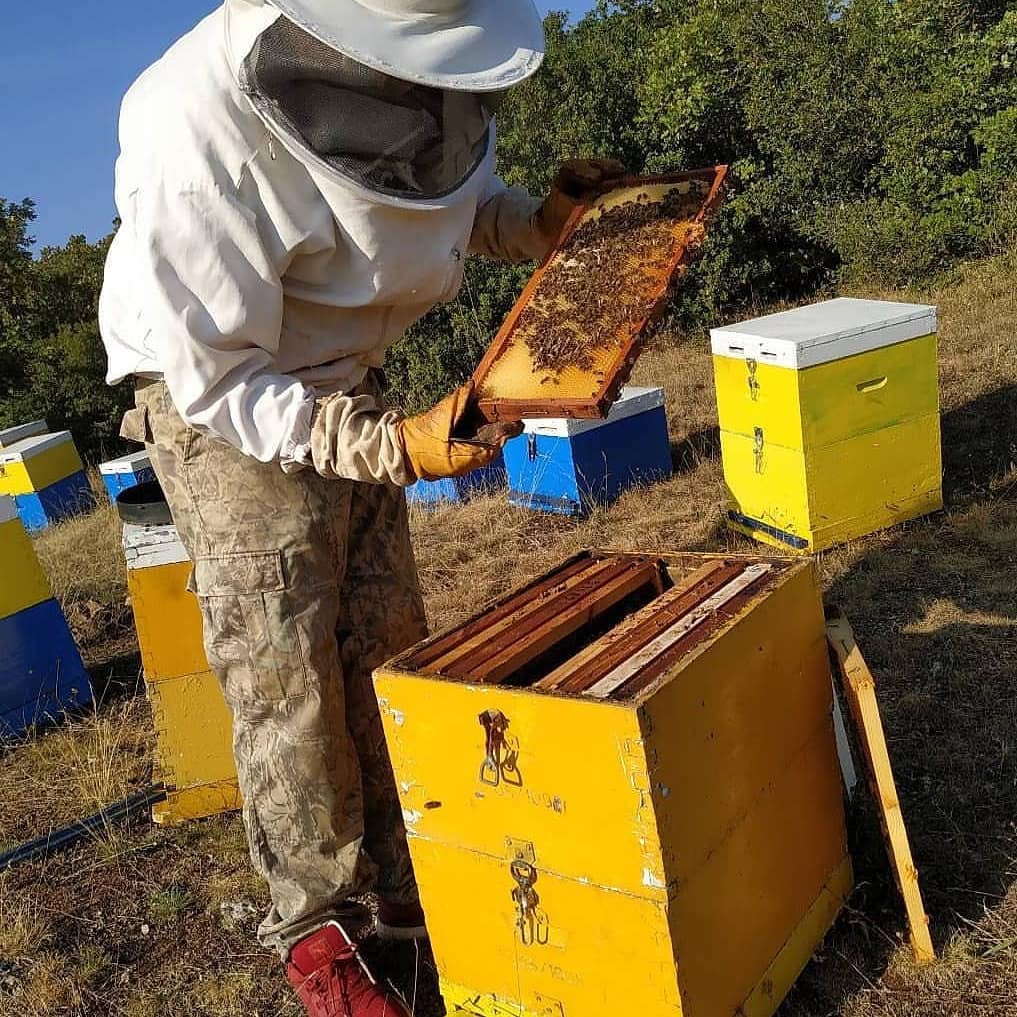
The beekeeping family business “PhaMelaki” was created in 2015 by Gogo and Nikos, who proudly state that they are first-generation beekeepers.

As Gogo aptly puts it, “What drives us and has always driven us is the passion for bees, family, and the environment.”

The family, now a business under the name “PhaMelaki”, manages approximately 200 beehives. Gogo continues, saying, “We practice nomadic beekeeping, collecting honey, polyfloral bee pollen, beeswax, propolis, and royal jelly, while following proper beekeeping practices for the production of our products.”

Additionally, at “PhaMelaki,” their goal is to engage with the local community and highlight the importance of bees and pollination to the planet, at every opportunity.

Participation in the “Agroanelixi 2022” accelerator

In 2023, for the fourth consecutive year, “New Agriculture New Generation” implemented the successful program for accelerating agri-food businesses “Agroanelixi-Farmers of the Future”, through which farmers, livestock breeders, beekeepers, artisans, cooperatives, and producer groups from all over Greece are supported in creating new differentiated food products based on the unique raw materials of Greek land.

Both Gogo and Nikos felt that their participation in the program was able to provide them with many tools, especially after the devastating fires of 2021.

“With the bees that were saved, we continue the tradition of beekeeping, collecting new products from the regenerating forest, while also taking care of the sustainability and welfare of our bees in the new ecosystem. In this effort, the organization has been with us from the beginning,” says Nikos.

Finally, concluding, Gogo adds, “Through our participation in the program, we would like to highlight the unique varieties of honey from our region, create new products and experiences, and be able to share these stories with consumers. This is always our goal.”

Gogo Passa participated in the fourth cycle of the Agroanelixi-Farmers of the Future program.

The program supports agri-food businesses, aiming to shape a new entrepreneurial mindset in the sector and develop new differentiated food products through sustainable entrepreneurial efforts.

Implemented by the organization New Agriculture New Generation through the founding donation of the Stavros Niarchos Foundation (SNF). The sponsors of the fourth cycle of Agroanelixi-Farmers of the Future are DS Smith, ELBISCO, EFOOD, Letrina S.A., and Specialist Awards.