Νέα Γεωργία Νέα Γενιά

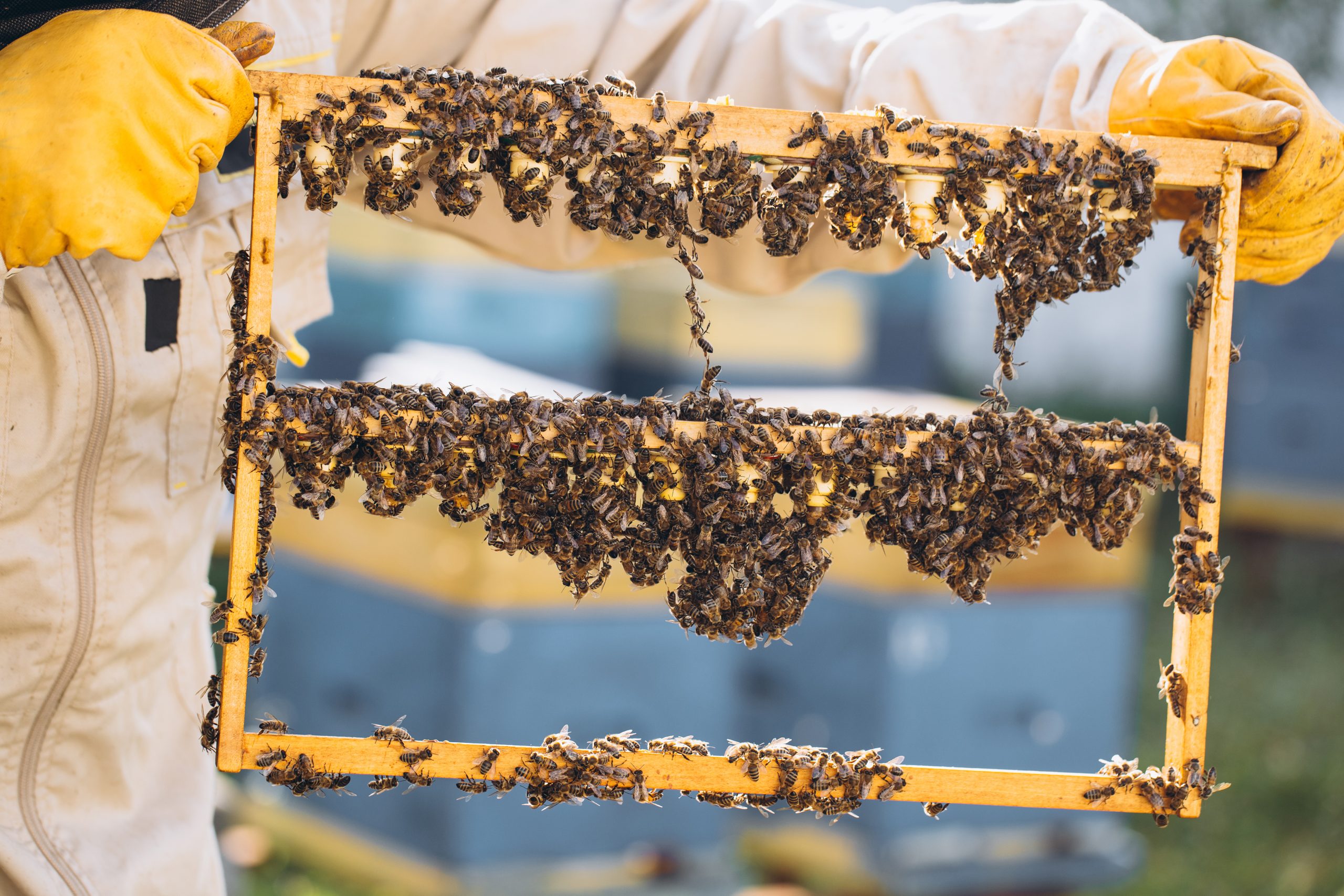
Queen Rearing in Thessaly: Distribution of Queen Cells to Support Local Beekeeping

The program “Queen Rearing in Thessaly: Distribution of Queen Cells to Support Local Beekeeping” is implemented in the Regional Units of Larissa, Karditsa, Magnesia and Trikala.

Summary

Following the extensive damage caused by the storm “Daniel” in 2023, which led to the loss of more than 40% of bee colonies, beekeeping in Thessaly, a region with a decisive contribution to national production, remains at a critical stage and requires targeted and consistent support.

Following two successful initiatives implemented in the region (“Restarting Beekeeping in Thessaly” 2022–2023 and “Queen Rearing: Utilization, conservation and improvement of bee genetic material” 2023–2024), the need to continue supporting affected beekeepers emerged.

The program “Queen Rearing in Thessaly: Distribution of Queen Cells to Support Local Beekeeping” aims to address this need by offering 10,000 queen cells free of charge to 150 beneficiary beekeepers in the region.

The program is designed and implemented by the organization Νέα Γεωργία Νέα Γενιά, in collaboration with the Agricultural University of Athens and under the scientific guidance of the Laboratory of Sericulture and Apiculture, supervised by Assistant Professor Georgios Gkoras. It is co-funded by the Region of Thessaly, the John S. Latsis Public Benefit Foundation and APIVITA within the framework of the Billion Bees Program.

Purpose of the Program

The purpose of the program is to support up to 150 beekeepers affected by the storm Daniel, through the provision of 10,000 queen cells derived from endemic genetic material of the region.

The production of queen cells is carried out by 8 specialized queen breeders, who utilize either their own selected genetic material or the genetic material of the beekeepers themselves, where available.

Through the program, the following are pursued:

  • restoration of bee colony production
  • production of high-quality queens
  • strengthening of the sector’s sustainability
  • support of the local economy

At the same time, the program contributes to the large-scale production of queen cells from selected endemic genetic material, with the participation of experienced local queen breeders.

The queen breeders have already been trained through previous initiatives and have demonstrated significant production activity, with more than 800 graftings (2022–2023) and the production of 27,000 queen cells in 2024.

The initiative has received important distinctions, such as:

  • Bravo Sustainability Award 2022 (Category: “Protection of Ecosystems and Biodiversity”)
  • GOLD Environmental Award (Category: “Sustainable Agriculture”)

In the long term, the objective is to strengthen beekeeping in Thessaly, increase production and develop more resilient bee colonies, while contributing to biodiversity and local agricultural production.

Target Group

The program is addressed to:

  • primarily beekeepers in Thessaly affected by the storm, following evaluation of applications
  • other beekeepers in the region, subject to availability

Areas of Implementation

  • Regional Unit of Larissa
  • Regional Unit of Karditsa
  • Regional Unit of Magnesia
  • Regional Unit of Trikala

Duration

The first application cycle will remain open until April 24, 2026.

Participation Cost

FREE

Queen Breeders’ Contact Numbers

Regional Unit of Larissa
Elina Kampisiou: 6974012351
Ioannis Senko: 6936820666

Regional Unit of Karditsa
Katerina Apostolopoulou: 6993736456
Alexandros Giannakopoulos: 6988198696
Alexandros Liatsos: 6976290719
Giorgos Xiros: 6983603675

Regional Unit of Magnesia
Dimitris Koletas: 6974202989

Regional Unit of Trikala
Konstantinos Lamprogeorgos: 6979630121

For More Information

  • Kalliopi Karampoiki
    Capacity Building Manager
    Νέα Γεωργία Νέα Γενιά
    Tel.: +30 210 6917986, +30 6972096122
    Email: [email protected]

    Filippa Griva
    Agricultural University of Athens
    Tel.: +30 6970508200
    Email: [email protected]

Green Skills | 2nd Cycle of BE Future READY

Free, certified green skills training for young people in the agrifood sector

This is the first open initiative of the BE Future READY programme!

New Agriculture New Generation announces that applications are now open for the 2nd Green Skills Training Cycle, the first open educational initiative of the BE Future READY (Bridge to Employment: Future READY) programme. Implemented by New Agriculture New Generation in collaboration with ActionAid and with the support of the Citi Foundation, the programme aims to provide a meaningful bridge to sustainable employment for more than 500 young people across Greece.

The Green Skills initiative

The initiative consists of four training cycles, each lasting 60 hours, with the aim of engaging a total of 240 participants. The training is provided entirely free of charge and leads to ACTA certification. The implementation period runs from July 2026 to December 2027, while participation takes place online through CULTIVATE, New Agriculture New Generation’s educational platform.

Programme training content

The thematic modules were carefully designed, drawing on New Agriculture New Generation’s extensive experience in implementing educational programmes and business acceleration initiatives in the agrifood sector. A dedicated survey was also conducted among potential participants to identify the topics that are of greatest interest to them.

The thematic modules include:

  • Soil Health and Regenerative Agriculture
  • Sustainable Business Models (Marketing & Business Model Canvas)
  • Water Management and Efficient Use of Resources
  • Climate Resilience and Adaptation to Climate Change
  • Renewable Energy Sources and Sustainability
  • Organic Farming
  • Biodiversity and Ecosystem Protection
  • Sustainable Consumer Choices in Food Systems
  • Carbon Farming
  • Introduction to Agricultural Circularity
  • Green Technologies and Digitalisation
  • Green Certifications, Traceability and ESG in the Agrifood Sector

The training material has been prepared by experienced and specialised agronomists and trainers from New Agriculture New Generation to provide a comprehensive introduction to the sector, sustainable practices and modern technologies.

Who Is It For?

The programme is aimed at young people aged 15–24 who wish to develop their skills or enhance their professional readiness in the agrifood sector. Young people aged 25–29 may also participate in selected initiatives.

Priority is given to unemployed and underemployed young people, young people from rural and semi-urban areas, women in the agrifood sector, young people from low-income households, and young people with a migrant or refugee background.

Why Participate?

The green transition is creating new needs and opportunities in the labour market. Businesses are increasingly seeking young professionals who understand sustainability, organic farming, carbon farming and new technologies. Through the Green Skills Training, you gain certified knowledge free of charge, strengthen your CV, learn with complete flexibility and become part of a network of more than 500 young people—opening the door to the agrifood sector and real employment opportunities.

How to Apply

Applications are open from 22 September until the first 60 applications have been received on a first-come, first-served basis, or no later than 25 October 2026.

If applications for the first cycle exceed 60, additional applicants who meet the eligibility criteria will be able to attend the training during a subsequent cycle, which will open in early 2027.

More information is available on the official website: BEFUTUREADY.GR.

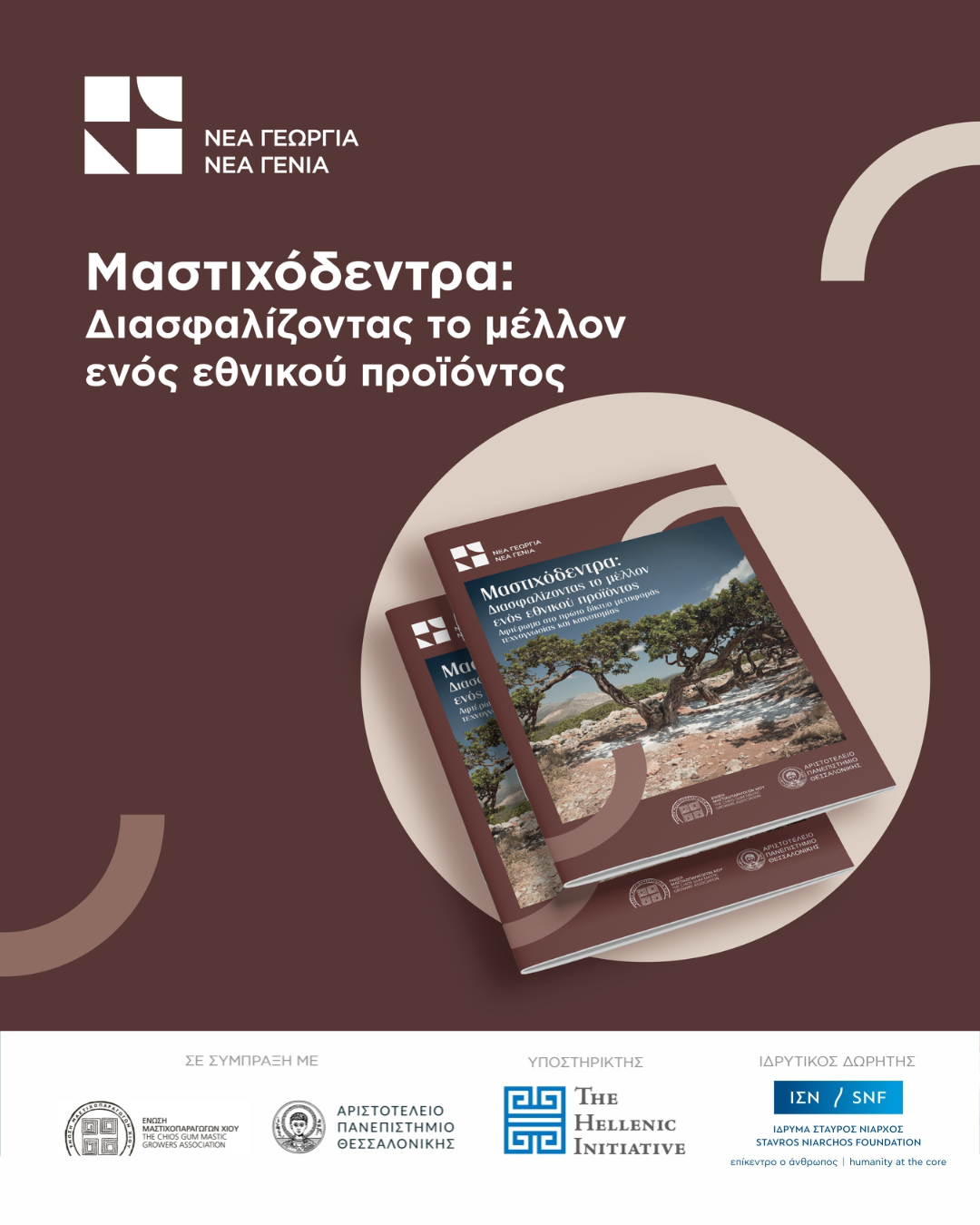
Available now: The new feature publication “Mastic Trees: Securing the Future of a National Product”

An initiative for knowledge and mastic cultivation

The publication was developed within the framework of the program “Mastic Trees: Securing the Future of a National Product – Knowledge Transfer and Innovation Network in Chios”, an initiative designed and implemented by New Agriculture New Generation, in collaboration with the Floriculture Laboratory of the School of Agriculture at Aristotle University of Thessaloniki and the Chios Gum Mastic Growers Association.

A knowledge and collaboration network for mastic cultivation

The publication aims to highlight the collective experience developed through the creation of a knowledge-sharing and collaboration network for mastic cultivation, based on peer-to-peer learning and on strengthening the connection between the scientific community and local production.

What the publication includes

The publication includes:

  • the history and methodology of the program,
  • the structure and operation of the knowledge transfer network,
  • educational and cultivation practices related to mastic production,
  • examples of modern agricultural education approaches,
  • outcomes and key findings of the initiative,
  • as well as testimonials from participants, partner organizations and scientific collaborators.

The importance of collaboration

Through its pages, the publication highlights the importance of collaboration among producers, universities, cooperative organizations and institutions, aiming to support the sustainable development of mastic cultivation and secure the future of a unique national product.

Program implementation and support

The program was co-funded by New Agriculture New Generation through the founding grant of the Stavros Niarchos Foundation (SNF) and by the Chios Gum Mastic Growers Association, while The Hellenic Initiative supported the extension of the program.

📘 The publication is available free of charge in Greek, in digital format, HERE.

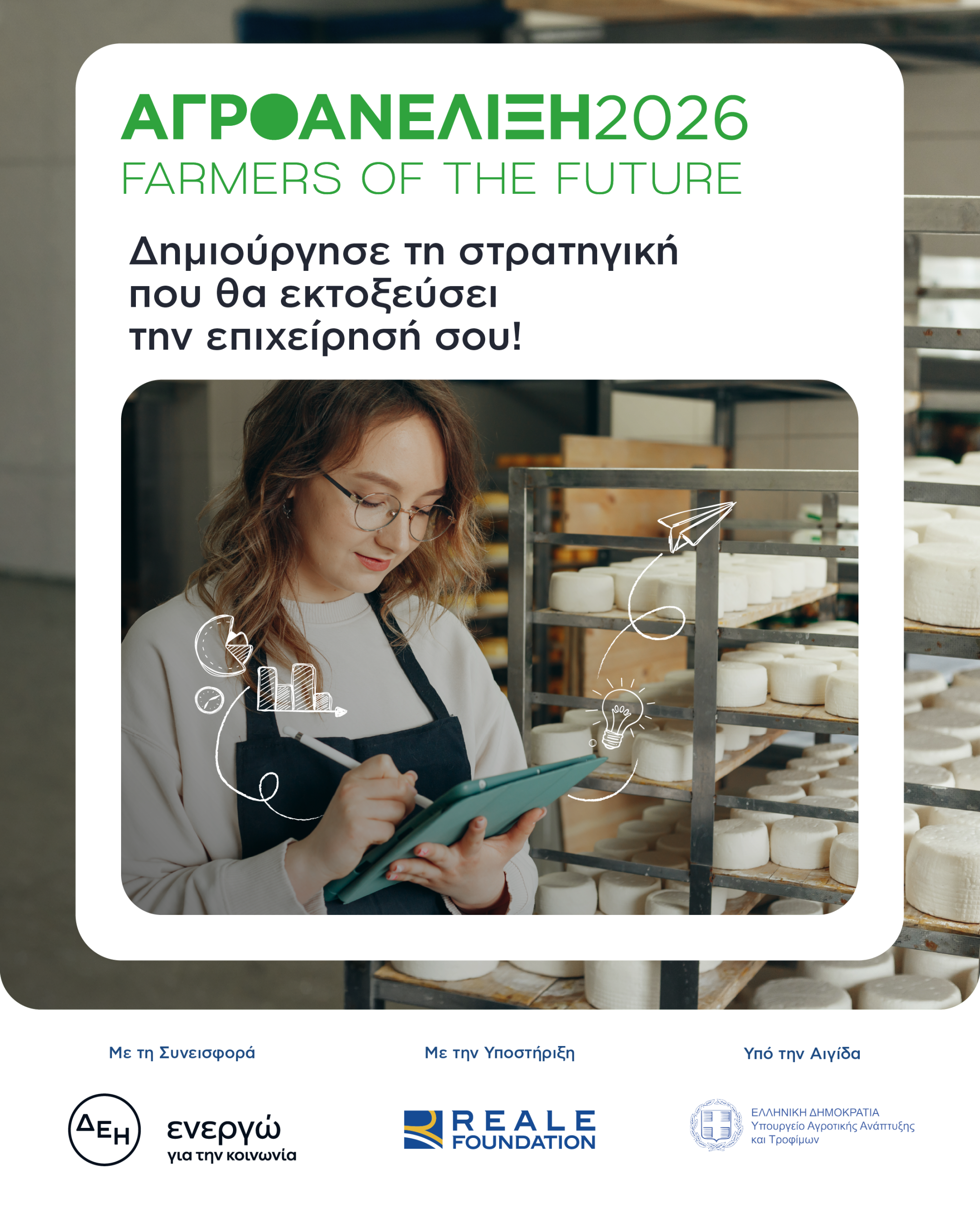
Launch of the 7th Edition of the “AgroAnelixi – Farmers of the Future” Agrifood Business Acceleration Program

Applications are now open for the 7th consecutive cycle of the “Agroanelixi – Farmers of the Future” business acceleration programme. The programme is addressed to farmers, livestock breeders, beekeepers, producer groups and cooperatives, as well as small food processing businesses and cottage industries seeking to improve existing products, develop new ones and enhance their added value and commercial potential.

Applications will be accepted from 24 June until 19 July 2026 via the website www.agroanelixi.gr.

The “AgroAnelixi – Farmers of the Future” accelerator is implemented by the organization New Agriculture New Generation, with the founding donation of the Stavros Niarchos Foundation (SNF), with the support of PPC and Reale Foundation, the charitable foundation of Reale Group, of which Ydrogios Insurance is also a member, aiming to strengthen small and growing businesses in the agri-food sector. The programme is under the auspices of the Ministry of Rural Development and Food.

Up to 15 agri-food businesses from across Greece will participate in the programme. Ten places are reserved for businesses from Crete, supported by PPC through its Shared Value Creation initiative “PPC Active for Society”, three places are reserved for participants from island and remote areas with the support of Reale Foundation, while up to two places are covered by New Agriculture New Generation.

Selected businesses will participate in specialised online workshops covering topics such as product development, food safety, marketing and branding, sales and exports, as well as business strategy. In parallel, they will receive personalised consulting support through one-to-one sessions with experienced advisors and on-site visits by experts to their production facilities, free of charge.

During the period 2020–2025, the programme supported 100 professionals and contributed to the development of 90 new or improved products. More than 850 hours of consulting support were provided and 80 on-site visits were conducted, while participant satisfaction reached 100% during the period 2023–2025.

Certificates of completion awarded upon successful completion of the programme are certified by ACTA. Following examinations, participants also have the opportunity to obtain a Certificate of Attendance in the Food Hygiene and Safety Vocational Training Programme delivered by a certified trainer of EFET (Hellenic Food Authority). The Specialist Awards offer beneficiaries complimentary participation in tasting awards competitions.

Application Submission

Interested individuals can learn more about eligibility criteria, terms, and conditions of the program and submit their online application at www.agroanelixi.gr.

Bridge to Employment: Future READY | An Initiative Empowering and Enhancing the Employability of 500+ Young People

Athens, 29 June 2026 – A new initiative to empower young people and bridge the gap between education and the labour market was presented today. The Bridge to Employment: Future READY (BE Future READY) programme, implemented by New Agriculture New Generation in partnership with ActionAid and with the support of Citi Foundation, aims to support more than 500 young people across Greece.

The programme was presented at the offices of Citi Greece in Athens, with the participation of Emilios Kyriakou, CEO and Head of Banking for Citi Greece, Cyprus & Malta, Effie Lazaridou, CEO of New Agriculture New Generation, Eva Polyzogopoulou, General Director of ActionAid Greece, and Dimitris Voloudakis, Programmes Director at New Agriculture New Generation.

Following a brief welcome by the representatives of the organisations implementing the programme, Mr Voloudakis presented its main features.

The Bridge to Employment: Future READY Programme

Bridge to Employment: Future READY will run until February 2028 and aims to build a meaningful and sustainable pathway to employment, placing particular emphasis on young people from vulnerable social and economic backgrounds, rural and semi-urban areas, as well as young people with migrant or refugee backgrounds.

The programme primarily targets young people aged 15–24, while a smaller percentage of participants aged 25–29 will also be eligible to take part.

Through a comprehensive portfolio of activities, the programme invests in developing skills that respond to the needs of today’s labour market, offering vocational training, Green Skills education, financial and digital literacy, career guidance, counselling services, mentoring, as well as direct networking opportunities with employers.

By leveraging New Agriculture New Generation’s CULTIVATE digital learning platform, the programme ensures that young people from different regions of Greece have access to educational resources, counselling services and professional development opportunities, regardless of where they live.

The Role of the Implementing Organisations

As the lead implementing organisation of the Bridge to Employment: Future READY programme, New Agriculture New Generation is responsible for the overall design, coordination and implementation of the programme’s activities. Building on its extensive experience and expertise in designing high-impact educational initiatives, the organisation develops actions that strengthen young people’s skills and create meaningful pathways to employment, with particular emphasis on the agrifood sector and the green economy.

Within the framework of the programme, ActionAid is responsible for implementing activities focused on developing financial, digital and employability skills. More specifically, through 10 experiential training camps, one business ideas Hackathon, 100 personalised mentoring sessions, two Job Fairs in Athens and Thessaloniki, ten employability skills seminar cycles, and collaborations with employers, among other activities, the programme aims to equip young people with the knowledge, confidence and opportunities they need to plan their next professional steps.

The Programme’s First Action

The programme’s first educational initiative is the Green Skills training cycle, implemented by New Agriculture New Generation and launching on 31 July 2026. It will provide participants with knowledge and skills related to sustainable development, the green economy and modern practices in the agrifood sector.

The programme includes four training cycles of 60 hours each, targeting the participation of 240 young people, who will receive ACTA certification upon successful completion. It is delivered entirely online through the CULTIVATE platform, combining asynchronous learning, educational resources, self-study and assessment, and will remain available until December 2027.

Partnership with Citi Foundation

This marks the second time that New Agriculture New Generation has been selected by Citi Foundation as part of the Global Innovation Challenge, having previously been recognised in 2023 for the Social Farming 360 programme, implemented in collaboration with the General Secretariat for Anti-Crime Policy, ActionAid and Freedom Gate. At the same time, the organisation also participates in another Global Innovation Challenge initiative led by PRAKSIS, focusing on the labour market integration of people experiencing housing insecurity.

More information is available at BEFUTUREREADY.GR.

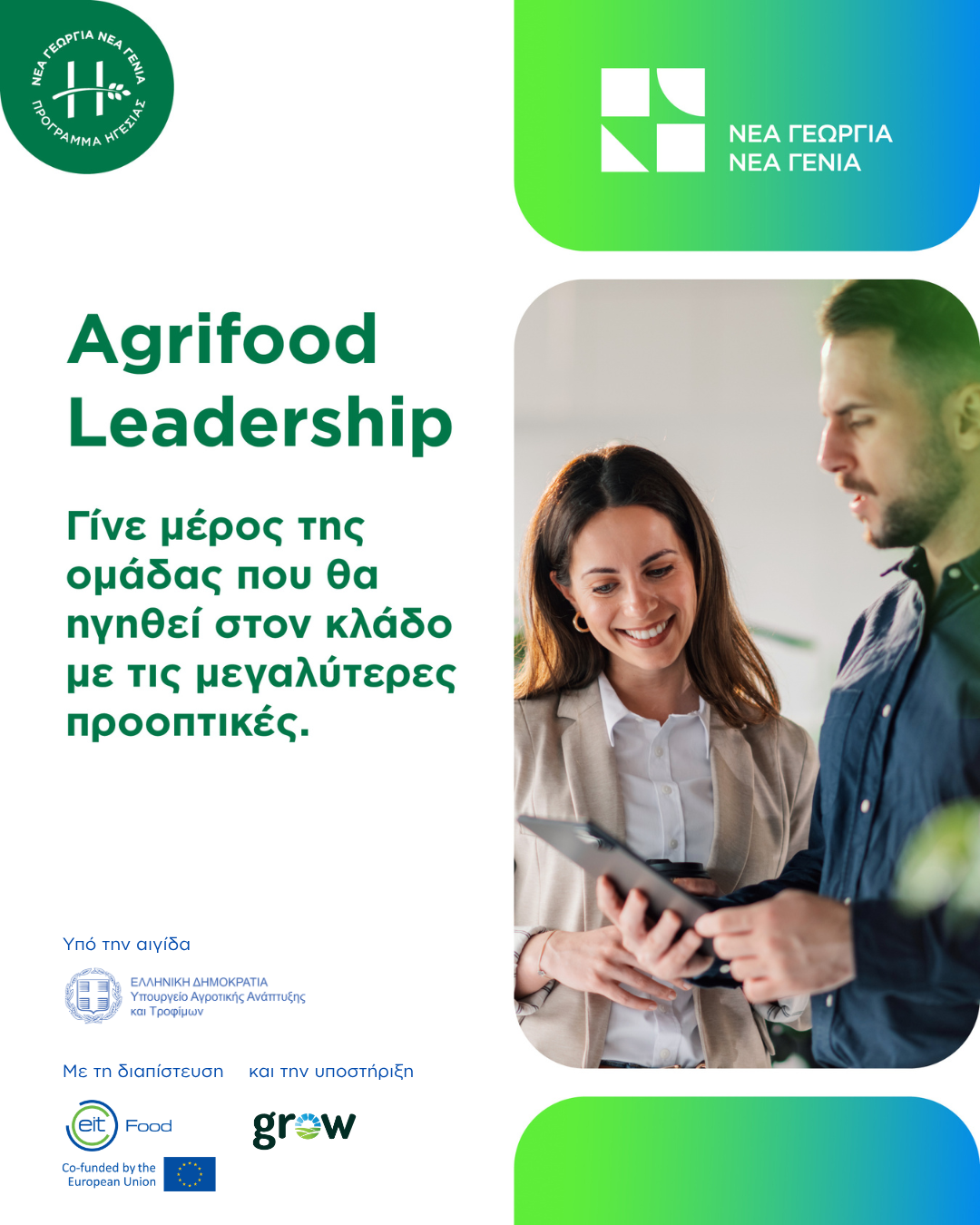
Applications Open for the 2026–2027 Agrifood Leadership Programme – Now Awarded the EIT Label

Applications Open for the New Agrifood Leadership Cycle

The organization New Agriculture New Generation announces the opening of applications for the 2026–2027 Agrifood Leadership programme, the first and only specialised leadership programme dedicated exclusively to the agrifood sector in Greece.

The new cycle will run from November 2026 to June 2027 and, for the first time, is held under the auspices of EIT Food. The programme has also been officially awarded the EIT Label, one of Europe’s leading quality certifications for education programmes in innovation and entrepreneurship.

What the EIT Label Certification Means

The EIT Label is a mark of excellence awarded to education and training programmes that meet the quality standards of the European Institute of Innovation and Technology (EIT), with a strong focus on educational design, skills development and measurable impact.

The EIT Label awarded to Agrifood Leadership by EIT Food confirms the programme’s high quality and impact, placing the learner at the centre of the educational experience while supporting the sustainable transformation of the agrifood system.

Who the Programme Is For

The programme is designed for executives, entrepreneurs, farm owners, members of agricultural cooperatives and producer groups, professionals working in agricultural banking, as well as public sector professionals active in the agrifood sector.

It also targets emerging middle and senior managers taking on leadership responsibilities who wish to invest systematically in their personal and professional development within a certified European quality framework.

What the Programme Offers

The programme aims to strengthen strategic thinking, effective communication and team leadership while providing in-depth knowledge of key agrifood challenges, including climate resilience, the agricultural economy, innovation in food processing and retail, marketing, and decision-making at both national and European levels.

Following three successful programme cycles, Agrifood Leadership has already supported the development of 49 professionals working across the agrifood value chain.

Programme graduates now form a vibrant alumni community that collaborates, exchanges best practices and co-creates initiatives with a positive impact on the Greek agrifood sector, further enhancing the programme’s long-term value and network.

Agrifood Leadership combines immersive three-day educational journeys across different regions of Greece and Brussels with online learning, offering more than 120 hours of training, workshops and networking activities.

Participants will have the opportunity to visit decision-making institutions, businesses and organisations within the agrifood ecosystem, take part in leadership simulations and connect with a dynamic network of professionals in Greece and abroad.

The learning experience is designed around experiential learning, collaborative work and practical application, enabling participants to immediately apply the knowledge and skills they acquire.

Programme Delivery and Partnerships

Agrifood Leadership is implemented by New Agriculture New Generation under the academic guidance of Rutgers University, New Jersey, USA, in collaboration with and with the support of leading companies from the Greek agrifood ecosystem.

The programme was established through the founding grant of the Stavros Niarchos Foundation (SNF).

The EIT Label certification awarded by EIT Food complements the programme’s existing strategic partnerships while further strengthening its international profile by integrating it into the European ecosystem of professional education and innovation in the food sector.

Applications

Applications are submitted online through the programme’s OFFICIAL WEBSITE.

The number of available places is limited, and participants will be selected following an evaluation and interview process.

Interested applicants are encouraged to apply early to secure a place in a programme that combines an international perspective, high-quality education and European quality certification.

For more information about Agrifood Leadership and the new programme cycle, please visit agrifoodleadership.newagri.org or contact New Agriculture New Generation.

White Paper on Greek Local Products, PDO and PGI Products, and Health Claims

As part of the “Making the Most of the Advantage: Strategies for Local Products and PDO and PGI Products with Health Claims” programme, New Agriculture New Generation edited and published a collective white paper bringing together perspectives, expertise and strategies on the importance of health claims for local products, particularly those with Protected Designation of Origin (PDO) or Protected Geographical Indication (PGI) status. The programme was implemented through the founding grant of the Stavros Niarchos Foundation (SNF) and with the support of CrediaBank.

The white paper brings together 11 authors, including scientists, researchers, specialists and professionals from across the agrifood sector.

It also presents the results of analyses of eight Greek local products of high nutritional value from different regions of the country. Five of these products have PDO or PGI status.

Why Health Claims Matter

Greece is home to high-quality local products, including those with PDO or PGI status. Local ecosystems, environmental conditions and climates help shape products with distinctive characteristics and an authentic regional identity. International competition is strong, however, and many countries also produce foods with a distinct identity. Greek producers need to make the most of their products’ strengths to remain competitive.

Research points to strong international interest in foods with high nutritional value. Producers therefore need to identify and highlight the nutritional value of their products and the health claims that can be made about them. This requires scientific evidence, compliance with EU regulations and clear, credible communication. By using permitted nutrition and health claims responsibly, producers can strengthen the market position of high-quality Greek foods, including PDO and PGI products.

The White Paper

The white paper brings together practical information to help producers and institutions working in the agrifood sector understand the strategic value of using health claims.

It explains:

  • Why health claims matter for food products.
  • How health claims are scientifically substantiated.
  • The applicable legal and regulatory framework.
  • The conditions for using nutrition claims.
  • How health claims can be used commercially.
  • How local products connect to the identity of a place.
  • Opportunities for branding, sales and exports.
  • The role of good agricultural practices.

The appendix presents eight Greek products whose health claims had previously been substantiated.

The products analysed were:

  • Pieria kiwifruit (PGI)
  • Almonds from Sykourio in the Ossa area
  • Zagora apples from Mount Pelion (PDO)
  • Maleme oranges from Chania, Crete (PDO)
  • Giant elephant beans from Prespa, Florina (PGI)
  • Avocados from Chania
  • Dried figs from Messinia
  • Black Corinthian currants (PDO)

These examples show how a product’s origin, quality and nutritional composition can inform a broader market positioning strategy that follows the rules for scientific substantiation and communication.

The white paper also explores how businesses can develop regional or thematic product portfolios that combine scientific evidence, standardisation, storytelling about product origins and commercial development. This can help businesses establish a clearer position in markets where consumers value authenticity, transparency, quality and reliable information.

A Resource for the Agrifood Sector

The white paper is intended for farmers, producer groups, cooperatives, food businesses, marketing and export professionals, researchers, advisers and policymakers.

For businesses and cooperatives, it can serve as an introductory guide to connecting scientific knowledge with commercial strategy. It opens up a discussion on how they can better plan investments in product analysis, product development, labelling, branding and access to new markets.

For public and regional authorities, the white paper highlights the need for coordinated support across the value chain that extends beyond individual promotional activities. This includes access to technical support, laboratory facilities, training, advisory services, compliance tools and networks for collaboration. With these resources in place, local products can contribute more to competitiveness, employment, exports and sustainable development in rural Greece.

Collaboration Across Disciplines

The authors include scientists and professionals from agrifood, biochemistry, marketing, business development, finance and tourism. Their combined expertise allows the white paper to examine the scientific and legal aspects of health claims and their role in a broader development strategy.

The white paper was produced under the programme of the same name, “Levering the Advantage: Strategies for Local Products and PDO and PGI Products with Health Claims” (2025–2026). New Agriculture New Generation implemented the programme through the founding grant of the Stavros Niarchos Foundation (SNF) and with the support of CrediaBank.

The programme provided training to 17 businesses and cooperatives and 19 beneficiaries. The training helped them understand the regulatory framework and certification procedures, use health claims effectively in their strategies, and strengthen their competitiveness in domestic and international markets. Each beneficiary received 15 hours of self-paced training and four hours of one-to-one advisory support. The programme also included an information event held in Athens on 31 May 2026. The event content was made freely available through the organisation’s channels and can be viewed here (Hyperlink).

The programme built on an earlier initiative, “Enhancing the Position of Greek Local Products of High Nutritional Value, Including PDO and PGI Products: Substantiating Health Claims and Supporting Local Production” (2023–2024). New Agriculture New Generation implemented the initiative through the founding grant of the Stavros Niarchos Foundation (SNF), in partnership with the University of Thessaly and with the support of the National Union of Agricultural Cooperatives (ETHEAS). This earlier initiative substantiated the health claims for the eight products featured in the white paper’s appendix.

The white paper makes some of the expertise gained through these programmes available to a wider audience.

New Agriculture New Generation warmly thanks everyone who contributed to the white paper and encourages readers to share it with credit to the source.

Download the white paper (available in Greek) to explore the opportunities for Greek local products, including those with PDO or PGI status.

The organization Nea Georgia Nea Genia is a non-profit organization.