Νέα Γεωργία Νέα Γενιά

Climate Leadership and Personal Branding – 7th Educational Session of Agrifood Leadership 2025–2026 in Kalavryta

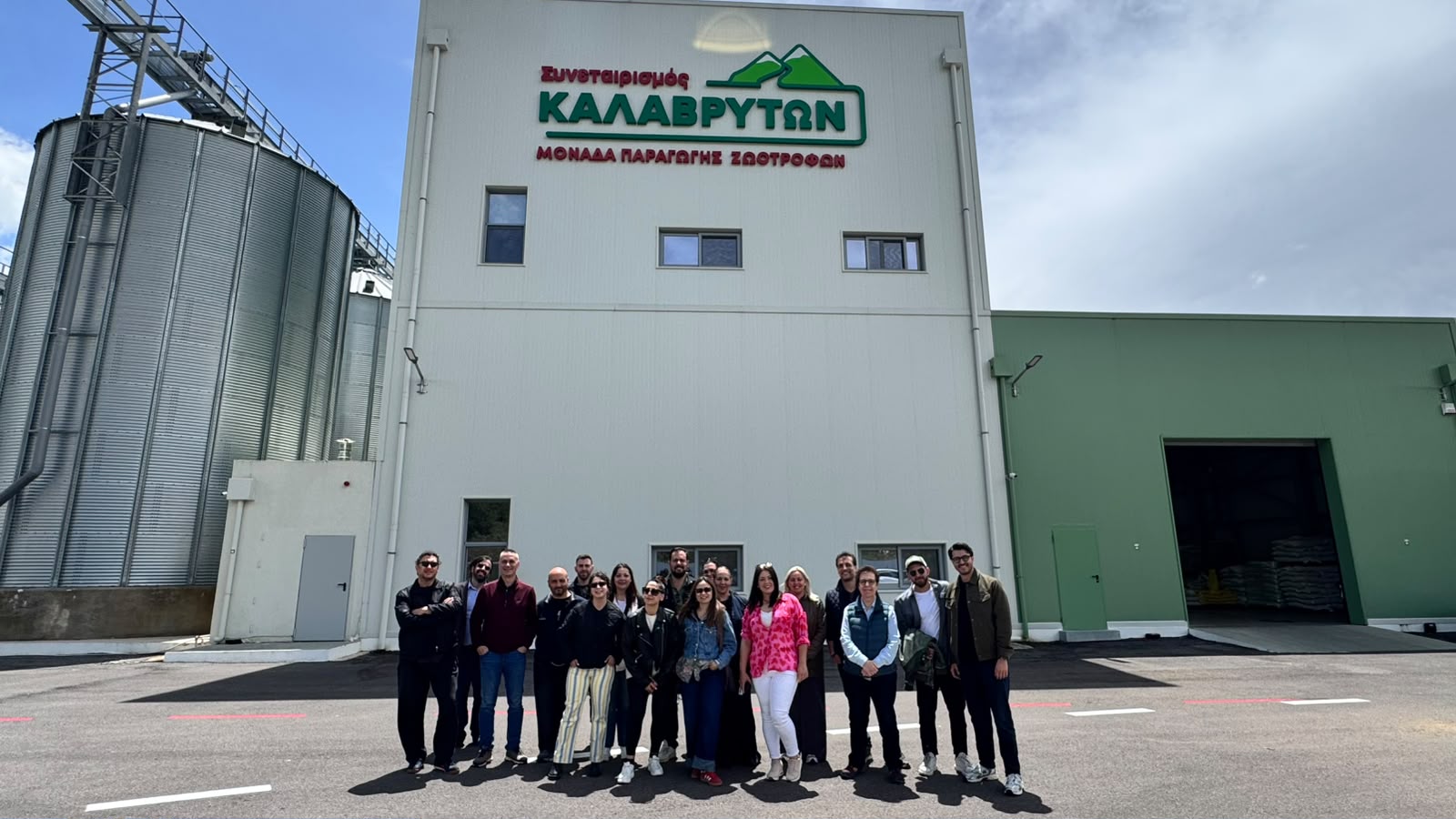
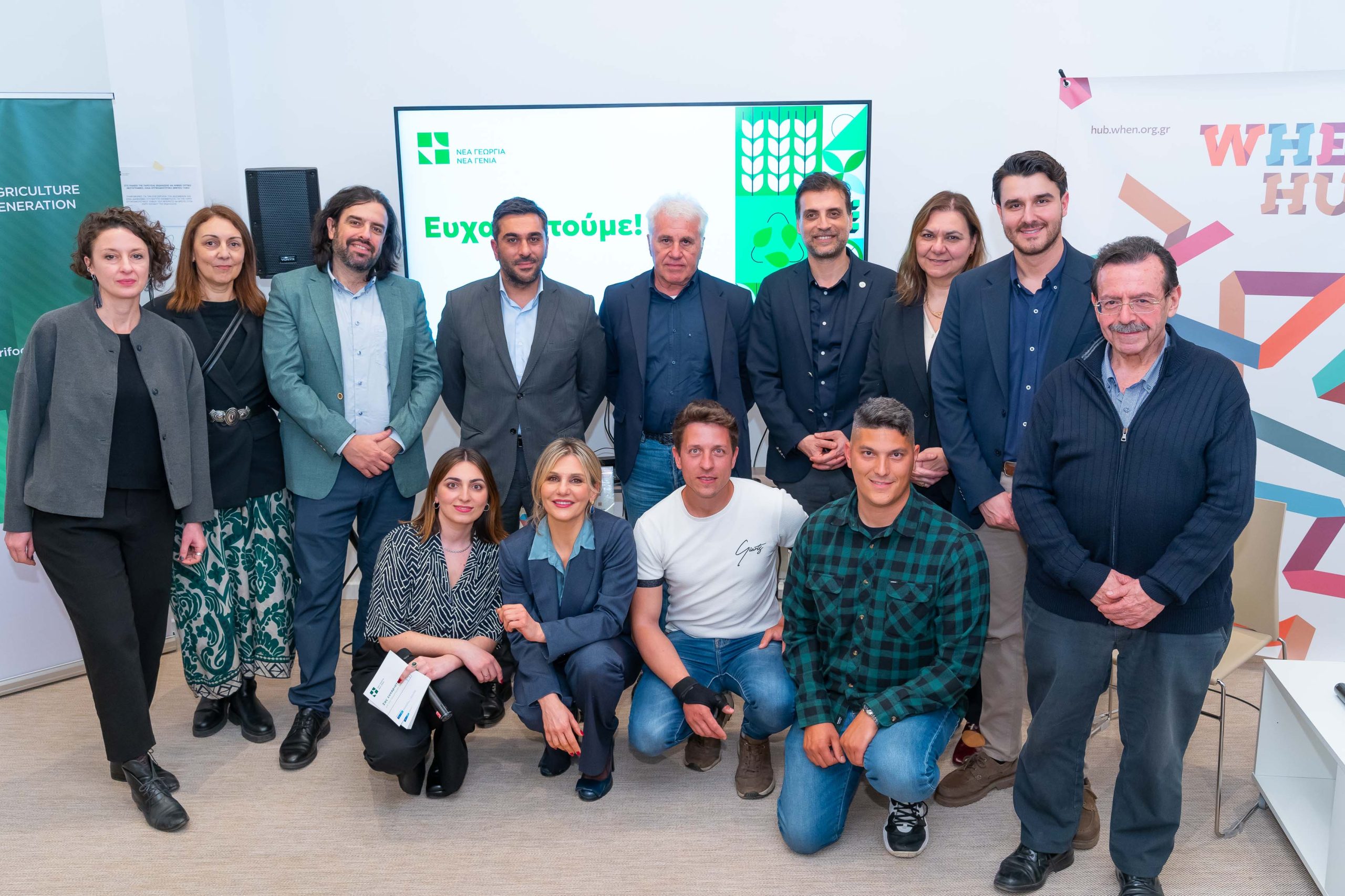
The 7th educational session of the Agrifood Leadership 2025–2026 program was successfully completed in Kalavryta from Friday, May 15 to Sunday, May 17, 2026, featuring the thematic units “Climate Leadership: Enhancing Agrifood Resilience” with trainer Dr. Dimitris Voloudakis and “Social Media & Personal Branding” with trainer Sotiris Katselos.

The Agrifood Leadership 2025–2026 program is implemented by the organization New Agriculture New Generation under the auspices of the Hellenic Ministry of Rural Development and Food. Rutgers University (USA) serves as the Technical and Strategic Advisor of the program. Sponsor of the educational session was the Agricultural Dairy Cooperative of Kalavryta.

The program was created through the founding grant of the Stavros Niarchos Foundation (SNF).

Climate leadership and resilience in the agrifood sector

During the educational session, participants had the opportunity to deepen their understanding of the modern challenges faced by the agrifood sector due to climate change through the training delivered by Mr. Dimitris Voloudakis, General Programs Director, New Agriculture New Generation. His presentation focused on the concept of climate leadership and the importance of developing resilient agrifood systems capable of responding to continuously changing environmental and economic conditions. At the same time, the role of innovation, collaboration and sustainable natural resource management was highlighted as a key factor in strengthening resilience and promoting the sustainable development of the agricultural sector.

Social Media and Personal Branding in the modern agrifood sector

Through the training delivered by Mr. Sotiris Katselos, Communications Director, New Agriculture New Generation, participants explored the importance of Social Media and Personal Branding in the modern agrifood and food sector. The training focused on how professionals and food businesses can leverage digital media to strengthen their outreach and visibility, as well as promote their products more effectively. Particular emphasis was placed on authentic communication, strategic content creation and the development of a strong professional identity through practical examples and contemporary digital practices.

Educational visit to the facilities of the Kalavryta Cooperative

Animal feed production unit and dairy production unit

On the following day of the educational session, participants visited the facilities of the Agricultural Dairy Cooperative of Kalavryta, where they had the opportunity to gain first-hand insight into the operation of its production units and the overall organization of cooperative activities.

At the dairy production unit, participants observed the milk reception stage and the milk processing procedure, with particular emphasis on feta cheese production, from raw material to final product, highlighting the key stages of the production process and the continuous quality control applied at every stage.

Similarly, at the animal feed production unit, participants were introduced to the operation of the facility and the logistics processes implemented for the organization, storage and distribution of feed supplies to cooperative members, highlighting the crucial role of smooth supply flow and resource management in supporting the production process.

Inspiration through cooperative philosophy

A particularly important moment of the program was the meeting with Mr. Pavlos Satolias, President of the Agricultural Dairy Cooperative of Kalavryta and President of ETHEAS, during which participants had the opportunity to learn more about the history, values and development path of the cooperative. Through his presentation, the critical role of the cooperative model in strengthening local production, collective action and the sustainable development of rural Greece was highlighted.

At the same time, Mr. Satolias shared insights and experiences regarding the operation and evolution of the cooperative, placing emphasis on its organizational structure, collective strategy and contribution to strengthening the agrifood supply chain. Finally, reference was made to the development opportunities and challenges currently faced by cooperative schemes within the modern conditions of the agricultural sector.

Visit to the Municipal Museum of the Kalavryta Holocaust

As part of the educational session, beneficiaries also had the opportunity to visit the Municipal Museum of the Kalavryta Holocaust, where they were welcomed and guided by the Mayor of Kalavryta, Mr. Thanasis Papadopoulos. Through the guided tour, participants became acquainted with the tragic history of this historic town.

Acknowledgements and supporters

New Agriculture New Generation warmly thanks the Agricultural Dairy Cooperative of Kalavryta for its valuable support and hospitality in Kalavryta, as well as for the educational visits to the animal feed production unit and dairy production unit of the Cooperative.

Supporters of the remaining educational sessions of the program are: the Consortium of Cooperatives and Producer Groups of Imathia, the Agricultural Poultry Cooperative of Ioannina PINDOS, the Chios Gum Mastic Growers Association, COMPO EXPERT and Lidl Hellas.

The program is also supported by NBIS.
Agrifood Leadership 2025–2026 | Educational Visit to Brussels

Educational visit to Brussels within the framework of Agrifood Leadership 2025–2026

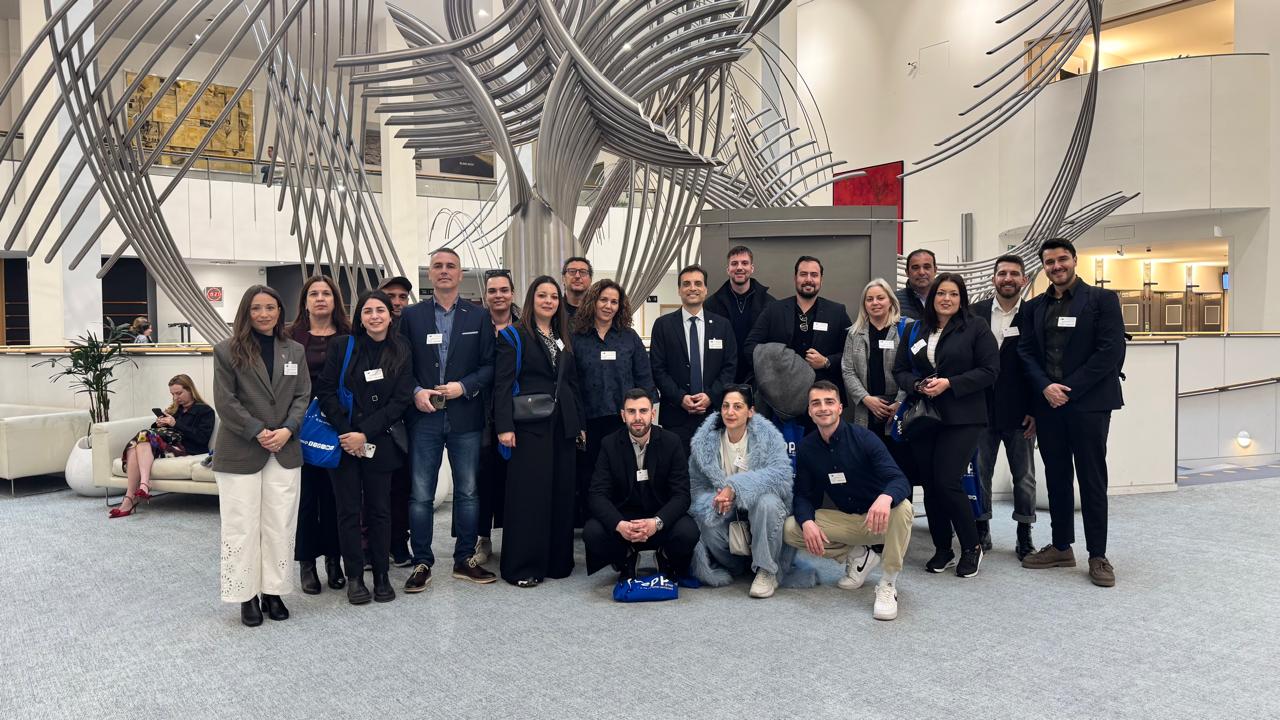
Within the framework of the Agrifood Leadership 2025–2026 program, an educational visit to Brussels took place from April 21 to April 23, 2026, with the participation of the program’s fellows. The program is the first specialized Leadership initiative in the agrifood sector implemented by New Agriculture New Generation.

Participants had the opportunity to visit key European decision-making institutions and engage with international best practices in agriculture and food systems.

The Agrifood Leadership 2025–2026 program is implemented by New Agriculture New Generation under the auspices of the Ministry of Rural Development and Food. Rutgers University (USA) serves as the program’s Technical and Strategic Advisor.

The program was established through the founding donation of the Stavros Niarchos Foundation (SNF).

Visit to the European Parliament

During the visit, participants toured the European Parliament and gained a deeper understanding of the role and function of European institutions.

As part of the visit, they met with Member of the European Parliament Mr. Tsiodras, exchanging views on the challenges and future prospects of the agrifood sector, with a focus on sustainability, innovation, and supporting the next generation of producers.

Visit to the Permanent Representation of Greece to the European Union

Participants also visited the Permanent Representation of Greece to the European Union, where they engaged in discussions with Deputy Permanent Representative Mr. Efthymios Kostopoulos and Ms. Aikaterini Tsakoumi.

The discussion focused on the role of the Representation and the negotiation processes among EU Member States on agricultural policy matters.

Visit to DG AGRI of the European Commission

A key part of the visit was the session at the Directorate-General for Agriculture and Rural Development (DG AGRI) of the European Commission, where participants were introduced to the Common Agricultural Policy and its implementation across EU Member States.

The session covered the progress of the Greek Strategic Plan, recent developments, and ongoing negotiations for the Common Agricultural Policy post-2028, as well as policies supporting rural development.

Visit to BELORTA Cooperative

The educational experience concluded with a visit to the BELORTA cooperative, where participants toured the facilities and observed firsthand the auction system for agricultural products, a model connecting producers and traders in real time.

Program supporters

Supporters of the remaining educational activities of the program include:
Consortium of Producer Groups of Imathia, Agricultural Poultry Cooperative of Ioannina PINDOS, COMPO EXPERT Hellas, Chios Mastiha Growers Association, and Lidl Hellas.

The program is also supported by NBIS.
About New Agriculture New Generation

New Agriculture New Generation is a non-profit organization that supports the sustainable development of rural Greece and accelerates the transformation of the agrifood sector through initiatives of national and local scope, with significant socio-economic impact.

Since 2018, more than 33,000 beneficiaries and professionals have engaged with the organization through programs focused on skills development, knowledge transfer, innovation, and entrepreneurship across Greece.

The 5th Educational Session of Agrifood Leadership 2025–2026 in Patras Focuses on Agricultural Economics and Policy

The 5th Educational Session of the Agrifood Leadership 2025–2026 program in Patras

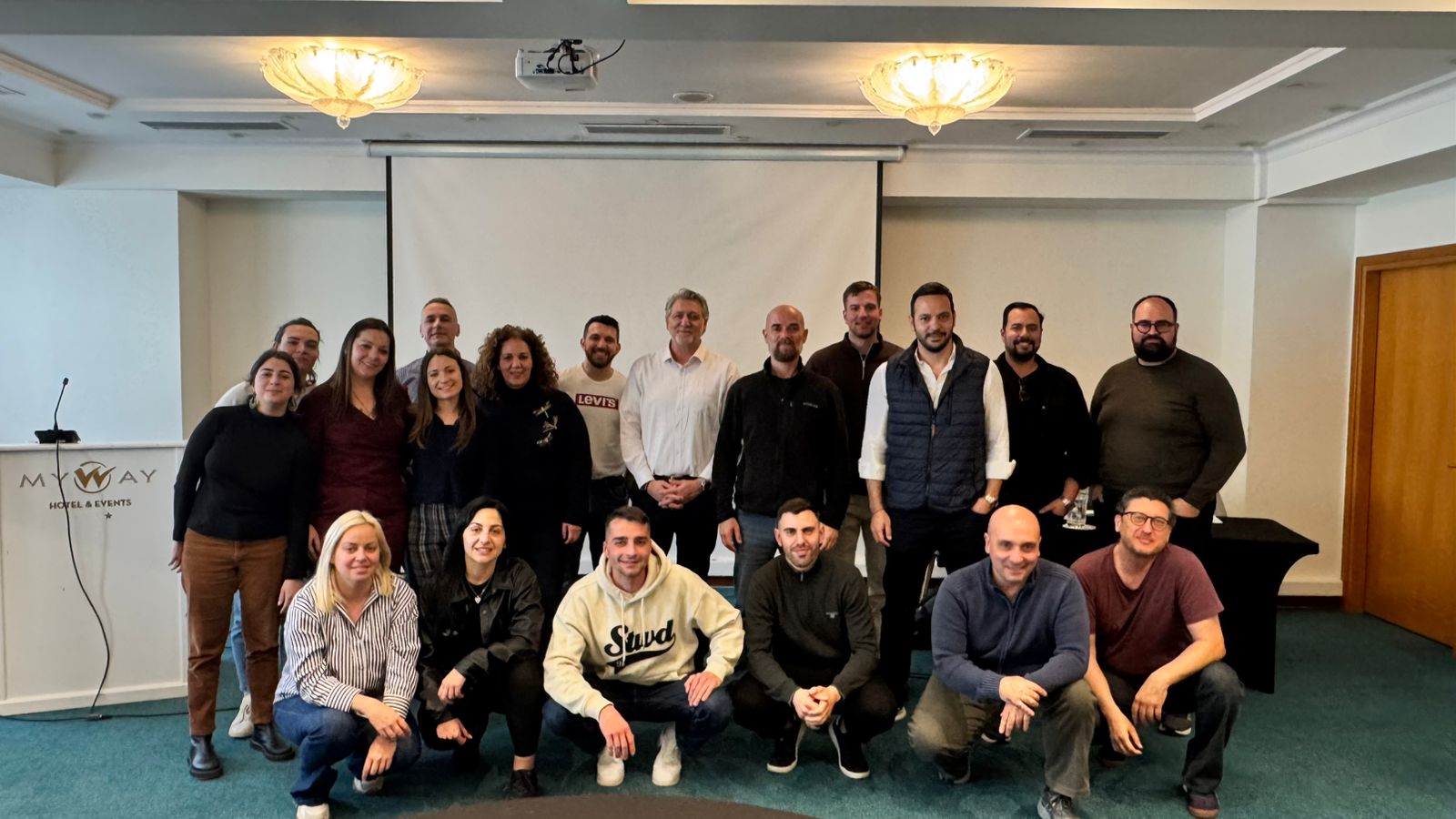
The 5th educational session of the Agrifood Leadership 2025–2026 program was successfully completed, taking place in Patras from Friday, March 27 to Sunday, March 29, 2026, under the thematic area “Agricultural Economics and Agricultural Policy”.

The session was led by Stathis Klonaris, Professor at the Agricultural University of Athens, who guided participants through an in-depth understanding of the fundamental principles of agricultural economics and the contemporary policies shaping the sector.

The Agrifood Leadership 2025–2026 program is implemented by the organization New Agriculture New Generation and operates under the auspices of the Ministry of Rural Development and Food. The technical and strategic advisor of the program is Rutgers University USA. The sponsor of the educational session was COMPO EXPERT.

The program was created through the founding grant of the Stavros Niarchos Foundation SNF.

Deepening Knowledge in Agricultural Economics and the CAP

During the educational session, participants had the opportunity to explore the structure of agricultural economics in Greece and Europe, as well as to analyze the key principles and perspectives of the Common Agricultural Policy CAP for the period 2023–2027.

Particular emphasis was placed on the role of the European Union in shaping agricultural strategy, as well as on the challenges and opportunities emerging for the future of the agricultural sector.

Connecting with International Markets and Exports

A highlight of the session was the presentation titled Cultural Barriers in Export Trade by Konstantinos Oraiopoulos, General Manager Greece and Balkans at COMPO EXPERT.

The presentation highlighted cultural differences that affect international trade relations, along with practical adaptation strategies for effective entry into new markets, strengthening the export potential of businesses.

Educational Visit to the Industry

As part of the session, an educational visit was held at the COMPO EXPERT factory in Patras, offering participants a comprehensive view of the production process in the fertilizer industry.

The tour was conducted by Panagiotis Rigopoulos, General Manager of the factory, who presented the key stages of production, as well as quality assurance, storage, and product distribution processes.

The organization New Agriculture New Generation warmly thanks COMPO EXPERT for its valuable support and hospitality to the participants in Patras.

Supporters of the remaining educational sessions of the program are the Cooperative of Producer Groups of Imathia, the Agricultural Poultry Cooperative of Ioannina PINDOS, Lidl Hellas, and the Chios Mastiha Growers Association.

The program is also supported by NBIS.
The final event of the “Mastiha Trees” programme was successfully held

The final event of the “Mastiha Trees” programme was successfully held

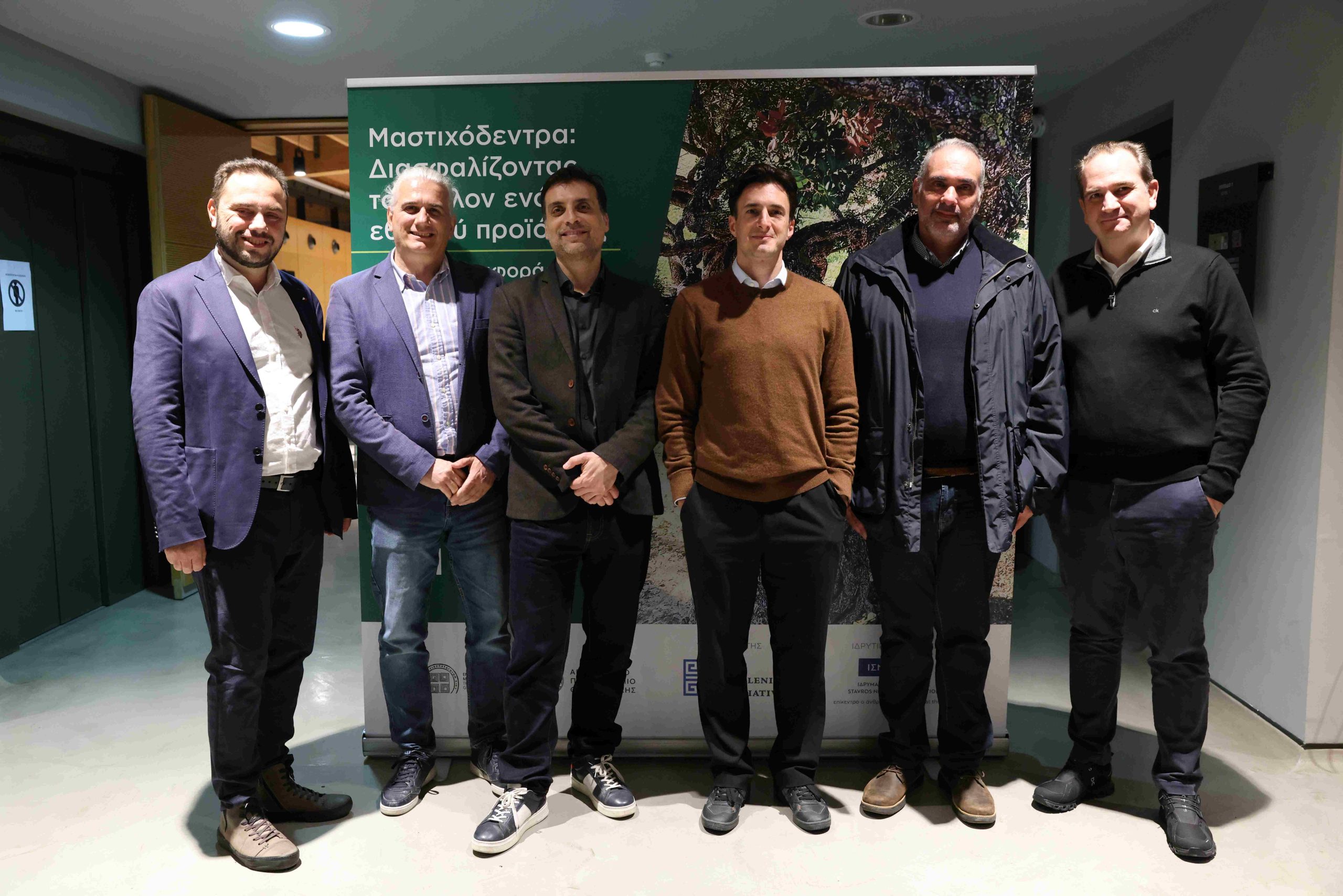
The final event of the programme “Mastiha Trees: Safeguarding the future of a national product” was successfully held on Friday, March 27, in Chios, at the Chios Mastic Museum.

In a fully attended venue, the work and results of the first knowledge and innovation transfer network in mastic cultivation in Greece were presented, highlighting its importance both for the future of mastic and as a model for other crops.

An innovative farmer-to-farmer knowledge transfer network

The programme “Mastiha Trees: Safeguarding the future of a national product – Knowledge and Innovation Transfer Network in Chios” was designed and implemented through the collaboration of the organization New Agriculture New Generation, the Chios Mastic Growers Association, and the Aristotle University of Thessaloniki, with the participation of a specialized scientific team and under the coordination of Associate Professor Stefanos Chatzilazarou.

The programme is co-funded by the organization New Agriculture New Generation through the founding grant of the Stavros Niarchos Foundation (SNF), The Hellenic Initiative (THI), and the Chios Mastic Growers Association.

As part of the initiative, approximately 300 mastic growers have participated in training activities, delivered both by scientists and a group of 24 trained producers, through a “farmer-to-farmer” model.

The programme was awarded at the Bravo Sustainability Dialogue & Awards 2024, in the category “Protection of Biodiversity”.

The event

The event opened with a welcome address by Ms. Eleni Paidousi, local manager of the Chios Mastic Museum.

This was followed by remarks from representatives of the participating organizations, namely:

  • Georgios Toumpas, President of the Board, Chios Mastic Growers Association
  • Michalis Printzos, Head of THI Greece, The Hellenic Initiative
  • Stefanos Kostas, PhD, Laboratory Teaching Staff, Floriculture Laboratory, Aristotle University of Thessaloniki
  • Dr. Dimitris Voloudakis, General Programs Director, New Agriculture New Generation

A common conclusion among the speakers was that collaboration and participation were key to the success of this pioneering initiative for Greek agriculture, focused on a critical national product such as mastic.

Presentations and key topics

The main part of the event included presentations on the programme’s impact and future prospects. Specifically, the following presentations took place:

Knowledge as a tool for sustainability in mastic cultivation
Speaker: Dimitris Voloudakis, New Agriculture New Generation

The impact of an innovative programme: conclusions and future perspectives
Speaker: Kalliopi Karampoiki, Capacity Building Senior Manager, New Agriculture New Generation

The contribution of inscription to the promotion and development of mastic cultivation
Speaker: Stavroula Fotopoulou, Director of Modern Cultural Heritage, Ministry of Culture

The event concluded with remarks by Stefanos Chatzilazarou, Associate Professor, Aristotle University of Thessaloniki.

Conclusions

The success of the event marks the culmination of the overall success of the programme “Mastiha Trees: Safeguarding the future of a national product” and demonstrates that Greece has the capacity to develop effective knowledge transfer networks with the active participation of producers.

The programme has established a strong foundation for the future, contributing substantially to strengthening the resilience of mastic cultivation.

Acknowledgements

Special thanks to the Piraeus Bank Group Cultural Foundation for its support in the programme’s closing event, and to the Municipality of Chios for providing the Homerion Cultural Centre.

How nutritional value is reshaping the prospects of PDO and PGI products: Insights from a national initiative by New Agriculture New Generation

The final event of the “Leveraging the Advantage” programme was successfully held

With strong participation and active dialogue among experts, scientists and producers, the final event of the programme “Leveraging the Advantage: Strategies for Local Products and PDO-PGI Products with Health Claims” was held on Tuesday, March 31, 2026, at WHEN Hub in Athens.

The programme is implemented by New Agriculture New Generation through the founding grant of the Stavros Niarchos Foundation (SNF) and with the support of CrediaBank.

Within a dynamic and contemporary setting, presentations and discussions highlighted the role of local products of high nutritional value as a driver of sustainable development, enhanced competitiveness and stronger links with tourism and markets.

Institutional insights and strategic direction

The event opened with remarks by Antonis Filippis, Secretary General for Agricultural Policy and International Relations at the Ministry of Rural Development and Food, who emphasized the importance of PDO and PGI products for agricultural policy and international markets. He highlighted the need to leverage health claims and underlined the importance of traceability and collaboration.

This was followed by Efthymia (Effie) Lazaridou, CEO of New Agriculture New Generation, who presented the organization’s strategic decision to support PDO and PGI products through a national initiative launched four years ago, with the contribution of ETH.E.A.S., the University of Thessaly, and the founding grant of the Stavros Niarchos Foundation. She also referred to a forthcoming collective publication (White Paper) that will be made available free of charge to producers.

Regina Aslanoglou, Chief Sustainability Officer of CrediaBank, highlighted the bank’s strategic commitment to supporting the real economy and the primary sector, particularly when linked to initiatives related to health and sustainability.

Key presentations and thematic discussions

During the main part of the event, Fotis Tekos, CEO of Foodoxys and scientific partner of the programme, presented the “value cycle” of PDO-PGI products, demonstrating how health claims can enhance their identity and market potential, especially in the context of evolving dietary trends.

Travel journalist Maya Tsokli, as keynote speaker, explored the role of local products as a narrative element for destinations, linking authenticity and taste with wellbeing and sustainable identity.

A fireside chat followed between Maya Tsokli and Yianna Balafouti, Senior Editor and Food Product Development Mentor, with contributions from Antonis Filippis and Effie Lazaridou, focusing on practical challenges faced by producers in leveraging PDO-PGI identity for exports and agritourism.

Dialogue on exports and financing

A discussion on international trade agreements and export opportunities for PDO-PGI products followed, featuring Christos Giannakakis, President of COGREXPO S.A. and Vice President of ETH.E.A.S., and Dimitris Voloudakis, General Programs Director at New Agriculture New Generation.

The discussion highlighted the need for increased collaboration and scale in production to support sustainable export strategies.

This was followed by a discussion on the role of the financial system in the commercial development of high-nutritional-value products, with Marios Vougioukas, Director – Small Business Strategy at CrediaBank, and Sotiris Katselos, Communications Director at New Agriculture New Generation. The discussion emphasized the need for specialized financial solutions that support sustainability, competitiveness and extroversion.

The programme and its beneficiaries

The programme “Leveraging the Advantage: Strategies for Local Products and PDO-PGI Products with Health Claims” constitutes the second phase of a national initiative by New Agriculture New Generation to enhance the value of products with geographical indications.

Its objective is to strengthen the competitiveness of Greek products of high nutritional value by leveraging health claims as a tool for differentiation, market positioning, exports and sustainable growth.

A total of 17 businesses and cooperatives participated in the programme, with 19 individuals attending.

Participants represented a wide range of sectors, including olive oil, dairy products, legumes, cereals, nuts, fruits and PDO products. The programme included 15 hours of asynchronous training and 4 hours of personalized consulting per participant.

Conclusions

The event concluded with interventions from programme beneficiaries and an open discussion with the audience, reinforcing the importance of knowledge, collaboration and strategic planning in unlocking the potential of PDO and PGI products.

Building and Working with the Team – The 4th Training Session of Agrifood Leadership 2025–2026 in Thessaloniki

The 4th training session of the Agrifood Leadership 2025–2026 program was successfully completed in Thessaloniki from Friday, February 13 to Sunday, February 15, 2026. The session focused on the theme “Building and Working with the Team” and was led by Anastasia Sarchosoglou, Agronomist – Food Scientist, MSc-Med, Innovation & Entrepreneurship Consultant in the Agrifood Sector.

The Agrifood Leadership 2025–2026 program is implemented by New Agriculture New Generation under the auspices of the Ministry of Rural Development and Food. Rutgers University (USA) serves as the program’s Technical and Strategic Advisor. The training session was sponsored by LIDL HELLAS.

The program was established through the founding donation of the Stavros Niarchos Foundation (SNF).

Focus on Effective Team Collaboration

During the training session, participants focused on the importance of effective teamwork as a key factor for success and sustainable development in the agrifood sector. The objective was to understand the stages of team development and the factors that strengthen cohesion, trust, and productivity.

Through experiential exercises, collaborative scenario simulations, and group problem-solving activities, participants developed skills in effective communication, clear role allocation, conflict management, and collective decision-making.

The training experience highlighted that a successful team is not merely the sum of its members, but a dynamic system of collaboration built on trust, transparency, and commitment. In this way, participants strengthened their role as active and effective team members contributing meaningfully to innovation and collective progress within the agrifood ecosystem.

The opening remarks of the training session were delivered by Nikos Lysigakis, Senior Corporate Affairs Manager at LIDL HELLAS, who emphasized the importance of investing in human capital and the new generation of professionals in the sector.

Inspiration from Corporate Philosophy

A standout moment of the program was the presentation by Dimitris Koulaxidis, Senior Purchasing Manager at Lidl Hellas, who shared insights from contemporary business practices within the Purchasing sector.

He highlighted the strategic role of procurement in the company’s growth and competitiveness, the importance of collaboration with reliable suppliers, the selection of high-quality products, and the integration of sustainable practices. He also presented how data analysis and responsiveness to market trends support decision-making and the effective operation of the supply chain.

Educational Visit to LIDL HELLAS Central Logistics in Sindos

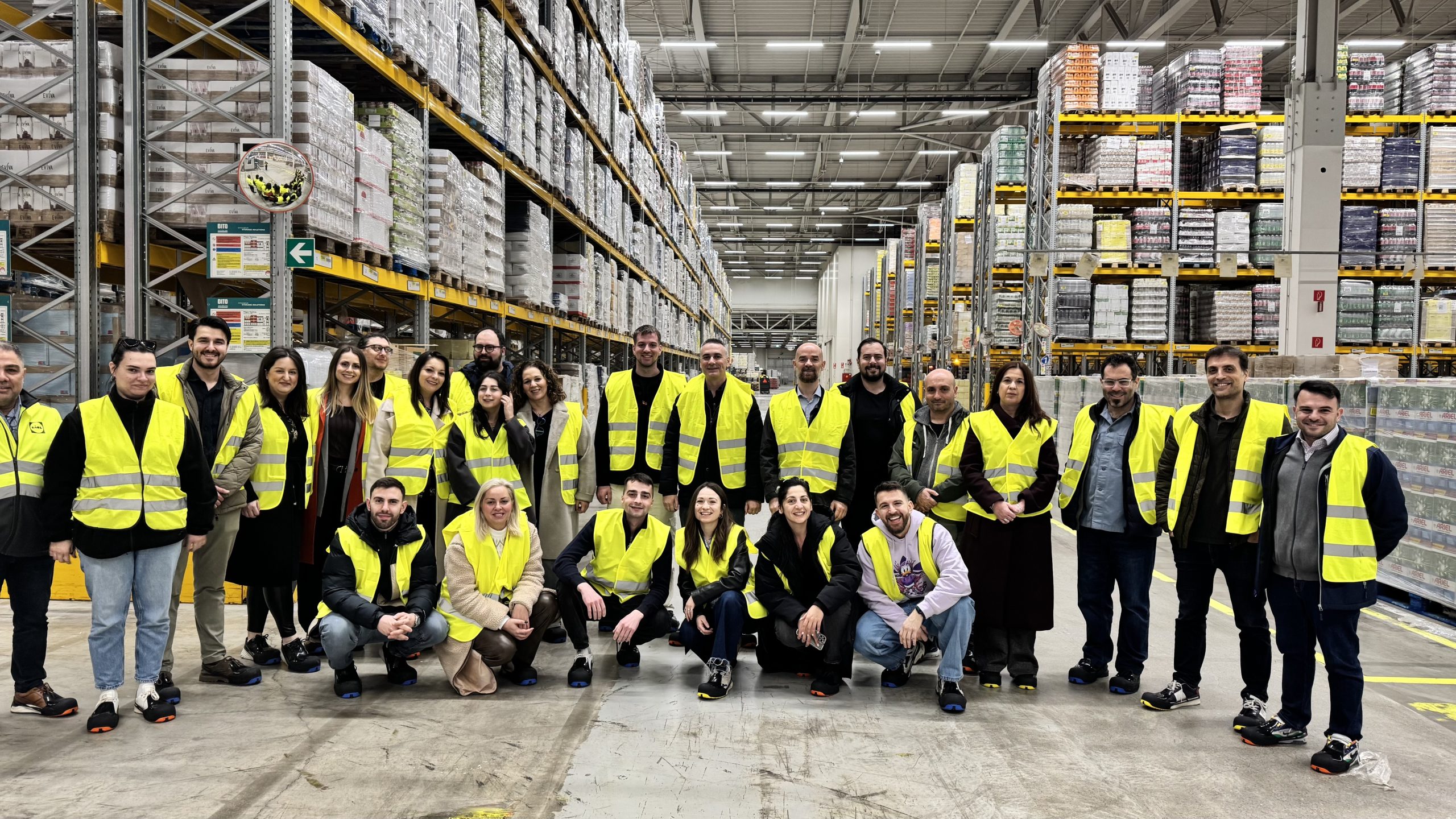
On the same day, participants visited the Central Logistics Distribution Center of Lidl Hellas in the Industrial Area of Sindos, where they had the opportunity to experience firsthand the operation of a modern and fully organized supply chain system.

The warehouse tour was conducted by Damianos Getsios, Head of Warehouse at Lidl Hellas, who provided a detailed presentation of the warehouse organization and management model, the processes of receiving, storage, and distribution of products, as well as the quality and safety standards applied.

New Agriculture New Generation warmly thanks LIDL HELLAS for its valuable support and hospitality in Thessaloniki and at its central facilities.

Supporters of the program’s remaining training sessions include: the Cooperative of Producer Groups of Imathia, the Agricultural Poultry Cooperative of Ioannina PINDOS, COMPO EXPERT Hellas, and Chios Mastiha Growers Association.

The program is also supported by NBIS.
“Cultivating the Resilience of Greek Farmers” Successfully Concluded

The “Cultivating the Resilience of Greek Farmers” program concluded on December 23, 2025, with an online closing event that brought together participants from across Greece.

The program offered participants a comprehensive experience in education and professional development, with 301 participants, a duration of 2 months and 20 hours of training.

Structure and Thematic Pillars

The program included 3 thematic pillars and 6 educational modules, designed to enhance the knowledge and skills of farmers:

  • Regenerative Agriculture: Sustainable practices and upgraded production methods
  • Business Development: Business Model Canvas, Marketing, Sales & Export Strategy, Basic Accounting Principles
  • Food Innovation: New technologies, processes, and products

Results and Impact

The program received excellent evaluations from participants:

  • 100% gained new knowledge on sustainable farming practices and agrifood value chains
  • 100% stated that the course was worth the time they invested
  • 84% plan to implement changes in their business or organization
  • The overall rating for recommending the program to others was 9.5/10

What Participants Said

“A fantastic source of new information on familiar topics I only knew partially. Many new perspectives and better targeting for smarter achievement of goals.”

“Technically excellent, very good materials from the instructors and their presentations. Well-documented and thorough answers to questions.”

“I had the opportunity to follow this educational process and learned many interesting things. Some methods I had heard of from older generations, but now they are technologically and scientifically upgraded.”

“It was a very interesting seminar that opens new horizons for the next step in the agri-food sector. You learn things in a proper and reliable way that will help you move forward.”

“Everything was excellent, a continuous opportunity to enrich valuable knowledge on key topics and detailed analyses. We are all truly grateful.”

Continuing to Cultivate the Future

Through “Cultivating the Resilience of Greek Farmers”, participants gained the knowledge, skills, and confidence to advance in the green transition and innovation in the agrifood sector.

The program was implemented by New Agriculture New Generation in collaboration with EIT Food – GROW.

Event on the New CAP 2028–2034 Held Successfully in Patras: The Role of Regions in Design and Implementation

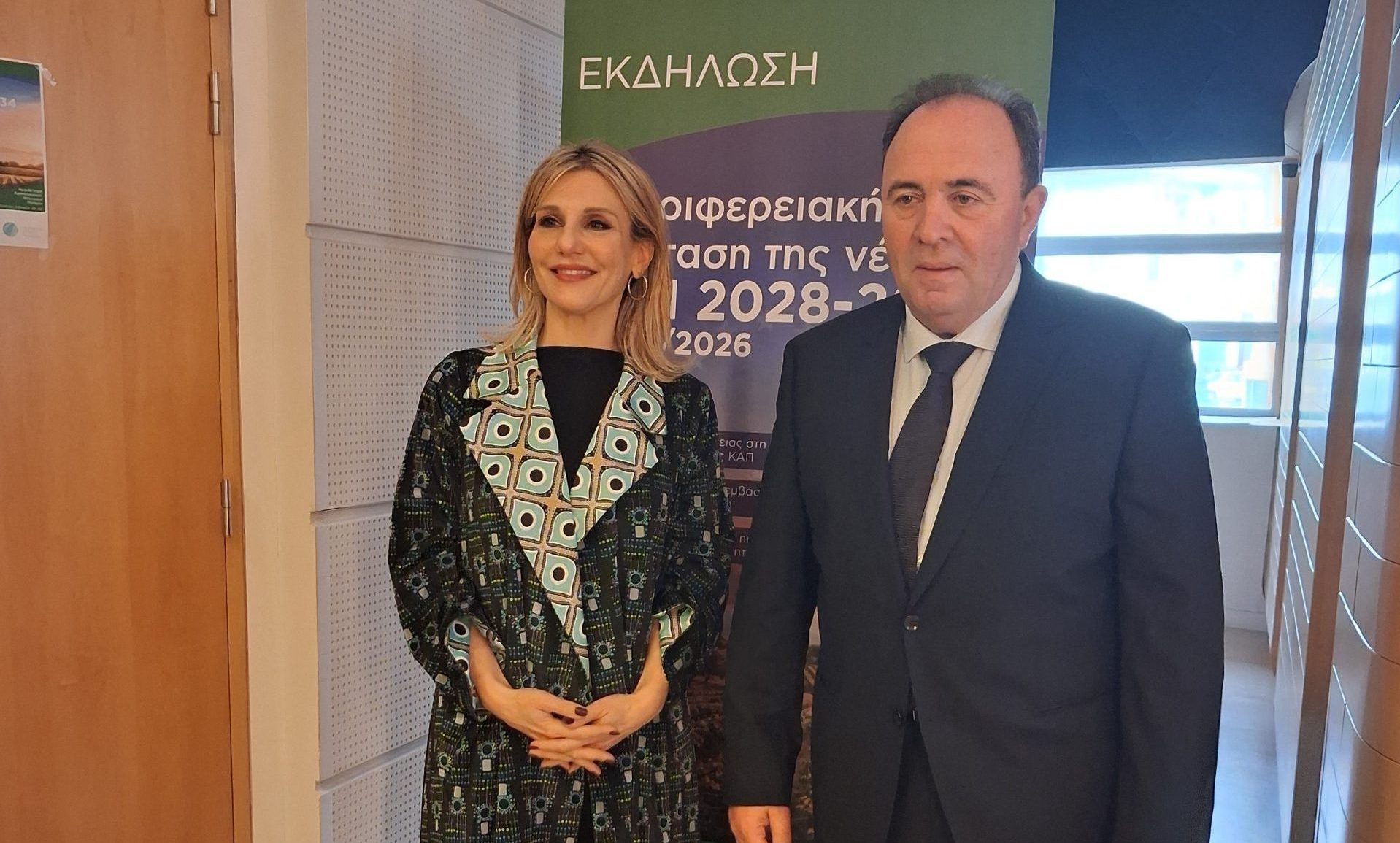
The event on the New Common Agricultural Policy (CAP) 2028–2034 and the role of Regions in its design and implementation was successfully held in Patras, with significant attendance. The event was co-organized by the Region of Western Greece and New Agriculture New Generation.

The event brought together representatives of the national government, the European Commission, local and regional authorities, academia, and the agri-food sector, confirming the strong interest in the upcoming programming period and the challenges it entails.

During the presentations and the open consultation session, it was highlighted that the New CAP 2028–2034 constitutes a critical mechanism for transitioning towards a more sustainable, resilient, and knowledge-driven production model. Particular emphasis was placed on increased environmental requirements, the need for the economic viability of farming operations, and the strengthened role of the Region in national strategic planning.

Intervention by Effie Lazaridou and the Contribution Framework of New Agriculture New Generation

In her remarks, Effie Lazaridou, CEO of New Agriculture New Generation, underlined that the success of the new CAP in Western Greece will depend on:

• institutional cooperation between the Region, universities, and producers,
• technical capacity and the dissemination of applied knowledge,
• and the existence of effective coordination mechanisms linking research with practice.

The organization presented the framework of its contribution to the new period, structured around three main pillars:

  1. Applied education and training tailored to the needs of producers and regional sectors.

  2. Linking research, policy, and production through pilot initiatives and collaborative schemes.

  3. Entrepreneurial empowerment of small and medium-sized farms through management tools, cooperation models, and market access support.

Ms. Lazaridou stated:

“As New Agriculture New Generation, we are ready to contribute systematically:

• by fostering connections between local authorities, universities, and producers,
• through educational programs tailored to regional needs,
• by providing entrepreneurial support to the new generation of farmers and agri-businesses,
• by establishing platforms for dialogue and cooperation,
• and through pilot interventions that can serve as scalable implementation models.

It is, after all, the core role of civil society to implement pilot actions, measure their value, document their results, and subsequently deliver them to the State and competent institutional bodies so that they may adopt and scale them.”

Institutional Greetings and Key Presentations

Opening remarks were delivered by Mr. Nektarios Farmakis, Regional Governor of Western Greece; Mr. Andreas Kastaniotis, Member of Parliament (New Democracy) and former Deputy Minister of Foreign Affairs; and Mr. Nikolaos Kakavas, President of the Panhellenic Federation of Public Geotechnical Employees.

Presentations were delivered by Mr. Antonios Filippis, Secretary General of the General Secretariat for Agricultural Policy and International Relations at the Ministry of Rural Development and Food; Mr. Spyridon Papaspyrou, Head of the Directorate of Agricultural Economy of the Region of Western Greece; Mr. Menelaos Gardikiotis, President of the Board of the Geotechnical Chamber of Greece (GEOTEE); Mr. Nikos Kalinis, Programme Director for the Greek CAP Strategic Plan (2023–2027), Directorate-General for Agriculture and Rural Development of the European Commission; and Mr. Efthathios Klonaris, Professor at the Department of Agricultural Economics and Development of the Agricultural University of Athens.

A Shared Conclusion: From Measure Management to a Resilient Regional Agri-Food Ecosystem

Participants commonly agreed that the New CAP represents an opportunity to move from the management of individual measures to the development of a comprehensive regional agri-food ecosystem characterized by resilience, competitiveness, and meaningful support for rural communities.

New Agriculture New Generation reaffirms its commitment to systematically contribute, through evidence-based approaches and collaboration, to the design and implementation of policies that strengthen the sustainable development of Greek agri-food systems.

Message by Effie Lazaridou, CEO, New Agriculture New Generation, for the Year 2026

Dear colleagues of the agrifood sector,
Dear friends,

2025 was a year during which the Greek agrifood sector faced enormous challenges. Despite its relatively encouraging trajectory in recent years, the year that has passed was unfortunately marked by scandals, biosecurity crises and mobilizations—partly due to the despair many of our producers have fallen into. At the same time, it is worth noting that farmers across Europe are also mobilizing, mainly because of the European Union’s inability to agree on a meaningful transformation strategy for the future.

However, turning our focus to what lies within our own reach, we choose to maintain our optimism. Greek agrifood must once again move onto fertile ground and within this context, as New Agriculture New Generation, we reaffirm our commitment to stand alongside the country’s creative and healthy forces in this direction.

Despite the impacts of the climate crisis—and at times precisely because of them—significant opportunities are emerging for new productive possibilities, as well as for high-quality, differentiated Greek products. However, bold decisions are required to lead to the full transformation and modernization of Greek agricultural production and the agrifood sector more broadly.

If we support Greek agrifood, the benefits generated are multiplied. Even an increase of one or two percentage points in its contribution to GDP would mean an improved trade balance, a stronger regional economy, a more vibrant rural landscape and visible results in social cohesion, demographics, food security and many other critical issues that even touch upon our national security.

Our wish, therefore, is that the challenges of 2025 become an opportunity, so that in 2026 we may view the sector through a new lens and that all those who serve agri-food—institutions, businesses, civil society and producers—do whatever is necessary to turn the page, moving forward decisively with the strategies that will genuinely support the sector and the country.

Health, Prosperity and Progress.

Effie Lazaridou
Chief Executive Officer
New Agriculture New Generation

Leadership and Communication – The 2nd Training Module of Agrifood Leadership 2025–2026 Completed in Ioannina

The 2nd training module of the Agrifood Leadership 2025–2026 program was successfully completed, taking place in Ioannina from Friday 12 to Sunday 14 December 2025. The module focused on the thematic area “Leadership and Communication” and was delivered by Lia Sourla, Senior Trainer & Business Consultant.

The Agrifood Leadership 2025–2026 program is implemented by New Agriculture New Generation, through the founding donation of the Stavros Niarchos Foundation (SNF) and operates under the auspices of the Hellenic Ministry of Rural Development and Food. The Rutgers University (USA) serves as the program’s Technical and Strategic Advisor. The supporter of the 2nd training module was the Ioannina Agricultural Poultry Cooperative PINDOS.

Focus on Leadership and Communication

During the training module, participants had the opportunity to explore the crucial role of communication in effective leadership. Through interactive exercises and practical examples, they developed skills that enhance collaboration, clarity, public speaking and their ability to influence as modern leaders in the agrifood sector.

Educational Visit to the Ioannina Agricultural Poultry Cooperative PINDOS

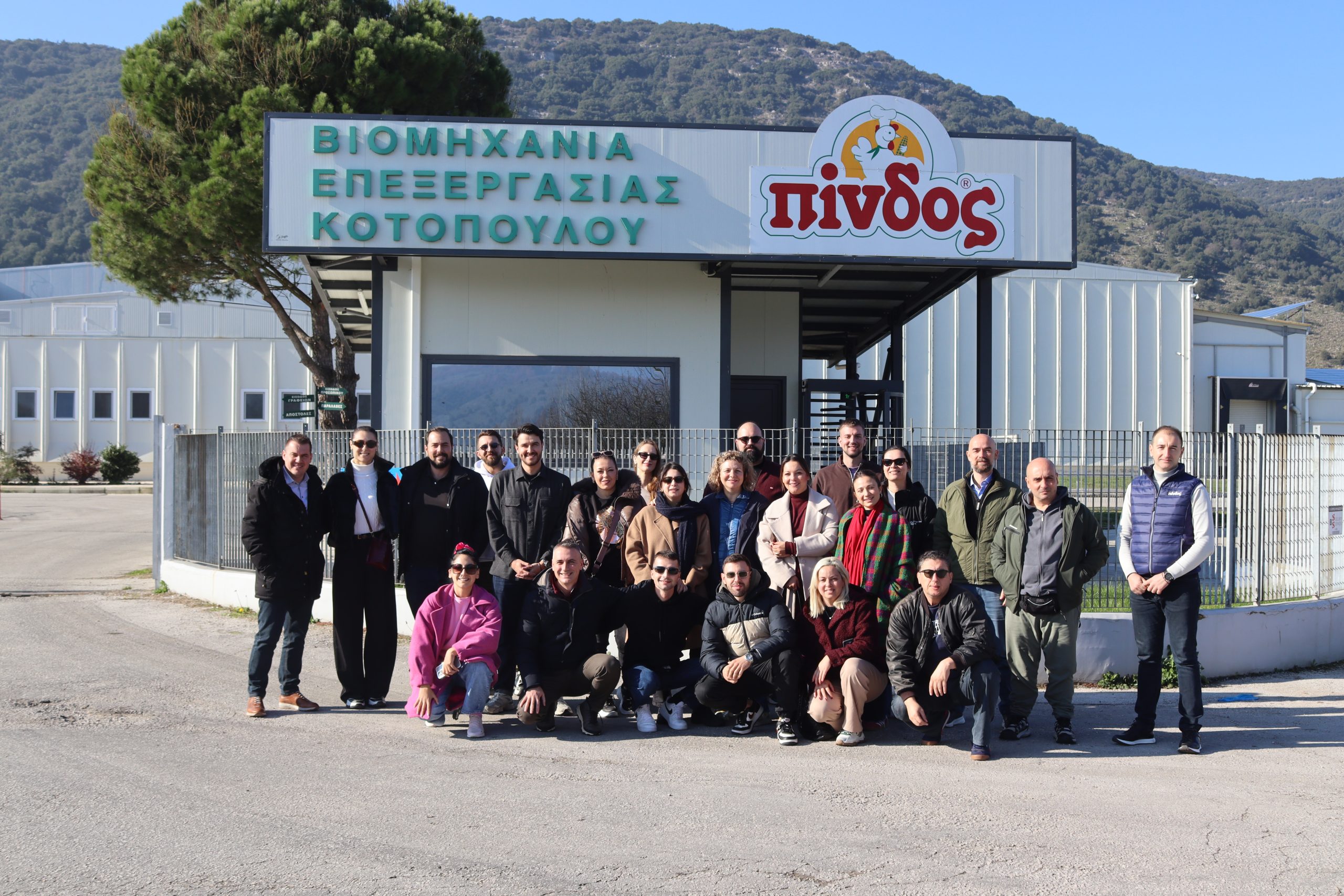
A key component of the program was the educational visit to the facilities of the Ioannina Agricultural Poultry Cooperative PINDOS. There, participants had the opportunity to engage in discussion with Ioannis Patounas, an alumnus of the Agrifood Leadership program and Director of Research, Development & Operations Management at PINDOS. The discussion focused on issues related to the cooperative’s operations, logistics, as well as its strategic vision and future development.

A Growing Community of Leaders

The training module further strengthened team cohesion, contributing to the creation and evolution of a dynamic community of young professionals in the agrifood sector. A community that has been systematically built over the past three years and confirms the power of the Agrifood Leadership program to foster lasting relationships, collaborations and knowledge networks.

Supporters of the remaining training modules of the program are: Consortium of Cooperatives and Producer Groups of Imathia Prefecture, Chios Mastiha Growers Association, COMPO EXPERT Hellas, and Lidl Hellas.