Νέα Γεωργία Νέα Γενιά

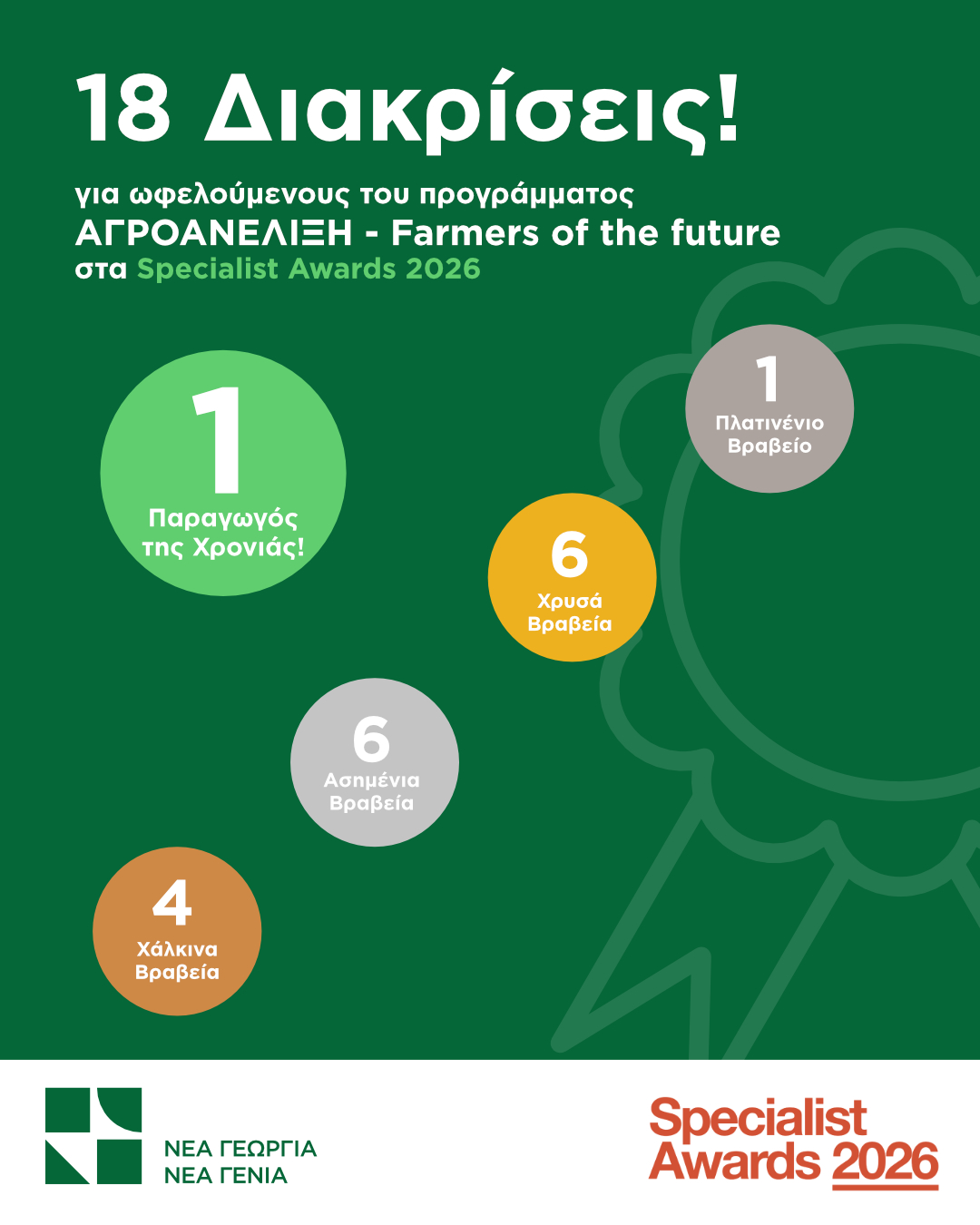
18 Awards for Agroanelixi Programme Beneficiaries at the Specialist Awards 2026

The awards highlight the quality, innovation, and potential of the businesses that participated in the programme

Nea Gea Nea Genia proudly congratulates the beneficiaries of the Agroanelixi programme who were honoured at the Specialist Awards 2026, a prestigious institution celebrating quality, innovation, and creativity in the agrifood sector.

For the past several years, the Specialist Awards have been a valued partner of the Agroanelixi programme, offering beneficiaries complimentary entries to the Tasting Awards. Through this opportunity, participants are able to showcase their products in a well-established evaluation process, gain valuable recognition, and strengthen both their market presence and business growth.

This year’s awards stand as a strong testament to the dedication, consistency, and passion with which producers and agrifood businesses continue to evolve, creating high-value products with a distinctive identity and character.

Awards received by Agroanelixi programme alumni

Specifically, graduates of the Agroanelixi programme received the following distinctions:

Platinum Award

  • Hazelnut Spread – Nomad Honey

Gold Awards

  • Sun-Dried Florina Pepper with Sweet Boukovo – Varecon
  • “Pu & Pu” Organic Herbal Blend – Grizo & Prasino
  • Organic/Biodynamic Corinthian Raisins – Stamatopoulos Biodynamic Farm
  • Organic Heather Honey – Bee Naturalles
  • “Not Worthit” – Rose Geranium & Bergamot – Grizo & Prasino
  • Baklava Topping – Yiam

Silver Awards

  • Naturally Dried Figs – Oikotechnia | Bourazidis Estates
  • Caramelised Onion Chutney – Yiam
  • Mango & Agave Tea 300ml RTD – Lemonodasos
  • Whole Lemon Lemonade 300ml RTD – Lemonodasos
  • Organic Fennel & Anise Honey – Bee Naturalles
  • Paliouri Honey from Pella – Mouriki

Bronze Awards

  • Hibiscus & Agave Tea 300ml RTD – Lemonodasos
  • Organic Oak Honey – Bee Naturalles
  • Efkrato Monovarietal Tsounati EVOO – Efkrato – Silvergreen
  • Stalia Premium EVOO – Stalia

Special recognition also goes to Mouriki, which was named Specialist Producer – Producer of the Year, an award that further highlights the outstanding quality and dynamic presence of the company.

These achievements fill us with pride and reaffirm the mission of the Agroanelixi programme: to support people and businesses that invest in knowledge, extroversion, quality, and the sustainable development of the Greek agrifood sector.

Warm congratulations to all award recipients. We wish them every success and hope these distinctions serve as a springboard for even greater growth, recognition, and future achievements.

Agroanelixi 2026 – Farmers of the Future

The success of the programme’s beneficiaries demonstrates the value of investing in knowledge, innovation, and the continuous development of Greek agrifood businesses.

Applications for Agroanelixi – Farmers of the Future 2026 remain open until 19 July 2026.

Learn more about the programme and submit your application at agroanelixi.gr.

Special Closing Event of the Agrifood Leadership 2025–2026 Programme

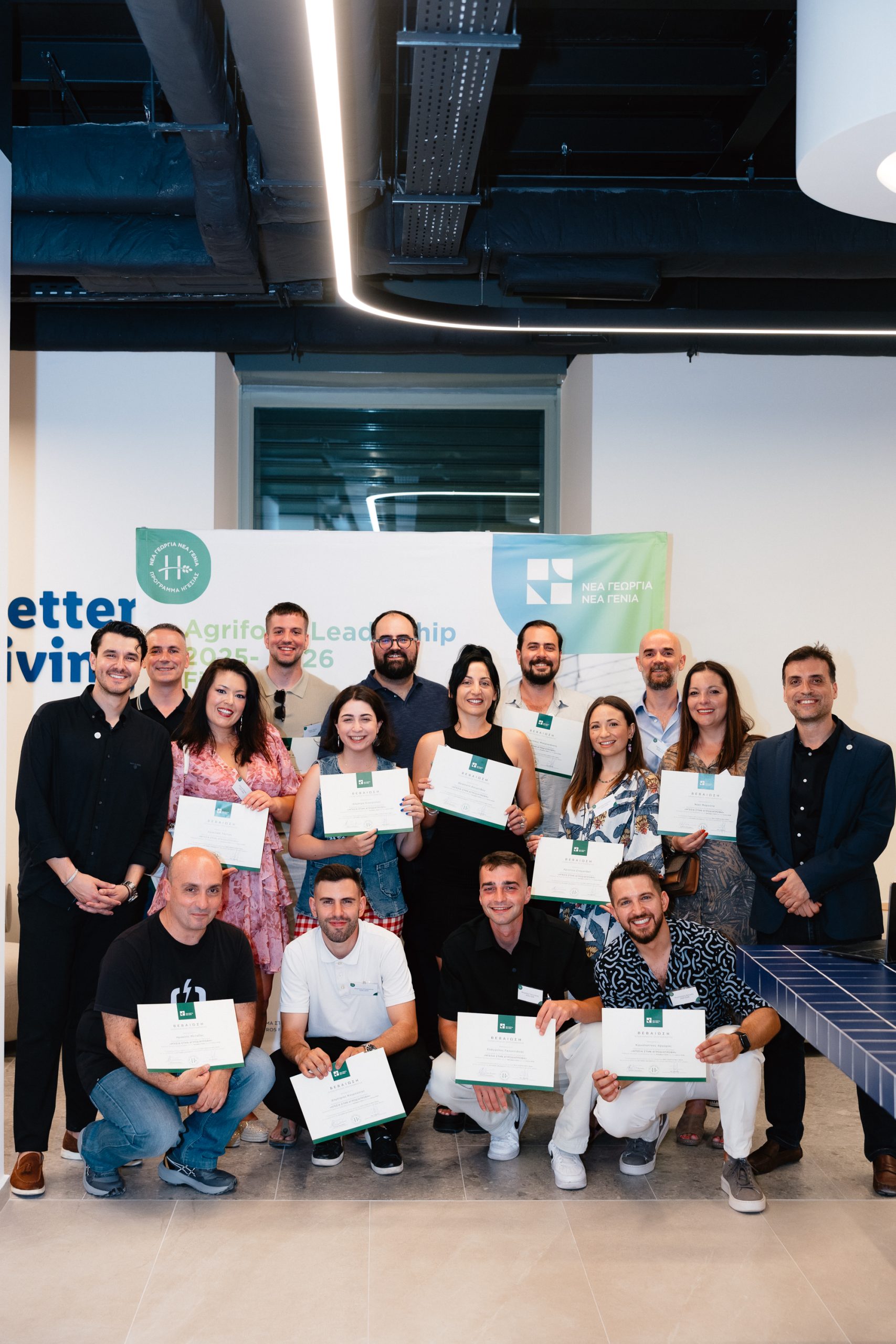
With great enthusiasm, strong participation, and inspiring, insightful speeches, the Agrifood Leadership 2025–2026 programme concluded during a special event held on Friday, June 26, 2026, at Lidl House Athens, in the Arsakeio Arcade.

The event had a celebratory character, marking three years since the launch of the programme, and brought together representatives of the agrifood sector, trainers, supporters, alumni, partners, and members of the wider Agrifood Leadership community.

The Agrifood Leadership 2025–2026 programme is implemented by New Agriculture New Generation under the auspices of the Hellenic Ministry of Rural Development and Food. The programme’s Technical and Strategic Advisor is Rutgers University (USA). The programme was established through the founding grant of the Stavros Niarchos Foundation (SNF).

An Event Dedicated to the Programme’s Journey and Impact

The event provided a meaningful opportunity to reflect on the journey, evolution, and impact of Agrifood Leadership, highlighting the importance of leadership, collaboration, lifelong learning, and the development of strong professional communities for the future of Greece’s agrifood ecosystem.

The event was opened by Michalis Karagiannis, Project Manager of the programme, who welcomed attendees and introduced the framework of the anniversary gathering, dedicated both to reviewing the programme’s third cycle and to its dynamic future.

Next, Effie Lazaridou, CEO of New Agriculture New Generation, spoke about the contribution of Agrifood Leadership to empowering professionals in the primary and agrifood sectors, emphasizing the role of education, mentoring, and networking in shaping a new generation of professionals equipped with vision, knowledge, and leadership skills.

A welcome address was delivered by Argyro Zerva, Secretary General for Union Resources and Infrastructure at the Hellenic Ministry of Rural Development and Food, who highlighted the importance of education and collaboration among young people active in the agrifood sector, as well as the value of programmes that provide up-to-date knowledge, specialized expertise, and practical tools for their professional development.

This was followed by remarks from Nikos Lysigakis, Senior Consultant Corporate Affairs at Lidl Hellas, who spoke about the importance of supporting initiatives that promote knowledge, innovation, and sustainable development in the agrifood sector, emphasizing the value of collaboration among organizations, businesses, and individuals who share a common vision for the future of Greek agrifood.

Speeches, Videos and International Leadership Perspectives

The keynote speaker of the event was Eleni Kehri, winemaker, oenologist, and chemical engineer, who shared her personal and professional journey, highlighting key aspects of leadership, entrepreneurship, resilience, and continuous growth within the agrifood sector.

As part of the event, attendees watched a video message from Robert Goodman, University Professor and Executive Dean Emeritus at Rutgers University, as well as a commemorative video entitled “Three Years of Agrifood Leadership,” showcasing significant milestones, experiences, people, and achievements from the programme’s journey to date.

Michalis Karagiannis then presented the importance of the programme’s Alumni community and announced new initiatives aimed at maintaining, strengthening, and further activating the connections among graduates. The Alumni community serves as a vibrant network for exchanging knowledge, experiences, and collaborations, creating added value for the agrifood sector.

A fireside chat followed between Erick Doyle, farmer and business owner of Readington River Farm and alumnus of the New Jersey Leadership Development Program Class 7, and Dimitris Voloudakis, General Programs Director of New Agriculture New Generation and Scientific Director of the programme, on the topic “A Paradigm of Leadership.” The discussion highlighted international best practices, personal experiences, and the importance of leadership as a driving force behind the development of dynamic communities and sustainable partnerships in the agrifood sector.

Reflecting on the Third Cycle and Looking Ahead

A particularly meaningful moment of the event was the greetings delivered by Agrifood Leadership trainers and supporters, who highlighted the importance of continuity, collaboration, and the active participation of all stakeholders in the programme’s success and continued growth.

The event concluded with a review of the third cycle of Agrifood Leadership, followed by the presentation of certificates of participation to the programme participants.

Following the official programme, a networking session gave participants the opportunity to exchange ideas, experiences, and perspectives on the future of the agrifood sector, while further strengthening the relationships built throughout their participation in the programme.

Agrifood Leadership continues to invest in the people of the agrifood sector by fostering a strong community of professionals who share a common vision for a more modern, sustainable, outward-looking, and competitive agrifood ecosystem.

The fourth cycle of the programme will run from November 2026 to June 2027. For the first time, the programme will also be held under the auspices of EIT Food.

Applications for the new cycle are available through the programme’s website.

New Agriculture New Generation extends its sincere thanks to Lidl Hellas for its valuable support and generous hospitality at the new Lidl House Athens venue.

Supporters of the programme’s additional educational activities include the Consortium of Producer Cooperatives of Imathia, PINDOS Agricultural Poultry Cooperative of Ioannina, the Chios Gum Mastic Growers Association, COMPO EXPERT, the Kalavryta Agricultural Dairy Cooperative, and Lidl Hellas.

The programme is also supported by NBIS.

The Bridge to Employment: Future READY Programme Launched to Empower and Enhance the Employability of 500+ Young People

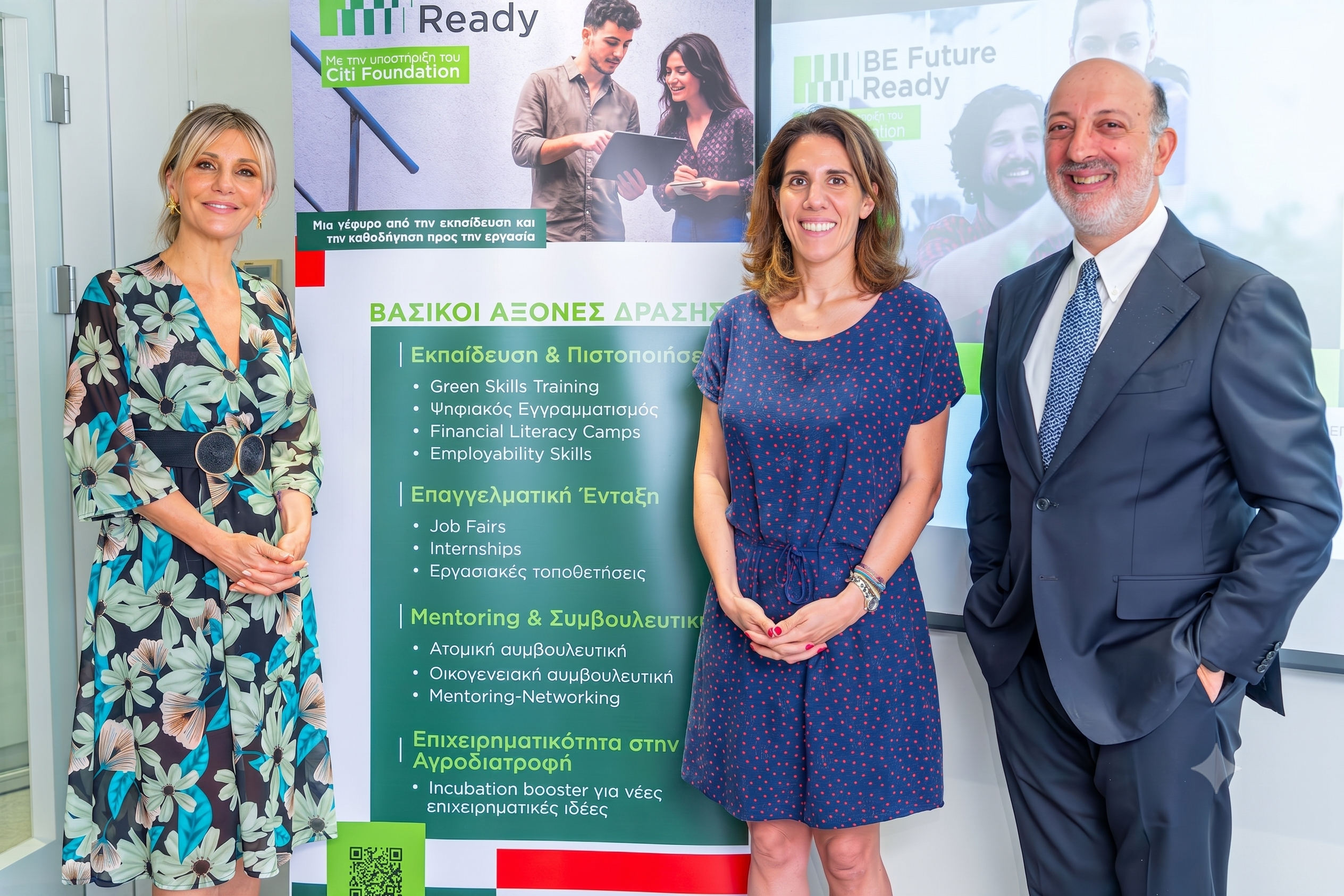
A new initiative to empower young people and bridge the gap between education and the labour market was presented on Monday, 29 June 2026. The Bridge to Employment: Future READY (BE Future READY) programme is implemented by New Agriculture New Generation in partnership with ActionAid, with the support of Citi Foundation, and aims to support more than 500 young people across Greece.

The programme was presented at the offices of Citi Greece in Athens. The event was attended by Emilios Kyriakou, CEO and Head of Banking for Citi Greece, Cyprus & Malta, Effie Lazaridou, CEO of New Agriculture New Generation, Eva Polyzogopoulou, General Director of ActionAid Greece, and Dimitris Voloudakis, Programmes Director at New Agriculture New Generation.

Following a brief welcome by the representatives of the organisations implementing the programme, Mr Voloudakis presented its main features.

The Bridge to Employment: Future READY Programme

Bridge to Employment: Future READY will run until February 2028 and aims to build a meaningful and sustainable pathway to employment, placing particular emphasis on young people from vulnerable social and economic backgrounds, rural and semi-urban areas, as well as young people with migrant or refugee backgrounds.

The programme primarily targets young people aged 15–24, while a smaller percentage of participants aged 25–29 will also be eligible to take part. Through a comprehensive portfolio of activities, the programme invests in developing skills that respond to the needs of today’s labour market, offering vocational training, Green Skills education, financial and digital literacy, career guidance, counselling services, mentoring, and direct networking opportunities with employers.

By leveraging CULTIVATE, the digital learning platform developed by New Agriculture New Generation, the programme ensures that young people from every region of Greece have access to educational resources, counselling services and professional development opportunities, regardless of where they live.

The Role of the Implementing Organisations

As the lead implementing organisation of the Bridge to Employment: Future READY programme, New Agriculture New Generation is responsible for the overall design, coordination and implementation of the programme’s activities. Building on its experience and expertise in designing high-impact educational programmes, the organisation develops initiatives that strengthen young people’s skills and create meaningful pathways to employment, with particular emphasis on the agrifood sector and the green economy.

Within the framework of the programme, ActionAid is responsible for implementing activities focused on developing financial, digital and employability skills. More specifically, through 10 experiential training camps, one business ideas Hackathon, 100 personalised mentoring sessions, two Job Fairs in Athens and Thessaloniki, ten employability skills seminar cycles, and collaborations with employers, among other activities, the programme aims to equip young people with the knowledge, confidence and opportunities they need to plan their next professional steps.

The Programme’s First Action

The programme’s first educational initiative is the Green Skills training cycle, implemented by New Agriculture New Generation, launching on 1 July 2026. It will provide participants with knowledge and skills related to sustainable development, the green economy and modern practices in the agrifood sector.

The programme includes four 60-hour training cycles, aiming to engage 240 young participants, who will receive ACTA certification upon successful completion. The training is delivered entirely online through the CULTIVATE platform, combining asynchronous learning, educational resources, self-study and assessment, and will remain available until December 2027.

Statements

During the presentation, Emilios Kyriakou stated:

“The future of Greek agrifood lies with the younger generation, and Future READY is an investment in exactly that. Through the exclusive support of Citi Foundation and the voluntary participation of Citi Greece executives as mentors, we are helping young people develop their skills while discovering and unlocking their potential. In doing so, we are also contributing to the strengthening of the agrifood sector, a key pillar of Greece’s economic development.”

Effie Lazaridou commented:

“Bridge to Employment: Future READY is a particularly important initiative made possible through the support of Citi Foundation. At New Agriculture New Generation, we draw on our experience in skills development, education and entrepreneurship support to offer young people meaningful opportunities for personal and professional growth. Our collaboration with ActionAid Hellas gives the programme a holistic character, combining the development of modern skills, career preparation, entrepreneurship support and meaningful connections with the labour market. We believe that only through partnerships like these can we create real prospects and provide meaningful opportunities to groups of young people who might otherwise not have access to them.”

Eva Polyzogopoulou noted that for many young people, access to education, skills development and the labour market cannot be taken for granted, and that this challenge begins at a very early stage in life, while they are still children.

“The Be Future Ready programme serves as a catalyst, allowing us to extend the experience and expertise we have gained in developing financial, digital and employability skills—from our Community Centre in Athens and our Youth Centre in Thessaloniki—to every corner of Greece. We are truly delighted to be part of this collective effort and confident that, through this collaboration, we will achieve not only tangible results but also meaningful and lasting social change.”

Partnership with Citi Foundation

This marks the second time that New Agriculture New Generation has been selected by Citi Foundation as part of the Global Innovation Challenge, having previously been recognised in 2023 for the Social Farming 360 programme, implemented in collaboration with the General Secretariat for Anti-Crime Policy, ActionAid and Freedom Gate. At the same time, the organisation also participates in another Global Innovation Challenge initiative led by PRAKSIS, focusing on the labour market integration of people experiencing housing insecurity.

More information is available at: https://befutureready.gr/

The Bridge to Employment: Future READY Programme Launched to Empower and Enhance the Employability of 500+ Young People

Bridge to Employment: Future READY is a comprehensive youth empowerment programme in Greece, designed to equip young people with the skills, knowledge and opportunities they need to successfully enter the labour market. Through skills development, career preparation, entrepreneurship support and meaningful connections with employers, the programme aims to strengthen young people’s employability and future prospects.

Implemented by New Agriculture New Generation in partnership with ActionAid and with the support of Citi Foundation, the programme seeks to build a meaningful bridge between education and employment, supporting more than 500 young people across Greece.

Bridge to Employment: Future READY will run until February 2028 and primarily targets young people aged 15–24, while a smaller percentage of participants aged 25–29 will also be eligible to take part. Particular emphasis is placed on young people from vulnerable social and economic backgrounds, rural and semi-urban areas, as well as those with migrant or refugee backgrounds.

Through a comprehensive portfolio of activities, the programme invests in developing skills that respond to the needs of today’s labour market, offering vocational training, Green Skills education, financial and digital literacy, career guidance, counselling services, mentoring and opportunities to connect directly with employers. In addition, by leveraging the CULTIVATE digital learning platform, the programme ensures that young people from every region of Greece have access to educational resources, counselling services and professional development opportunities.

The programme’s first educational initiative is the Green Skills training cycle, launching on 1 July 2026. The programme includes four training cycles of 60 hours each, aiming to engage 240 young participants, who will receive ACTA certification upon successful completion. The training is delivered entirely online through the CULTIVATE platform and will remain available until December 2027.


Learn more about the programme: Visit the Bridge to Employment: Future READY website for information about the programme, upcoming training opportunities and open calls for participation.

Apply for the Green Skills programe:  https://befutureready.gr/axones-drasis/green-skills-training/

The Prospects for Beekeeping Development in Central Greece Take Centre Stage

Queen Rearing at the Heart of the Event

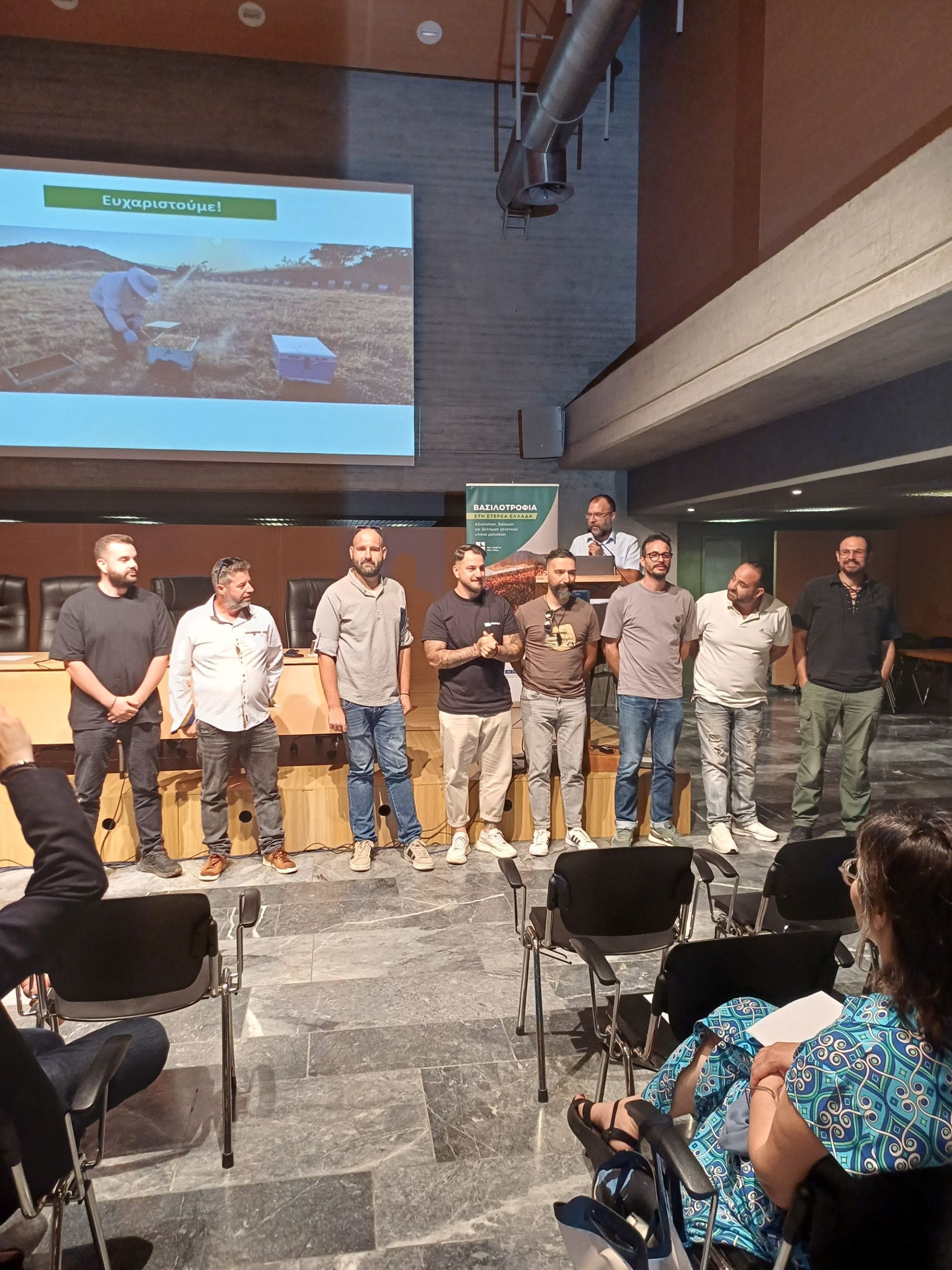
The importance of queen rearing for the future of Greek beekeeping and the sector’s development prospects were at the heart of the event “Prospects for Beekeeping Development”, organised by the Region of Central Greece and New Agriculture New Generation in Livadeia, as part of the programme “Queen Rearing in Central Greece – Utilisation, Preservation and Improvement of Honey Bee Genetic Material.”

The event was hosted at the Multipurpose Hall of the Regional Unit of Boeotia and brought together approximately 50 beekeepers, representatives of public and private organisations, and officials from the Region of Central Greece, confirming the strong interest of the local beekeeping community in improving production and promoting the sustainable development of the sector.

Opening Remarks

Katerina Kalatzi, Vice Governor for Mountainous and Forest Policy of the Region of Central Greece and the Region’s Programme Coordinator, highlighted the Region’s ongoing commitment to providing practical support to local beekeepers, recognising the significant contribution of beekeeping to the local economy, the environment and rural development.

Anastasios Stefanopoulos, CSR Assistant at APIVITA, also delivered welcoming remarks, referring to the importance of the Billion Bees Program and its contribution to protecting and strengthening bee populations.

On behalf of New Agriculture New Generation, Dimitris Voloudakis, Programmes General Director, highlighted the importance of knowledge transfer and networking among producers, emphasising the organisation’s role in strengthening Greece’s agrifood communities.

Welcoming remarks were also delivered by Kostas Apostolopoulos, Vice Governor for Agricultural Economy, Livestock and Fisheries of the Region of Central Greece; Giorgos Dasiotis, Vice Governor of the Regional Unit of Boeotia; and Fani Papathoma, Vice Governor for Tourism and Culture of the Region of Central Greece. The event was moderated by Sotiris Katselos, Communications Director of New Agriculture New Generation.

Presentations and Programme Results

Alexandros Gkousiaris, professional beekeeper, beekeeping trainer and initiator of the programme, presented the importance of selecting and improving bee genetic material, highlighting the crucial role that queen rearing plays in the productivity and resilience of honey bee colonies.

George Gkoras, Assistant Professor at the Agricultural University of Athens and Scientific Coordinator of the programme, then reviewed the programme’s progress from its launch to the present day, presenting its key achievements. He also referred to the accumulated experience gained through similar queen rearing initiatives implemented in previous years in collaboration with New Agriculture New Generation. Special reference was made to the team of nine queen breeders who actively participated in the implementation of the programme, carrying out a total of 250 queen cell grafts across Central Greece.

Kalliopi Karampoiki, Capacity Building Senior Manager at New Agriculture New Generation, presented the programme’s results and the findings of its evaluation. As she noted, participant satisfaction with the training phase reached 97%, while beekeepers identified the ability to apply queen rearing techniques to their own apiaries, as well as the improvement of their colonies’ genetic material, as the programme’s most significant benefits.

The programme also featured a presentation by Fotis Tekos, CEO of FoodOxys and a spin-off company of the University of Thessaly, who analysed the connection between honey and well-being, highlighting the importance of scientific validation in demonstrating the added value and competitive advantage of Greek honey in today’s markets.

Funding Opportunities and Future Prospects for the Sector

The event concluded with a presentation by Nikos Floros from the Directorate of Agricultural and Fisheries Policy of the Region of Central Greece, who presented the available funding instruments and support opportunities that beekeepers can utilise to develop and modernise their businesses.

The session attracted significant interest from participants and was followed by an extensive discussion with the audience, during which both the challenges and the opportunities shaping the future of beekeeping in the region were highlighted.

About the Programme “Queen Rearing in Central Greece”

The programme “Queen Rearing in Central Greece – Utilisation, Preservation and Improvement of Honey Bee Genetic Material” is co-funded by New Agriculture New Generation, the Region of Central Greece, the John S. Latsis Public Benefit Foundation, and APIVITA through the Billion Bees Program.

The programme was established through the founding grant of the Stavros Niarchos Foundation (SNF) to New Agriculture New Generation and is implemented in collaboration with the Agricultural University of Athens, under the scientific guidance of the Laboratory of Sericulture and Apiculture.

Water and Agrifood: From Waste to Sustainable Management – A Critical Discussion at Green Attica Day

Water and Agrifood: From Waste to Sustainable Management – A Critical Discussion at Green Attica Day

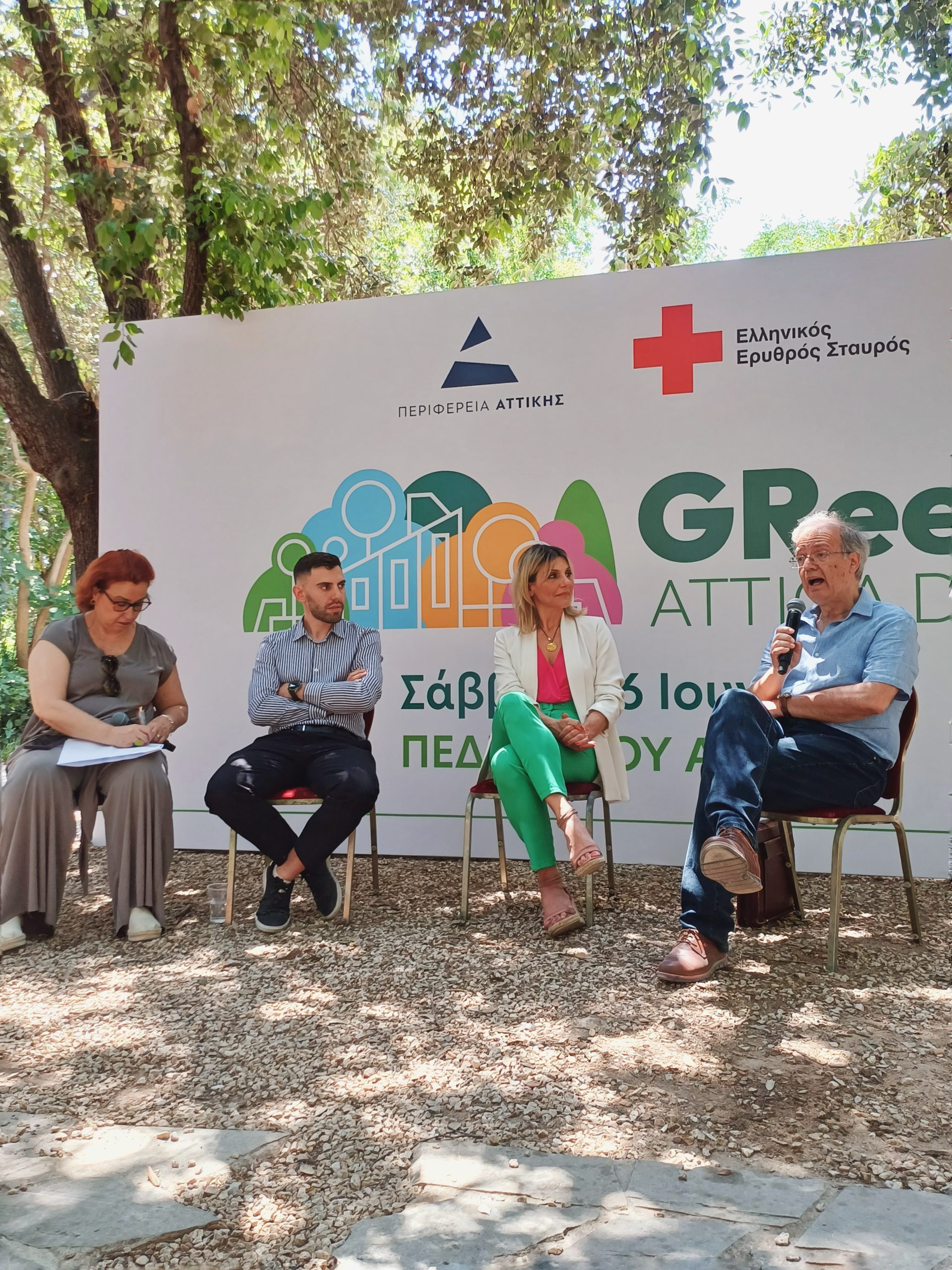
The organization New Agriculture New Generation participated in the Green Attica Day festival by organizing a discussion on one of the most pressing challenges for the environment and a sustainable future: the management of water resources in agrifood systems.

The event was organized by the Region of Attica and the Hellenic Red Cross at Pedion tou Areos Park on June 6, 2026.

Panel Participants

The discussion featured:

  • Nikolaos Derkas, President of the Water Management Organization of Thessaly (ODYTH) and Professor at the Department of Natural Resources Management and Agricultural Engineering of the Agricultural University of Athens.
  • Effie Lazaridou, CEO of New Agriculture New Generation.
  • Dimitris Kourousias, producer of organic legumes and vegetables from Feneos.

The discussion was moderated by Tania Georgiopoulou, journalist at the newspaper Kathimerini.

Addressing the Challenge of Water Management in Agrifood Systems

The discussion highlighted the urgent need for initiatives that improve water management in agrifood systems. Agriculture remains the largest water consumer in Greece, accounting for approximately 80% of the country’s total water consumption, while climate change makes water conservation efforts increasingly necessary.

Participants emphasized that meaningful action must come both from institutional stakeholders and from producers themselves.

As Ms. Georgiopoulou noted:

“The winter of 2025–2026 was one of the rainiest in recent decades according to Meteo. For Athens in particular, it was the third rainiest winter of the last 150 years, based on historical data analysis. At the same time, data available on May 17 showed that Eastern Crete remained under significant drought conditions. Unfortunately, there are no easy solutions to the problem of water scarcity.”

The Current Situation in Greece and the Role of Precision Irrigation

During the main discussion, Mr. Derkas provided an overview of the current state of Greek agriculture, noting that irrigation still relies heavily on groundwater resources.

He also pointed out that, despite improvements observed in certain regions, major interventions aimed at improving water-use efficiency have yet to be implemented on a broader scale.

Referring specifically to Thessaly, he described the current situation as, in many cases, “unregulated,” leading to substantial water losses. He stressed the need for accurate monitoring and measurement of water consumption across the Thessalian plain.

He further noted that if precision irrigation practices were systematically applied in Greece and tailored to the actual needs of crops, up to 40% of the water currently used in agriculture could be saved.

Finally, he highlighted the role of ODYTH, describing it as a pioneering initiative that consolidates water resource management across Thessaly.

The Producer’s Perspective

Mr. Kourousias shared his experience as a producer, emphasizing that the effects of climate change are already evident in everyday agricultural practice.

He stressed that water conservation is no longer optional for farmers and that efficient irrigation contributes not only to lower resource use and production costs, but also to the production of higher-quality and more flavorful products.

At the same time, he underlined the need for both incentives and awareness-raising initiatives to encourage producers to invest in more sustainable water-use practices.

Education, Awareness and Good Practices

Drawing on the organization’s experience working with thousands of producers across Greece, Ms. Lazaridou highlighted the ongoing need for education around climate change, resource conservation and sustainable agricultural practices.

As she stated:

“We need both to inspire and to inform. We must showcase positive examples by encouraging producers who have already invested in sustainable practices to share the practical benefits of more efficient water use, both for their farms and for local ecosystems. Awareness campaigns are essential so that rural communities can better understand the challenges ahead, as well as the modern practices and tools available to them. At the same time, public authorities must support this transition through funding initiatives that facilitate the adoption of these practices.”

A Shared Conclusion: The Need for Immediate Action

The discussion concluded with a summary of the key takeaways presented by Ms. Georgiopoulou, who once again emphasized the need for immediate action at all levels.

New Agriculture New Generation remains committed to supporting the transformation of Greece’s agrifood ecosystem and accelerating the transition toward more efficient and sustainable management of precious water resources.

Chios Mastiha Featured in ERT3 Tribute Marking the Completion of the “Mastiha Trees” Program

A tribute to Chios mastiha and the people behind it

Chios mastiha is a unique product of Greek agrifood heritage, deeply rooted in tradition and in knowledge passed down from generation to generation, shaping the identity and daily life of local communities to this day.

On the occasion of the completion of the program “Mastiha Trees: Securing the Future of a National Product,” New Agriculture New Generation presents ERT3’s feature from the program “From Field to Shelf,” which highlights the journey of mastiha, from cultivation to the final product.

▶️ Watch the full feature on YouTube:
https://www.youtube.com/watch?v=VoNUrdA_m6k

About the “Mastiha Trees” Program

The program is implemented by New Agriculture New Generation, in collaboration with the Chios Gum Mastic Growers Association and Aristotle University of Thessaloniki, through the founding donation of the Stavros Niarchos Foundation (SNF).

The program aims to strengthen the sustainability of mastiha cultivation through knowledge transfer and producer support, contributing to safeguarding the future of a national product of particular importance to Greece’s economy and cultural heritage.

🔗 Learn more about the program:
https://newagri.org/axones-drasis/mastichodentra-diasfalizontas-to-mellon-enos-ethnikou-proiontos/

Easter Wishes from New Agriculture New Generation!

Easter Wishes

Easter brings us closer to what truly matters: family, community, and the renewing force of nature.

In the countryside, traditions come to life, and the Resurrection fills communities with light and hope.

New Agriculture New Generation wishes you a
Happy Easter, with health, peace, and strength for a fresh and creative new beginning.

Warm wishes for the season!

Office Closure

Please note that our offices will remain closed from Good Friday, April 10, until Easter Monday, April 13.

Efi Lazaridou Addresses the Interparty Parliamentary Committee on Strengthening Greece’s Primary Sector

March 4, 2026 – Address to the Interparty Parliamentary Committee

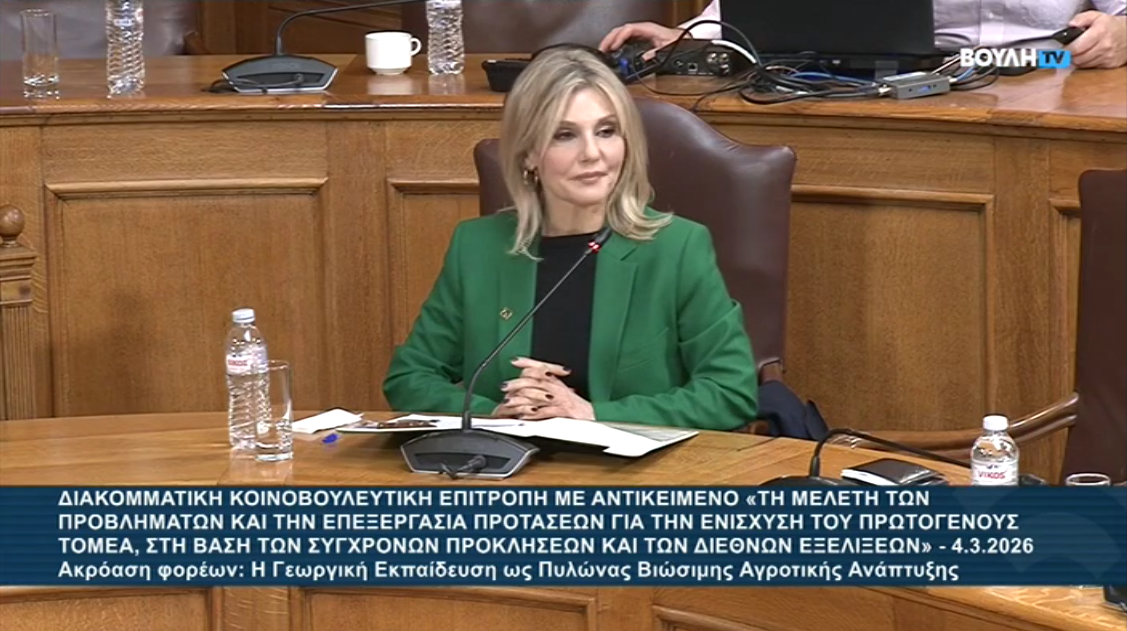
On March 4, 2026, a session of the Interparty Parliamentary Committee was held with the objective of examining key challenges and formulating proposals to strengthen the primary sector in light of contemporary challenges and international developments.

During the session, Efi Lazaridou, CEO of New Agriculture New Generation, delivered a statement focusing on agricultural education as a key pillar for sustainable rural development.

The Role of Agricultural Education Today

As highlighted in the address, agricultural knowledge today extends far beyond production. It encompasses entrepreneurship, technology adoption, sustainable practices, regulatory compliance, collaboration, and risk management.

At the same time, a significant gap in agricultural education in Greece continues to act as a barrier to modernization and competitiveness. Indicatively, 9 out of 10 farm managers lack formal agricultural training, while even among younger generations, the percentage of those with comprehensive agricultural education remains extremely low.

Three Key Areas of Intervention

The address focused on three core areas of intervention considered essential for strengthening the sector:

Knowledge transfer networks and farmer-to-farmer learning

Particular emphasis was placed on Demonstration Farm Networks and farmer-to-farmer learning as effective mechanisms for disseminating practical knowledge at scale.

Although these tools are already included in Greece’s Common Agricultural Policy Strategic Plan, they have yet to be fully implemented at the national level. At the same time, New Agriculture New Generation is already applying these methodologies through pilot initiatives with measurable impact.

Strengthening processing and cottage industry activity

The address also highlighted the need to support producers in developing processing and cottage industry activities through:

  • lifelong learning initiatives
  • tailored advisory services
  • stronger connections with markets and specialized professionals

A key priority identified is the establishment of a comprehensive support mechanism—a “one-stop shop”—to guide producers from concept to market.

Developing leadership skills in the agri-food sector

Special emphasis was placed on the need to cultivate leadership skills among agri-food professionals.

The goal is to foster a new generation of producers who:

  • combine knowledge with practical skills
  • understand the sector at both micro and macro levels
  • drive innovation and collaboration
  • actively contribute to the transformation of the sector

In this context, strengthening soft skills, networking, and access to high-level institutional and business environments is considered essential.

The Four Proposals

The four proposals presented during the intervention are as follows:

First – National skills targets: Establish modern, measurable targets based on real socio-economic impact rather than simple participation in programs, with consistent annual monitoring.

Second – Immediate implementation of AKIS provisions: Activate Demonstration Farm Networks and farmer-to-farmer learning networks across the country, with regional specialization based on local production priorities.

Third – Creation of a one-stop shop support system: Provide structured advisory and guidance services for producers entering processing and cottage industry, ensuring access to business knowledge and tailored consulting.

Fourth – Ambitious collective initiatives and leadership development programs: Strengthen professionals who can assume leadership roles in the agricultural sector through high-impact training and networking initiatives.

Concluding Remarks

As emphasized in the address, agri-food is a matter of national importance, as it directly relates to food production, rural sustainability, and regional cohesion.

New Agriculture New Generation remains committed to contributing actively to this national effort through applied education, knowledge transfer networks, and the strengthening of agri-food entrepreneurship across Greece.

The grafting of queen cells 2026 is set to begin | Phase B of the program “Queen Rearing in Central Greece – Utilization, Conservation and Improvement of Honey Bee Genetic Material | Queen Rearing in Practice.”

The program aims at the practical application of queen rearing techniques and the preservation of the valuable endemic genetic material of honey bees.

Within the framework of the initiative, nine trained queen rearers will carry out queen cell grafting at the apiaries of participating beekeepers, presenting the process in detail and offering on-site guidance and hands-on support to address questions. Each participating beekeeper will have the opportunity to receive up to 30 queen cells free of charge, sourced from selected genetic material, and to become familiar—step by step—with the queen rearing process alongside trained local queen rearers.

The program is implemented in the Regional Units of Boeotia, Evrytania, Phthiotis, and Phocis and is addressed to beekeepers in Central Greece, excluding Evia. Participants are offered specialized field-based training and free queen cells derived from the genetic material of the beneficiary beekeeper.

The grafting activities of the program will take place from February to May 2026, and participation is free of charge.
The program’s core objective is to strengthen biodiversity and support beekeeping in Central Greece through the improvement and conservation of local genetic material, contributing to the sustainability of the sector and the resilience of bee colonies.

The primary goal of the program is to reinforce beekeeping in Central Greece and enhance the region’s biodiversity and local agricultural production, as bees are among the most important pollinators of plants.

At the same time, the long-term objective of the initiative is the large-scale production of selected genetic material across the Regional Units of Boeotia, Evrytania, Phthiotis, and Phocis, with the ultimate aim of increasing productivity and developing more resilient bee colonies through the optimization of endemic genetic material.

The program is co-funded by Nea Georgia Nea Genia, the Region of Central Greece, the John S. Latsis Public Benefit Foundation, and APIVITA, within the framework of the Billion Bees Program.
The program was established through the founding donation of the Stavros Niarchos Foundation (SNF) and is implemented in collaboration with the Agricultural University of Athens, under the scientific supervision of the Laboratory of Sericulture and Apiculture.

Learn more about the program and submit your application via the following link: https://newagri.org/en/lines-of-action/10620/

The organization Nea Georgia Nea Genia is a non-profit organization.