Νέα Γεωργία Νέα Γενιά

Social Farming 360° | The Impact of a Landmark Social Farming Programme

Social Farming 360° was an innovative and multifaceted social farming programme implemented in the agricultural correctional facilities of Greece between 2024 and 2025, functioning as a vehicle for the reintegration of incarcerated individuals while strengthening food production and food security.

In more detail

The Social Farming 360° programme was implemented by New Agriculture New Generation, with the full support of the Citi Foundation, in close collaboration with the General Secretariat for Anti-Crime Policy of the Ministry of Citizen Protection, and with the participation of ActionAid and Pyli Eleftherias (Gate of Freedom).

The programme connects three interrelated goals: food security, sustainable agricultural production, and the reintegration of vulnerable social groups into the labour market and social life.

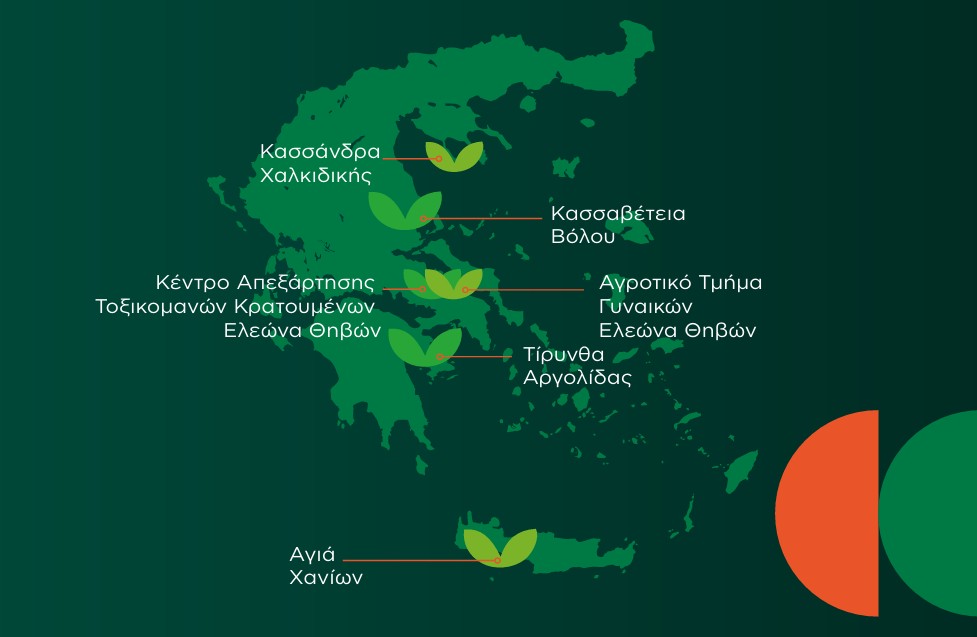
It was a multi-level, two-year social farming programme implemented across six correctional facilities:

4 Agricultural Correctional Facilities

  • Agia Chania
  • Tiryntha Argolida
  • Kassaveteia Volos
  • Kassandra Halkidiki

2 Special Correctional Facilities

  • Women’s Agricultural Department of Eleonas Thebes
  • Drug Rehabilitation Centre for Incarcerated Individuals of Eleonas Thebes
The implementation period of the programme lasted from 01/2024 to 12/2025.

By supporting sustainable food production within the country’s correctional facilities, Social Farming 360° promotes sustainability while offering incarcerated individuals opportunities for training and employment in the agricultural sector. At the same time, it strengthens the training of agronomists working within these facilities.

In essence, through the programme, agriculture is transformed into a tool for learning, empowerment, and social reintegration.

The programme was structured around technical and social interventions operating in a complementary manner.

Within the agricultural component, participants were trained in topics such as olive cultivation, medicinal and aromatic plants, food safety, and product production. Special emphasis was also placed on regenerative agriculture, namely practices related to soil fertility, sustainable cultivation, and biodiversity protection.

At the same time, ActionAid implemented the employability and professional development component, while Pyli Eleftherias (Gate of Freedom) implemented the psychosocial support and social inclusion component.

It should also be highlighted that the programme was not limited to incarcerated individuals, as agronomists and technical agricultural staff working within the correctional facilities also participated. In this way, a significant part of the programme’s technical knowledge is maintained even after its completion, contributing to resilience and long-term productive benefits for the facilities.

Educational thematic units

  1. Regenerative & Social Agriculture
  2. Olive Cultivation
  3. Medicinal & Aromatic Plants
  4. Food Safety & Product Production
  5. Employability & Professional Development (implemented by ActionAid)
  6. Psychosocial Support & Social Inclusion (implemented by Pyli Eleftherias / Gate of Freedom)

Participation and programme impact

Participation in the programme was significant and indicative of the strong interest it generated. Specifically, the following were recorded:

  • 1,081 participations of incarcerated individuals and agronomists in agricultural training sessions
  • 648 hours of training in agricultural and professional skills
  • 696 ACTA professional certifications
  • 231 incarcerated individuals participated in employability activities
  • 297 incarcerated individuals participated in psychosocial support sessions

It is worth noting that a considerable number of incarcerated individuals who participated in the programme continued after their release by joining ActionAid reintegration programmes.

At the same time, participants’ testimonies demonstrate that the programme was perceived as an initiative that opened new professional prospects and created an environment of communication, respect, and honesty.

Indicative testimonies from participants

  • The programme helped me a lot and opened new professional opportunities for me.
  • I appreciated the communication, respect, and honesty.
  • The programme should continue for more participants.
  • I learned how to communicate with other people.
  • I learned things that will be useful to me, and I also appreciated the respect that existed.
  • I appreciated learning about programmes that will help us after our release.
  • I appreciated the teamwork.
  • I really liked the way the programme was presented by the trainers and the support they provided us.
  • I liked everything: your positive energy and your behaviour towards us. It improved my psychology, which I completely lacked, because in this way you feel capable of doing anything.
  • During these few days, I realised that if you truly want to learn, you can.

The trainers

Social Farming 360° was embraced with exceptional enthusiasm and deep humanism by all participating trainers. Despite the particular challenges of teaching in a correctional environment, from bureaucratic access difficulties to the need to build trust from scratch, the trainers unanimously stated that it was one of the most unique and rewarding experiences of their professional lives. The respect they showed toward the beneficiaries and their genuine willingness to share knowledge with people seeking a second chance were, according to testimonies from the inmates themselves, among the most decisive factors in the overall success of the initiative.

We would like to thank the following for their collaboration and contribution:

Panagiotis Papadopoulos
Mr. Papadopoulos is an agronomist specializing in sustainable farming systems and was responsible for training on Regenerative Agriculture and Medicinal and Aromatic Plants, teaching across all six facilities. He shared the following about his experience:

“Within the framework of the two-year Social Farming 360° program, I had the pleasure and opportunity to participate in three training cycles with workshops on Regenerative Agriculture and Medicinal & Aromatic Plants.

Our goal was to introduce beneficiaries to innovative, environmentally friendly cultivation methods and at the same time spark their interest in the cultivation and utilization of medicinal and aromatic plants.

The collaboration with Nea Agriculture New Generation, the correctional facilities, and above all with the participants, was exemplary.

They demonstrated exceptional consistency, a positive attitude, trust, and a willingness to learn and actively participate. It is no coincidence that what we learned was immediately applied in practice, in the fields.

It is evident that engagement with production and nature had an empowering effect on them, providing new knowledge and skills for their future beyond the facilities.”

Christos Thanopoulos
Mr. Thanopoulos is an agronomist specializing in medicinal and aromatic plant cultivation and delivered lectures on this topic at the correctional facilities of Agia (Chania) and Tiryntha (Argolis). He stated:

“The key advantage of the training was its strongly experiential character. In addition to theoretical instruction, it included practical training through visits to farms for planting, weeding, and harvesting aromatic plants.

Participants had the opportunity to learn about the properties, uses, prospects, opportunities, and market challenges of medicinal and aromatic plants, as well as to engage in hands-on fieldwork critical to their development.

It was a unique and unforgettable experience. I had the opportunity to share my knowledge with people seeking a second chance through social reintegration, and this purpose is deeply humanitarian.

I sincerely hope that the lessons will bear fruit and that some participants will pursue the cultivation of these plants in the future.”

Marina Pouliou

Ms. Pouliou specializes in food quality and safety and was responsible for designing and delivering training in these thematic areas across all six correctional facilities. She shared:

“Within the framework of the pioneering Social Farming 360° program, I had the great honor to contribute to its implementation by providing training and advisory support.

Through this program and the excellent collaboration established, I observed the high professionalism of the staff and the genuine willingness of the beneficiaries to acquire tools for their future.

Their impressive response, dedication, and respect are the clearest proof that targeted knowledge is the most powerful tool for the social reintegration and professional development of vulnerable groups, fully justifying the purpose of such important initiatives.”

Apostolis Voulgarakis

Mr. Voulgarakis is an agronomist specializing in olive cultivation and contributed to the educational component of the program at the Agia (Chania) Correctional Facility, where he delivered training on olive cultivation.

Kyriakos Gerampinis

Mr. Gerampinis is an agronomist specializing in olive cultivation and contributed to the program at the Tiryntha (Argolis) Correctional Facility, the Eleonas Thebes Women’s Agricultural Unit, and the Drug Rehabilitation Center for Incarcerated Individuals in Eleonas Thebes, delivering training on olive cultivation.

Achilleas Oikonomou

Mr. Oikonomou is an agronomist specializing in olive cultivation and contributed to the program at the Kassavetia (Volos) Correctional Facility, delivering training on olive cultivation.

Dimitris Psathas

Mr. Psathas is an agronomist specializing in olive cultivation and contributed to the program at the Kassandra (Chalkidiki) Correctional Facility, delivering training on olive cultivation.

Ilias Benekos, Agronomist, Ministry of Citizen Protection
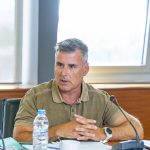
Finally, particularly insightful were the data and stories shared by Mr. Ilias Benekos. He emphasized the importance of collaboration between the agronomists of the correctional facilities and the program trainers, and how knowledge of new cultivation practices was practically transferred to the beneficiaries.

He shared success stories of participants who managed to reintegrate by utilizing the knowledge they acquired and highlighted the importance of ACTA certification as a tool for employment. He stated:

“The inmates welcomed the program with visible enthusiasm, recognizing it not only as an educational intervention but also as a meaningful escape from the monotony of daily life and as a field for personal activation.

In Tiryntha, the cultivation of various aromatic and medicinal plant species attracted particular interest, especially due to their adaptability to dry and warm conditions, their low requirements in land and inputs, and their commercial potential. Participants from Arab countries showed particular familiarity and interest in these species, linking them to familiar uses and markets.

In Kassavetia, the program was perceived as a pleasant and creative change from daily routine, as well as an introduction to potential forms of agricultural investment: olive cultivation as a long-term productive activity, and aromatic plants as crops with shorter biological and economic cycles, limited land requirements, and the possibility of gradual development.

In Kassandra, interaction with plants took on a strongly experiential character. Inmates touched leaves and stems, recognized the aromas of essential oils, and linked olfactory characteristics to the phenotype of each species. Gradually, they began to identify wild aromatic plants in the surrounding area and cultivate them in small pots, turning observation into practice.

Similarly, in Agia, there was consistent interest across all stages of the program, from crop establishment and care to harvesting, post-harvest handling, and standardization.

These experiences constitute small but meaningful success stories: they demonstrate that when agricultural knowledge is delivered experientially and linked to tangible productive outcomes, it can stimulate curiosity, strengthen self-confidence, and transform agriculture into a tool for learning, creation, and future prospects.”
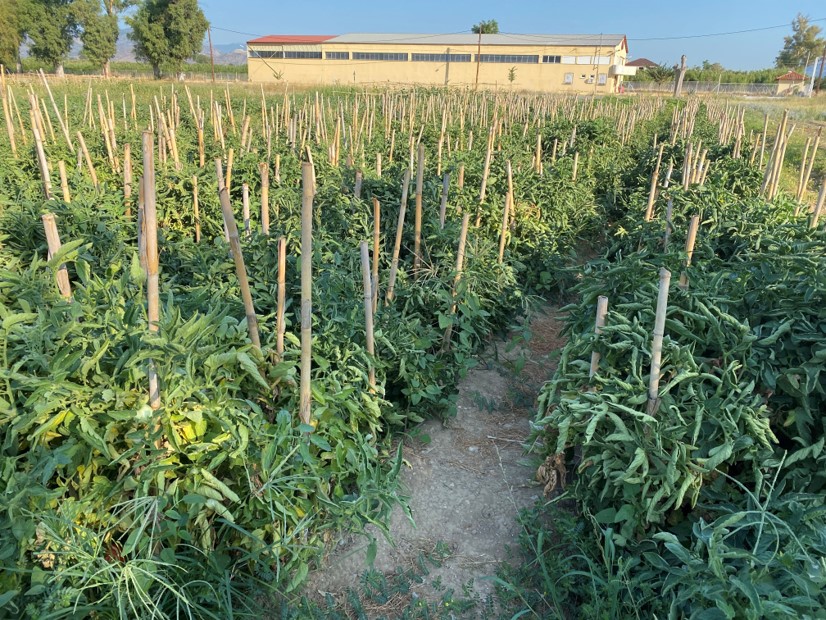
Tomato cultivation in Tiryntha’s correctional facilities

The international dimension of the programme

Social Farming 360° also carries a broader institutional and international impact. New Agriculture New Generation was one of 50 organisations worldwide selected for the first Citi Foundation Global Innovation Challenge focused on food security, with each organisation receiving $500,000 in funding for a two-year intervention.

The Citi Foundation also featured a dedicated article highlighting the programme.

Key conclusions

  • Agriculture can serve as a powerful rehabilitation tool when combined with structured psychosocial and professional support.
  • Certification significantly increases participants’ motivation and perceived self-worth.
  • Integrated models (technical + social support) generate stronger behavioural and emotional outcomes compared to standalone skills training.
  • Relationships of respect between trainers and participants emerged as a critical success factor.
  • Correctional environments benefit from long-term, continuous programmes.
  • Multi-stakeholder collaborations (NGOs, agronomists, social support providers) are essential for holistic impact.

Conclusion

In summary, the programme operated across four different dimensions: food production, education, professional preparation, and psychosocial preparation for reintegration, while simultaneously promoting institutional cooperation between public and social sector actors.

Through Social Farming 360°, food security within correctional facilities and related structures was strengthened, while the social reintegration of incarcerated individuals was actively supported.


Useful Resources

Watch the documentary created as part of the programme, featuring testimonials from participants.

Find detailed information about the program in the summary report, available in Greek.

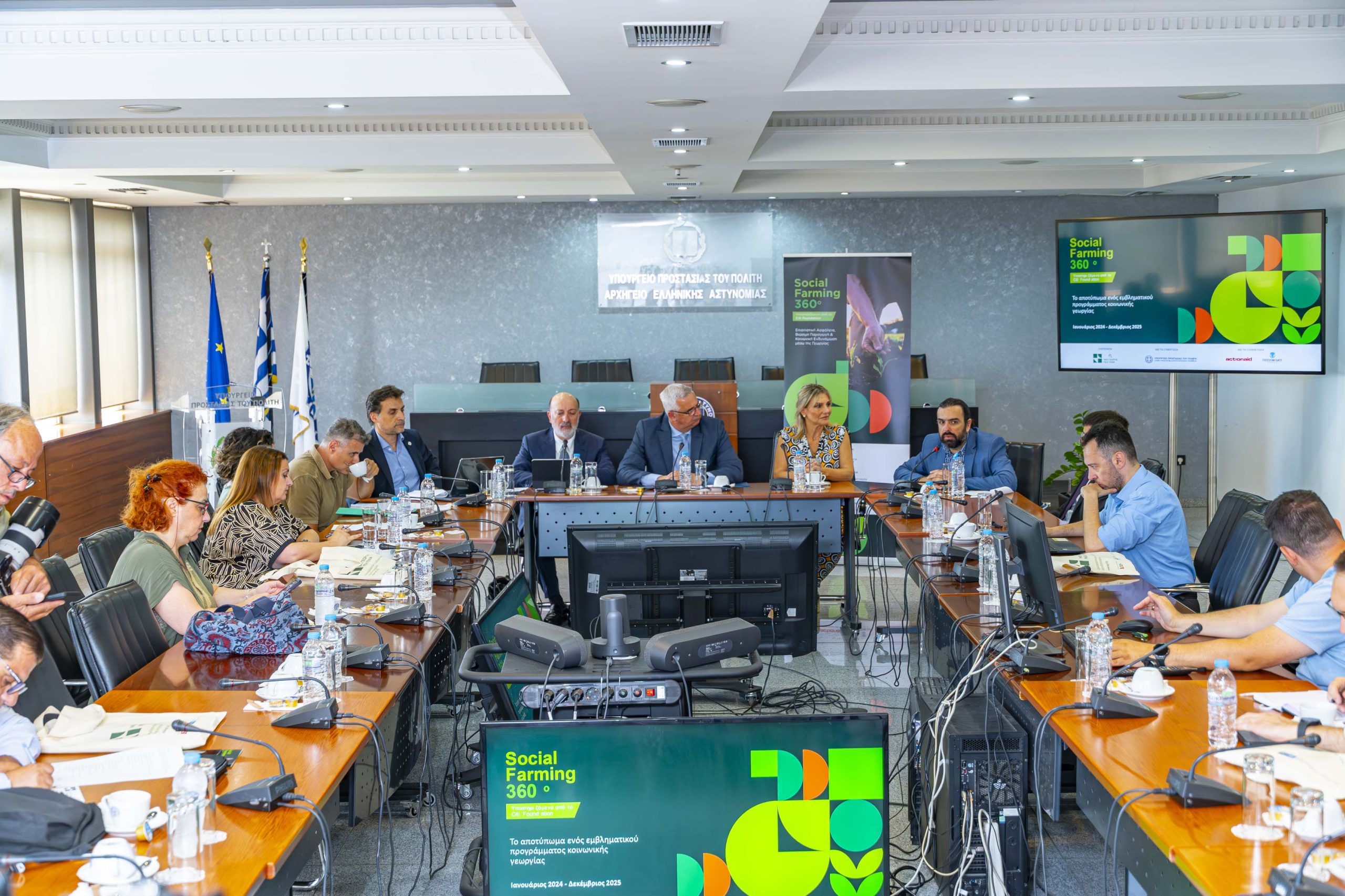
The program’s final press conference.

Watch the programme VIDEO.

Download the programme results leaflet (PDF)

Read more about the program here.

Voices from the field, a feature by Citi Foundation on the program.

See the Special on ΕRT’s channel.

Discover Social Farming 360°’s recognition at the Diversity, Equity & Inclusion Awards 2026.

Available bulletin from the last press conference

The grafting of queen cells 2026 is set to begin | Phase B of the program “Queen Rearing in Central Greece – Utilization, Conservation and Improvement of Honey Bee Genetic Material | Queen Rearing in Practice.”

The program aims at the practical application of queen rearing techniques and the preservation of the valuable endemic genetic material of honey bees.

Within the framework of the initiative, nine trained queen rearers will carry out queen cell grafting at the apiaries of participating beekeepers, presenting the process in detail and offering on-site guidance and hands-on support to address questions. Each participating beekeeper will have the opportunity to receive up to 30 queen cells free of charge, sourced from selected genetic material, and to become familiar—step by step—with the queen rearing process alongside trained local queen rearers.

The program is implemented in the Regional Units of Boeotia, Evrytania, Phthiotis, and Phocis and is addressed to beekeepers in Central Greece, excluding Evia. Participants are offered specialized field-based training and free queen cells derived from the genetic material of the beneficiary beekeeper.

The grafting activities of the program will take place from February to May 2026, and participation is free of charge.
The program’s core objective is to strengthen biodiversity and support beekeeping in Central Greece through the improvement and conservation of local genetic material, contributing to the sustainability of the sector and the resilience of bee colonies.

The primary goal of the program is to reinforce beekeeping in Central Greece and enhance the region’s biodiversity and local agricultural production, as bees are among the most important pollinators of plants.

At the same time, the long-term objective of the initiative is the large-scale production of selected genetic material across the Regional Units of Boeotia, Evrytania, Phthiotis, and Phocis, with the ultimate aim of increasing productivity and developing more resilient bee colonies through the optimization of endemic genetic material.

The program is co-funded by Nea Georgia Nea Genia, the Region of Central Greece, the John S. Latsis Public Benefit Foundation, and APIVITA, within the framework of the Billion Bees Program.
The program was established through the founding donation of the Stavros Niarchos Foundation (SNF) and is implemented in collaboration with the Agricultural University of Athens, under the scientific supervision of the Laboratory of Sericulture and Apiculture.

Learn more about the program and submit your application via the following link: https://newagri.org/en/lines-of-action/10620/

The grafting of queen cells 2026 is set to begin | Phase B of the program “Queen Rearing in Central Greece – Utilization, Conservation and Improvement of Honey Bee Genetic Material | Queen Rearing in Practice.”

The program aims at the practical application of queen rearing techniques and the preservation of the valuable endemic genetic material of honey bees.

Within the framework of the initiative, nine trained queen rearers will carry out queen cell grafting at the apiaries of participating beekeepers, presenting the process in detail and offering on-site guidance and hands-on support to address questions. Each participating beekeeper will have the opportunity to receive up to 30 queen cells free of charge, sourced from selected genetic material, and to become familiar—step by step—with the queen rearing process alongside trained local queen rearers.

The program is implemented in the Regional Units of Boeotia, Evrytania, Phthiotis, and Phocis and is addressed to beekeepers in Central Greece, excluding Evia. Participants are offered specialized field-based training and free queen cells derived from the genetic material of the beneficiary beekeeper.

The grafting activities of the program will take place from February to May 2026, and participation is free of charge.
The program’s core objective is to strengthen biodiversity and support beekeeping in Central Greece through the improvement and conservation of local genetic material, contributing to the sustainability of the sector and the resilience of bee colonies.

The primary goal of the program is to reinforce beekeeping in Central Greece and enhance the region’s biodiversity and local agricultural production, as bees are among the most important pollinators of plants.

At the same time, the long-term objective of the initiative is the large-scale production of selected genetic material across the Regional Units of Boeotia, Evrytania, Phthiotis, and Phocis, with the ultimate aim of increasing productivity and developing more resilient bee colonies through the optimization of endemic genetic material.

The program is co-funded by Nea Georgia Nea Genia, the Region of Central Greece, the John S. Latsis Public Benefit Foundation, and APIVITA, within the framework of the Billion Bees Program.
The program was established through the founding donation of the Stavros Niarchos Foundation (SNF) and is implemented in collaboration with the Agricultural University of Athens, under the scientific supervision of the Laboratory of Sericulture and Apiculture.

Learn more about the program and submit your application via the following link: https://newagri.org/en/lines-of-action/10620/

The grafting of queen cells 2026 is set to begin | Phase B of the program “Queen Rearing in Central Greece – Utilization, Conservation and Improvement of Honey Bee Genetic Material | Queen Rearing in Practice.”

The program aims at the practical application of queen rearing techniques and the preservation of the valuable endemic genetic material of honey bees.

Within the framework of the initiative, nine trained queen rearers will carry out queen cell grafting at the apiaries of participating beekeepers, presenting the process in detail and offering on-site guidance and hands-on support to address questions. Each participating beekeeper will have the opportunity to receive up to 30 queen cells free of charge, sourced from selected genetic material, and to become familiar—step by step—with the queen rearing process alongside trained local queen rearers.

The program is implemented in the Regional Units of Boeotia, Evrytania, Phthiotis, and Phocis and is addressed to beekeepers in Central Greece, excluding Evia. Participants are offered specialized field-based training and free queen cells derived from the genetic material of the beneficiary beekeeper.

The grafting activities of the program will take place from February to May 2026, and participation is free of charge.
The program’s core objective is to strengthen biodiversity and support beekeeping in Central Greece through the improvement and conservation of local genetic material, contributing to the sustainability of the sector and the resilience of bee colonies.

The primary goal of the program is to reinforce beekeeping in Central Greece and enhance the region’s biodiversity and local agricultural production, as bees are among the most important pollinators of plants.

At the same time, the long-term objective of the initiative is the large-scale production of selected genetic material across the Regional Units of Boeotia, Evrytania, Phthiotis, and Phocis, with the ultimate aim of increasing productivity and developing more resilient bee colonies through the optimization of endemic genetic material.

The program is co-funded by Nea Georgia Nea Genia, the Region of Central Greece, the John S. Latsis Public Benefit Foundation, and APIVITA, within the framework of the Billion Bees Program.
The program was established through the founding donation of the Stavros Niarchos Foundation (SNF) and is implemented in collaboration with the Agricultural University of Athens, under the scientific supervision of the Laboratory of Sericulture and Apiculture.

Learn more about the program and submit your application via the following link: https://newagri.org/en/lines-of-action/10620/

The grafting of queen cells 2026 is set to begin | Phase B of the program “Queen Rearing in Central Greece – Utilization, Conservation and Improvement of Honey Bee Genetic Material | Queen Rearing in Practice.”

The program aims at the practical application of queen rearing techniques and the preservation of the valuable endemic genetic material of honey bees.

Within the framework of the initiative, nine trained queen rearers will carry out queen cell grafting at the apiaries of participating beekeepers, presenting the process in detail and offering on-site guidance and hands-on support to address questions. Each participating beekeeper will have the opportunity to receive up to 30 queen cells free of charge, sourced from selected genetic material, and to become familiar—step by step—with the queen rearing process alongside trained local queen rearers.

The program is implemented in the Regional Units of Boeotia, Evrytania, Phthiotis, and Phocis and is addressed to beekeepers in Central Greece, excluding Evia. Participants are offered specialized field-based training and free queen cells derived from the genetic material of the beneficiary beekeeper.

The grafting activities of the program will take place from February to May 2026, and participation is free of charge.
The program’s core objective is to strengthen biodiversity and support beekeeping in Central Greece through the improvement and conservation of local genetic material, contributing to the sustainability of the sector and the resilience of bee colonies.

The primary goal of the program is to reinforce beekeeping in Central Greece and enhance the region’s biodiversity and local agricultural production, as bees are among the most important pollinators of plants.

At the same time, the long-term objective of the initiative is the large-scale production of selected genetic material across the Regional Units of Boeotia, Evrytania, Phthiotis, and Phocis, with the ultimate aim of increasing productivity and developing more resilient bee colonies through the optimization of endemic genetic material.

The program is co-funded by Nea Georgia Nea Genia, the Region of Central Greece, the John S. Latsis Public Benefit Foundation, and APIVITA, within the framework of the Billion Bees Program.
The program was established through the founding donation of the Stavros Niarchos Foundation (SNF) and is implemented in collaboration with the Agricultural University of Athens, under the scientific supervision of the Laboratory of Sericulture and Apiculture.

Learn more about the program and submit your application via the following link: https://newagri.org/en/lines-of-action/10620/

The grafting of queen cells 2026 is set to begin | Phase B of the program “Queen Rearing in Central Greece – Utilization, Conservation and Improvement of Honey Bee Genetic Material | Queen Rearing in Practice.”

The program aims at the practical application of queen rearing techniques and the preservation of the valuable endemic genetic material of honey bees.

Within the framework of the initiative, nine trained queen rearers will carry out queen cell grafting at the apiaries of participating beekeepers, presenting the process in detail and offering on-site guidance and hands-on support to address questions. Each participating beekeeper will have the opportunity to receive up to 30 queen cells free of charge, sourced from selected genetic material, and to become familiar—step by step—with the queen rearing process alongside trained local queen rearers.

The program is implemented in the Regional Units of Boeotia, Evrytania, Phthiotis, and Phocis and is addressed to beekeepers in Central Greece, excluding Evia. Participants are offered specialized field-based training and free queen cells derived from the genetic material of the beneficiary beekeeper.

The grafting activities of the program will take place from February to May 2026, and participation is free of charge.
The program’s core objective is to strengthen biodiversity and support beekeeping in Central Greece through the improvement and conservation of local genetic material, contributing to the sustainability of the sector and the resilience of bee colonies.

The primary goal of the program is to reinforce beekeeping in Central Greece and enhance the region’s biodiversity and local agricultural production, as bees are among the most important pollinators of plants.

At the same time, the long-term objective of the initiative is the large-scale production of selected genetic material across the Regional Units of Boeotia, Evrytania, Phthiotis, and Phocis, with the ultimate aim of increasing productivity and developing more resilient bee colonies through the optimization of endemic genetic material.

The program is co-funded by Nea Georgia Nea Genia, the Region of Central Greece, the John S. Latsis Public Benefit Foundation, and APIVITA, within the framework of the Billion Bees Program.
The program was established through the founding donation of the Stavros Niarchos Foundation (SNF) and is implemented in collaboration with the Agricultural University of Athens, under the scientific supervision of the Laboratory of Sericulture and Apiculture.

Learn more about the program and submit your application via the following link: https://newagri.org/en/lines-of-action/10620/

Queen Rearing in Thessaly: Distribution of Queen Cells to Support Local Beekeeping

Continuing support for beekeepers in Thessaly

A new strategic initiative to restart beekeeping in Thessaly is launched through the program “Queen Rearing in Thessaly: Distribution of Queen Cells to Support Local Beekeeping”, announced by the organization New Agriculture New Generation, aiming to support beekeepers affected by storm Daniel in 2023.

The program builds on previous successful initiatives supporting the local beekeeping community and responds to multiple requests for further assistance and restoration of production activity.

The impact of storm Daniel

Storm “Daniel” caused extensive damage in Thessaly, leading to the loss of more than 40% of bee colonies and significantly affecting a sector that plays a crucial role in agricultural production and biodiversity in the region.

From the very beginning, the organization Νέα Γεωργία Νέα Γενιά has stood by affected beekeepers, providing more than 27,000 queen cells, which contributed to the creation of over 21,600 new bee colonies.

What the program includes

The program will be implemented from April to September 2026 and will support up to 150 beekeepers in Thessaly through the free distribution of 10,000 queen cells derived from endemic genetic material of the region.

The production of queen cells will be carried out by 8 specialized queen breeders, who have already been trained through previous programs of the organization and utilize selected genetic material, either their own or that of participating beekeepers.

This approach enhances the development of high-quality and resilient bee colonies and contributes to the long-term sustainability of the sector.

Partnerships and implementation

The program is designed and implemented by the organization New Agriculture New Generation, in collaboration with the Agricultural University of Athens and under the scientific guidance of the Laboratory of Sericulture and Apiculture, supervised by Assistant Professor Georgios Gkoras.

It is co-funded by the Region of Thessaly, the John S. Latsis Public Benefit Foundation and APIVITA within the framework of the Billion Bees Program.

Who can participate

Priority will be given to beekeepers affected by storm Daniel, following the evaluation of applications.

Areas of implementation

The program is implemented in the following Regional Units:

  • Larissa
  • Karditsa
  • Magnesia
  • Trikala

Applications

The first application cycle will remain open until April 24, 2026.

Learn more about the program and submit your application via the following link: https://newagri.org/en/lines-of-action/

Program impact

The initiative aims to support affected beekeepers, preserve and utilize local bee genetic material, and strengthen the long-term sustainability of the sector.

At the same time, it contributes to strengthening the local beekeeping community and preserving biodiversity, as bees are among the most important pollinators of crops.

Extension of applications for the “Queen Rearing in Thessaly” program

The deadline for submitting applications for the program
“Queen Rearing in Thessaly: Distribution of queen cells to support local beekeeping”
has been extended until Friday, April 24.

A new strategic initiative to restart beekeeping in Thessaly is launched through the program “Queen Rearing in Thessaly: Distribution of Queen Cells to Support Local Beekeeping”, announced by the organization New Agriculture New Generation, aiming to support beekeepers affected by storm Daniel in 2023.

The program builds on previous successful initiatives supporting the local beekeeping community and responds to multiple requests for further assistance and restoration of production activity.

The impact of storm Daniel

Storm “Daniel” caused extensive damage in Thessaly, leading to the loss of more than 40% of bee colonies and significantly affecting a sector that plays a crucial role in agricultural production and biodiversity in the region.

From the very beginning, the organization Νέα Γεωργία Νέα Γενιά has stood by affected beekeepers, providing more than 27,000 queen cells, which contributed to the creation of over 21,600 new bee colonies.

What the program includes

The program will be implemented from April to September 2026 and will support up to 150 beekeepers in Thessaly through the free distribution of 10,000 queen cells derived from endemic genetic material of the region.

The production of queen cells will be carried out by 8 specialized queen breeders, who have already been trained through previous programs of the organization and utilize selected genetic material, either their own or that of participating beekeepers.

This approach enhances the development of high-quality and resilient bee colonies and contributes to the long-term sustainability of the sector.

Partnerships and implementation

The program is designed and implemented by the organization New Agriculture New Generation, in collaboration with the Agricultural University of Athens and under the scientific guidance of the Laboratory of Sericulture and Apiculture, supervised by Assistant Professor Georgios Gkoras.

It is co-funded by the Region of Thessaly, the John S. Latsis Public Benefit Foundation and APIVITA within the framework of the Billion Bees Program.

Who can participate

Priority will be given to beekeepers affected by storm Daniel, following the evaluation of applications.

Areas of implementation

The program is implemented in the following Regional Units:

  • Larissa
  • Karditsa
  • Magnesia
  • Trikala

Applications

The first application cycle will remain open until April 24, 2026.

Learn more about the program and submit your application via the following link: https://newagri.org/en/lines-of-action/

Program impact

The initiative aims to support affected beekeepers, preserve and utilize local bee genetic material, and strengthen the long-term sustainability of the sector.

At the same time, it contributes to strengthening the local beekeeping community and preserving biodiversity, as bees are among the most important pollinators of crops.

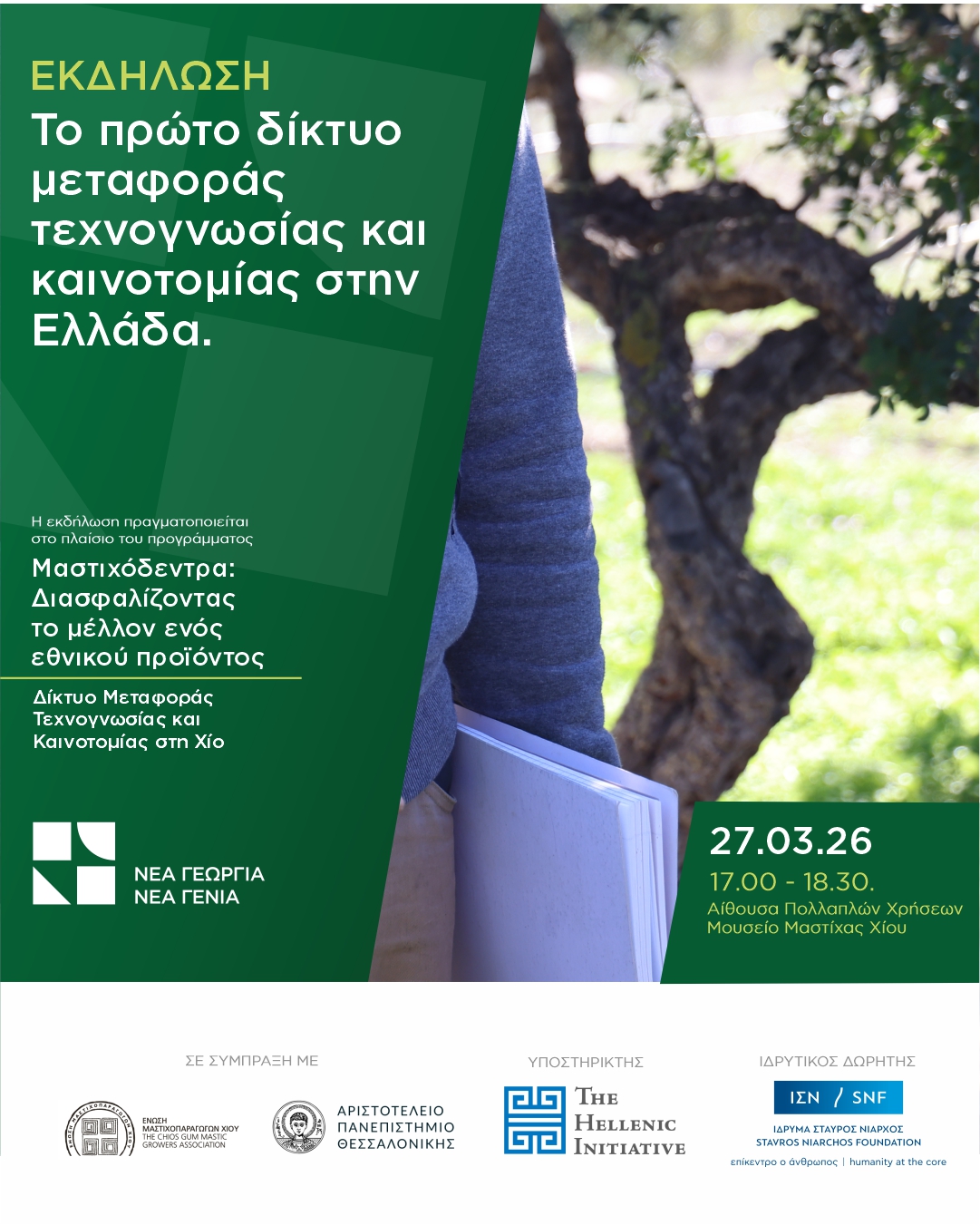
Start of Classes for the Program “Mastic Trees: Securing the Future of a National Product” for 2026

The organization New Agriculture New Generation announces the start of classes for the program “Mastic Trees: Securing the Future of a National Product” on January 30, 2026.

The program aims to continuously strengthen the sustainability, resilience and competitiveness of mastic cultivation on the island of Chios. Its educational activities include a series of specialized courses designed to cover critical areas relevant to mastic producers.

To date, more than 250 mastic producers have participated in the first organized knowledge and innovation transfer network for mastic cultivation on Chios, receiving training from specialized scientists as well as from a team of 24 specially trained mastic producers (farmer-to-farmer training) on technical topics and cultivation practices. The program was established through the founding donation of the Stavros Niarchos Foundation (SNF).

The devastating impact of the September 2024 floods on mastic cultivation on the island highlighted the need to expand the program and strengthen support for mastic producers. The program’s expansion was made possible with the support of the internationally recognized organization The Hellenic Initiative (THI).

The 2026 courses will focus on the following topics:

  1. Mastic secretion mechanisms

  2. Nutrition of mastic trees

  3. Cooperation and cooperatives

  4. Financial tools for mastic producers

The program will conclude in late March 2026 with a closing event, where the results of the activities will be presented and the benefits for the local agricultural community highlighted.

The program is designed and implemented in collaboration with the Floriculture Laboratory of the Department of Agriculture at Aristotle University of Thessaloniki and the Chios Mastic Producers Association. The scientific team includes experienced university professors, coordinated by Associate Professor Mr. Stefanos Chatzilazarou.

The program is co-funded by New Agriculture New Generation, The Hellenic Initiative (THI) and the Chios Mastic Producers Association.

For more information about the program: https://newagri.org/en/lines-of-action/mastichodentra-diasfalizontas-to-mellon-enos-ethnikou-proiontos/

New Job Opening | EU Programmes Officer

Company Description
New Agriculture New Generation is a non-profit organization working to advance the agrifood sector in Greece by implementing training programs, building advisory networks, and fostering innovation and entrepreneurship with a positive social impact.


EU Programmes Officer

The Programmes Department of the organization is seeking to recruit an EU Programmes Officer.

The ideal candidate will have experience in the development and writing of proposals for European funding programmes (with a focus on Horizon Europe), as well as the ability to coordinate projects and collaborations in an international environment. The role requires strong analytical thinking, excellent writing skills, effective deadline management, and the ability to work with multiple stakeholders.

The selected candidate will actively contribute to strengthening the organization’s presence in European funding programmes by supporting the development of competitive proposals and fostering international partnerships. The role involves close collaboration with internal teams and external partners, contributing to the achievement of strategic objectives and maximizing the impact of the organization’s activities.


Key Responsibilities

  • Contribute to and/or coordinate the development of proposals for European funding programmes (especially Horizon Europe)
  • Draft key proposal sections (e.g. Excellence, Impact)
  • Identify funding opportunities and support the development of relevant proposals
  • Coordinate collaborations with international partners and consortia
  • Support the management and implementation of European projects
  • Contribute to the organization’s strategic development in relation to EU programmes

Required Qualifications

  • 3–5 years of professional experience in European funding programmes (ideally Horizon Europe)
  • Proven experience in proposal writing and/or co-writing
  • Strong writing skills under tight deadlines
  • Analytical thinking and strong organizational skills
  • Excellent command of English (written and spoken)

Preferred Qualifications

  • Experience in writing successful Excellence and/or Impact sections
  • Experience in Capacity Building projects
  • Active network within European consortia
  • Knowledge of agrifood systems, entrepreneurship, or management
  • Understanding of the non-profit sector

What We Offer

  • Private health insurance
  • Remote working days
  • Opportunities for professional growth, networking, and skill development
  • Continuous guidance and involvement in European projects
  • A structured, collaborative, and supportive working environment
  • The opportunity to contribute to an organization with a strong social and developmental impact

Application Process
Interested candidates are invited to submit their CV and a cover letter by April 27, 2026, to the following email addresses:
[email protected]
[email protected]


Please note:
Only shortlisted candidates will be contacted within two (2) weeks of the application deadline. If you do not hear from us within this timeframe, please consider that your application has not been selected for the next stage.

For future opportunities, we encourage you to follow New Agriculture New Generation on LinkedIn and stay up to date with our news on Facebook and Instagram.

All applications will be treated as strictly confidential and in accordance with the General Data Protection Regulation (GDPR).