Νέα Γεωργία Νέα Γενιά

The Bridge to Employment: Future READY Programme Launched to Empower and Enhance the Employability of 500+ Young People

A new initiative to empower young people and bridge the gap between education and the labour market was presented on Monday, 29 June 2026. The Bridge to Employment: Future READY (BE Future READY) programme is implemented by New Agriculture New Generation in partnership with ActionAid, with the support of Citi Foundation, and aims to support more than 500 young people across Greece.

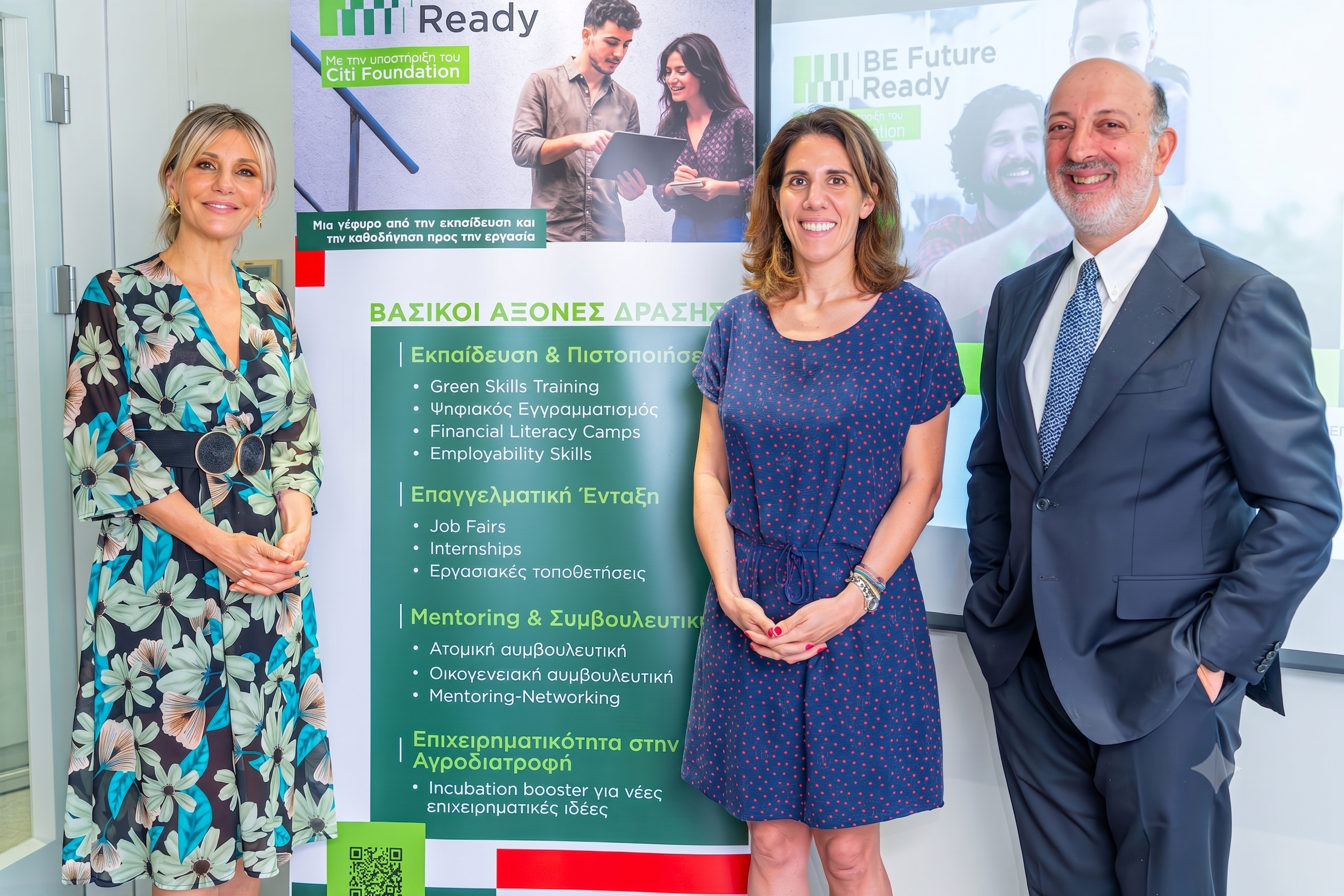
The programme was presented at the offices of Citi Greece in Athens. The event was attended by Emilios Kyriakou, CEO and Head of Banking for Citi Greece, Cyprus & Malta, Effie Lazaridou, CEO of New Agriculture New Generation, Eva Polyzogopoulou, General Director of ActionAid Greece, and Dimitris Voloudakis, Programmes Director at New Agriculture New Generation.

Following a brief welcome by the representatives of the organisations implementing the programme, Mr Voloudakis presented its main features.

The Bridge to Employment: Future READY Programme

Bridge to Employment: Future READY will run until February 2028 and aims to build a meaningful and sustainable pathway to employment, placing particular emphasis on young people from vulnerable social and economic backgrounds, rural and semi-urban areas, as well as young people with migrant or refugee backgrounds.

The programme primarily targets young people aged 15–24, while a smaller percentage of participants aged 25–29 will also be eligible to take part. Through a comprehensive portfolio of activities, the programme invests in developing skills that respond to the needs of today’s labour market, offering vocational training, Green Skills education, financial and digital literacy, career guidance, counselling services, mentoring, and direct networking opportunities with employers.

By leveraging CULTIVATE, the digital learning platform developed by New Agriculture New Generation, the programme ensures that young people from every region of Greece have access to educational resources, counselling services and professional development opportunities, regardless of where they live.

The Role of the Implementing Organisations

As the lead implementing organisation of the Bridge to Employment: Future READY programme, New Agriculture New Generation is responsible for the overall design, coordination and implementation of the programme’s activities. Building on its experience and expertise in designing high-impact educational programmes, the organisation develops initiatives that strengthen young people’s skills and create meaningful pathways to employment, with particular emphasis on the agrifood sector and the green economy.

Within the framework of the programme, ActionAid is responsible for implementing activities focused on developing financial, digital and employability skills. More specifically, through 10 experiential training camps, one business ideas Hackathon, 100 personalised mentoring sessions, two Job Fairs in Athens and Thessaloniki, ten employability skills seminar cycles, and collaborations with employers, among other activities, the programme aims to equip young people with the knowledge, confidence and opportunities they need to plan their next professional steps.

The Programme’s First Action

The programme’s first educational initiative is the Green Skills training cycle, implemented by New Agriculture New Generation, launching on 1 July 2026. It will provide participants with knowledge and skills related to sustainable development, the green economy and modern practices in the agrifood sector.

The programme includes four 60-hour training cycles, aiming to engage 240 young participants, who will receive ACTA certification upon successful completion. The training is delivered entirely online through the CULTIVATE platform, combining asynchronous learning, educational resources, self-study and assessment, and will remain available until December 2027.

Statements

During the presentation, Emilios Kyriakou stated:

“The future of Greek agrifood lies with the younger generation, and Future READY is an investment in exactly that. Through the exclusive support of Citi Foundation and the voluntary participation of Citi Greece executives as mentors, we are helping young people develop their skills while discovering and unlocking their potential. In doing so, we are also contributing to the strengthening of the agrifood sector, a key pillar of Greece’s economic development.”

Effie Lazaridou commented:

“Bridge to Employment: Future READY is a particularly important initiative made possible through the support of Citi Foundation. At New Agriculture New Generation, we draw on our experience in skills development, education and entrepreneurship support to offer young people meaningful opportunities for personal and professional growth. Our collaboration with ActionAid Hellas gives the programme a holistic character, combining the development of modern skills, career preparation, entrepreneurship support and meaningful connections with the labour market. We believe that only through partnerships like these can we create real prospects and provide meaningful opportunities to groups of young people who might otherwise not have access to them.”

Eva Polyzogopoulou noted that for many young people, access to education, skills development and the labour market cannot be taken for granted, and that this challenge begins at a very early stage in life, while they are still children.

“The Be Future Ready programme serves as a catalyst, allowing us to extend the experience and expertise we have gained in developing financial, digital and employability skills—from our Community Centre in Athens and our Youth Centre in Thessaloniki—to every corner of Greece. We are truly delighted to be part of this collective effort and confident that, through this collaboration, we will achieve not only tangible results but also meaningful and lasting social change.”

Partnership with Citi Foundation

This marks the second time that New Agriculture New Generation has been selected by Citi Foundation as part of the Global Innovation Challenge, having previously been recognised in 2023 for the Social Farming 360 programme, implemented in collaboration with the General Secretariat for Anti-Crime Policy, ActionAid and Freedom Gate. At the same time, the organisation also participates in another Global Innovation Challenge initiative led by PRAKSIS, focusing on the labour market integration of people experiencing housing insecurity.

More information is available at: https://befutureready.gr/

The Bridge to Employment: Future READY Programme Launched to Empower and Enhance the Employability of 500+ Young People

Bridge to Employment: Future READY is a comprehensive youth empowerment programme in Greece, designed to equip young people with the skills, knowledge and opportunities they need to successfully enter the labour market. Through skills development, career preparation, entrepreneurship support and meaningful connections with employers, the programme aims to strengthen young people’s employability and future prospects.

Implemented by New Agriculture New Generation in partnership with ActionAid and with the support of Citi Foundation, the programme seeks to build a meaningful bridge between education and employment, supporting more than 500 young people across Greece.

Bridge to Employment: Future READY will run until February 2028 and primarily targets young people aged 15–24, while a smaller percentage of participants aged 25–29 will also be eligible to take part. Particular emphasis is placed on young people from vulnerable social and economic backgrounds, rural and semi-urban areas, as well as those with migrant or refugee backgrounds.

Through a comprehensive portfolio of activities, the programme invests in developing skills that respond to the needs of today’s labour market, offering vocational training, Green Skills education, financial and digital literacy, career guidance, counselling services, mentoring and opportunities to connect directly with employers. In addition, by leveraging the CULTIVATE digital learning platform, the programme ensures that young people from every region of Greece have access to educational resources, counselling services and professional development opportunities.

The programme’s first educational initiative is the Green Skills training cycle, launching on 1 July 2026. The programme includes four training cycles of 60 hours each, aiming to engage 240 young participants, who will receive ACTA certification upon successful completion. The training is delivered entirely online through the CULTIVATE platform and will remain available until December 2027.


Learn more about the programme: Visit the Bridge to Employment: Future READY website for information about the programme, upcoming training opportunities and open calls for participation.

Apply for the Green Skills programe:  https://befutureready.gr/axones-drasis/green-skills-training/

The Prospects for Beekeeping Development in Central Greece Take Centre Stage

Queen Rearing at the Heart of the Event

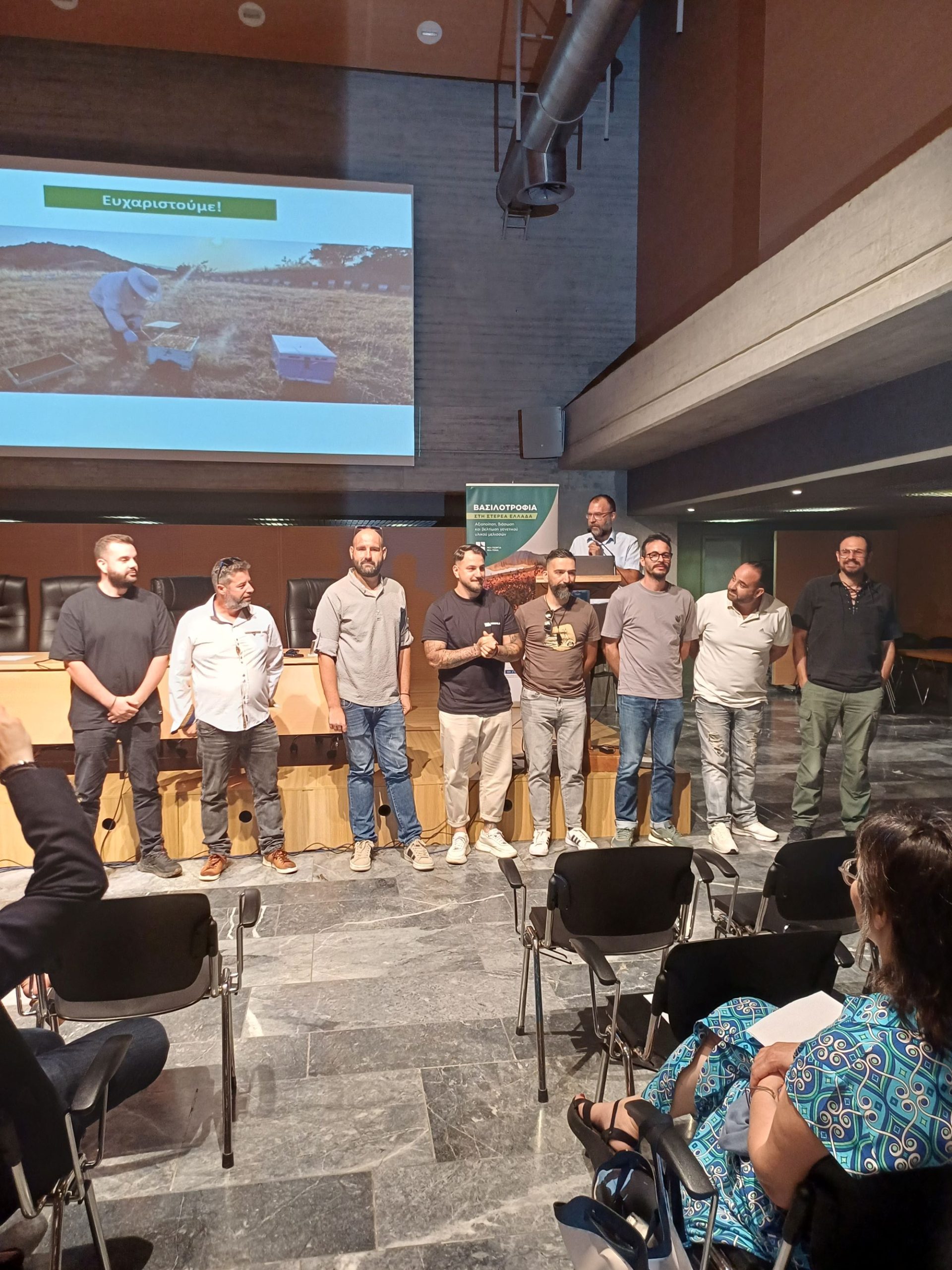
The importance of queen rearing for the future of Greek beekeeping and the sector’s development prospects were at the heart of the event “Prospects for Beekeeping Development”, organised by the Region of Central Greece and New Agriculture New Generation in Livadeia, as part of the programme “Queen Rearing in Central Greece – Utilisation, Preservation and Improvement of Honey Bee Genetic Material.”

The event was hosted at the Multipurpose Hall of the Regional Unit of Boeotia and brought together approximately 50 beekeepers, representatives of public and private organisations, and officials from the Region of Central Greece, confirming the strong interest of the local beekeeping community in improving production and promoting the sustainable development of the sector.

Opening Remarks

Katerina Kalatzi, Vice Governor for Mountainous and Forest Policy of the Region of Central Greece and the Region’s Programme Coordinator, highlighted the Region’s ongoing commitment to providing practical support to local beekeepers, recognising the significant contribution of beekeeping to the local economy, the environment and rural development.

Anastasios Stefanopoulos, CSR Assistant at APIVITA, also delivered welcoming remarks, referring to the importance of the Billion Bees Program and its contribution to protecting and strengthening bee populations.

On behalf of New Agriculture New Generation, Dimitris Voloudakis, Programmes General Director, highlighted the importance of knowledge transfer and networking among producers, emphasising the organisation’s role in strengthening Greece’s agrifood communities.

Welcoming remarks were also delivered by Kostas Apostolopoulos, Vice Governor for Agricultural Economy, Livestock and Fisheries of the Region of Central Greece; Giorgos Dasiotis, Vice Governor of the Regional Unit of Boeotia; and Fani Papathoma, Vice Governor for Tourism and Culture of the Region of Central Greece. The event was moderated by Sotiris Katselos, Communications Director of New Agriculture New Generation.

Presentations and Programme Results

Alexandros Gkousiaris, professional beekeeper, beekeeping trainer and initiator of the programme, presented the importance of selecting and improving bee genetic material, highlighting the crucial role that queen rearing plays in the productivity and resilience of honey bee colonies.

George Gkoras, Assistant Professor at the Agricultural University of Athens and Scientific Coordinator of the programme, then reviewed the programme’s progress from its launch to the present day, presenting its key achievements. He also referred to the accumulated experience gained through similar queen rearing initiatives implemented in previous years in collaboration with New Agriculture New Generation. Special reference was made to the team of nine queen breeders who actively participated in the implementation of the programme, carrying out a total of 250 queen cell grafts across Central Greece.

Kalliopi Karampoiki, Capacity Building Senior Manager at New Agriculture New Generation, presented the programme’s results and the findings of its evaluation. As she noted, participant satisfaction with the training phase reached 97%, while beekeepers identified the ability to apply queen rearing techniques to their own apiaries, as well as the improvement of their colonies’ genetic material, as the programme’s most significant benefits.

The programme also featured a presentation by Fotis Tekos, CEO of FoodOxys and a spin-off company of the University of Thessaly, who analysed the connection between honey and well-being, highlighting the importance of scientific validation in demonstrating the added value and competitive advantage of Greek honey in today’s markets.

Funding Opportunities and Future Prospects for the Sector

The event concluded with a presentation by Nikos Floros from the Directorate of Agricultural and Fisheries Policy of the Region of Central Greece, who presented the available funding instruments and support opportunities that beekeepers can utilise to develop and modernise their businesses.

The session attracted significant interest from participants and was followed by an extensive discussion with the audience, during which both the challenges and the opportunities shaping the future of beekeeping in the region were highlighted.

About the Programme “Queen Rearing in Central Greece”

The programme “Queen Rearing in Central Greece – Utilisation, Preservation and Improvement of Honey Bee Genetic Material” is co-funded by New Agriculture New Generation, the Region of Central Greece, the John S. Latsis Public Benefit Foundation, and APIVITA through the Billion Bees Program.

The programme was established through the founding grant of the Stavros Niarchos Foundation (SNF) to New Agriculture New Generation and is implemented in collaboration with the Agricultural University of Athens, under the scientific guidance of the Laboratory of Sericulture and Apiculture.

Water and Agrifood: From Waste to Sustainable Management – A Critical Discussion at Green Attica Day

Water and Agrifood: From Waste to Sustainable Management – A Critical Discussion at Green Attica Day

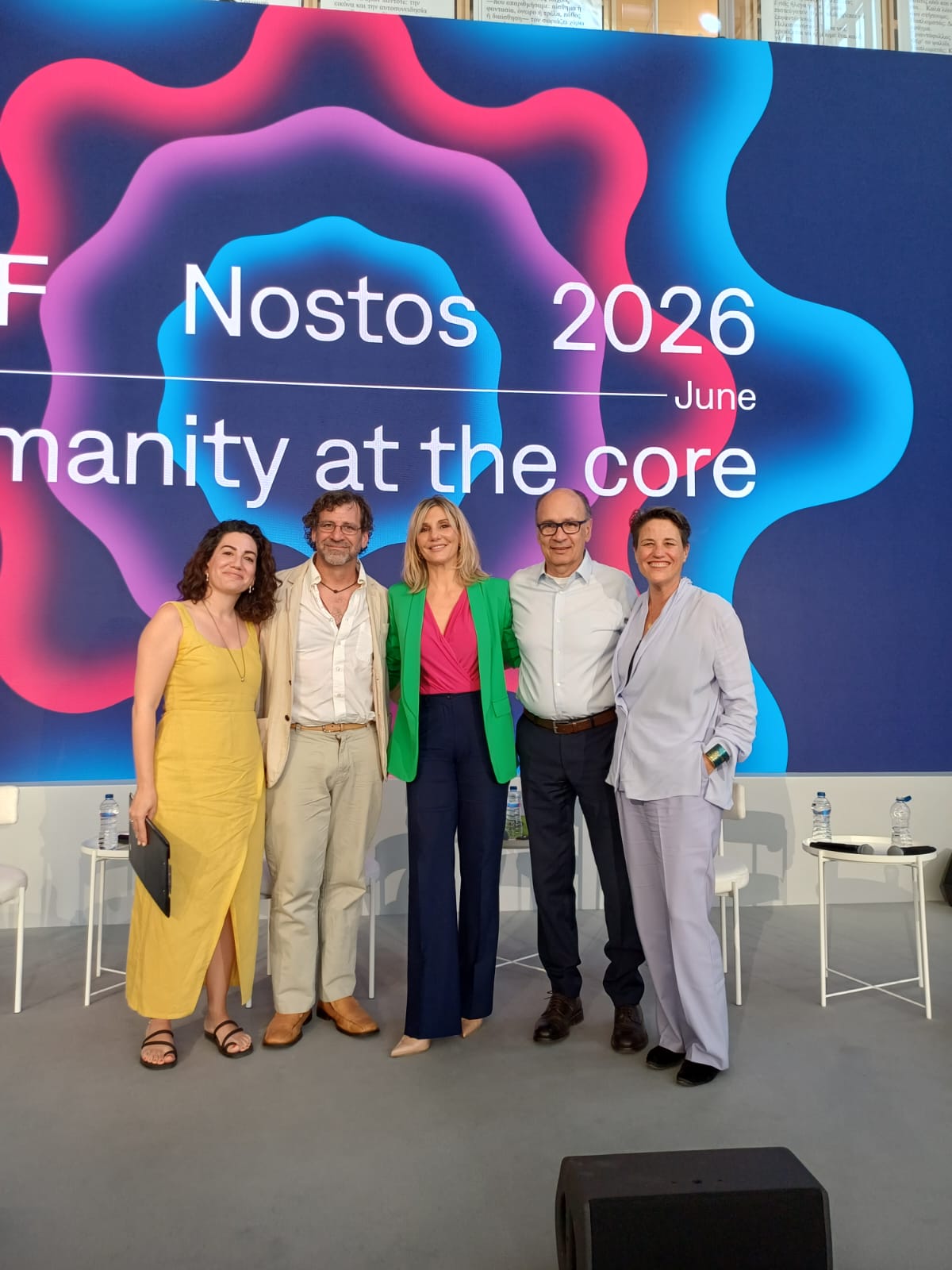
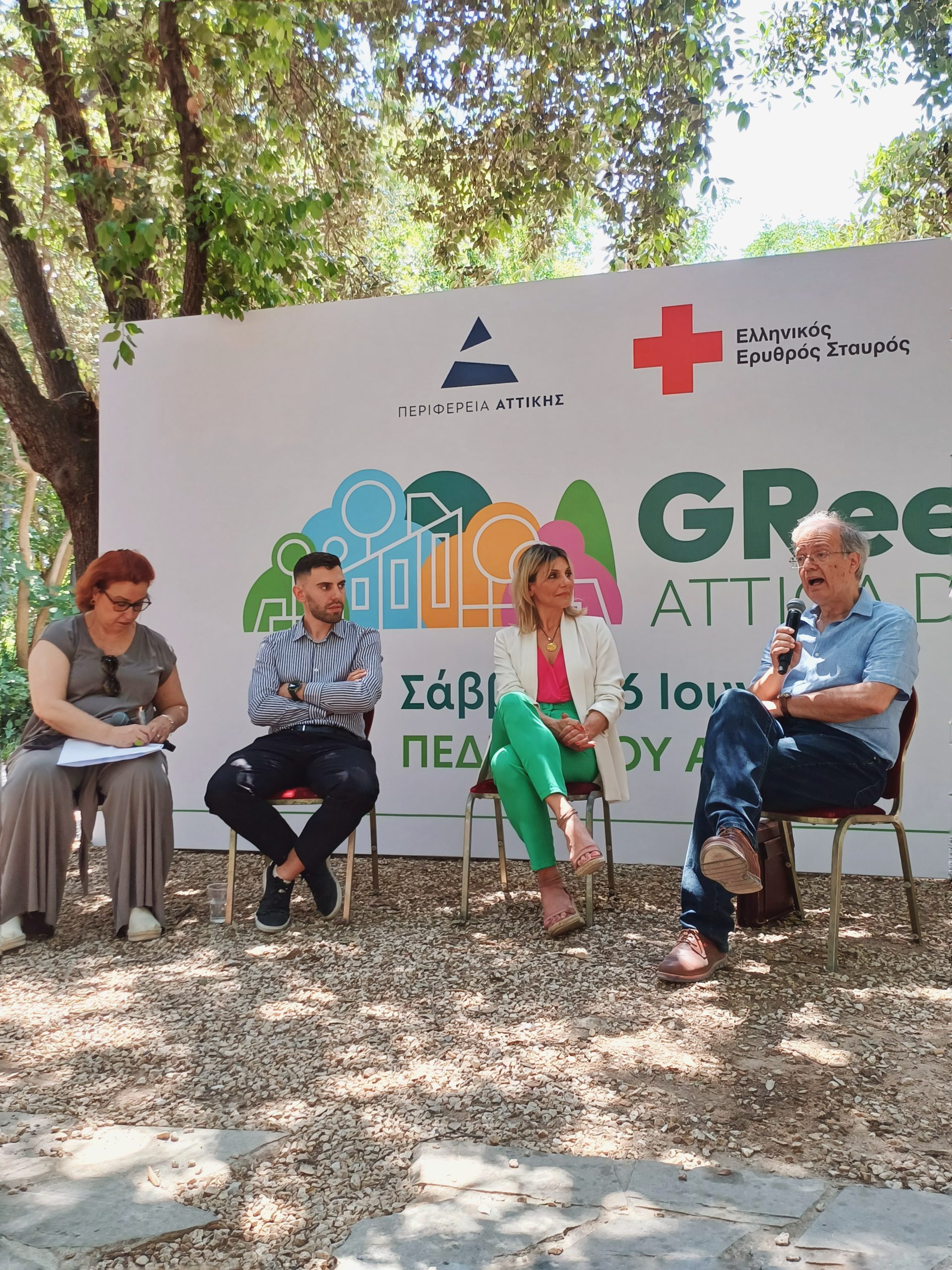
The organization New Agriculture New Generation participated in the Green Attica Day festival by organizing a discussion on one of the most pressing challenges for the environment and a sustainable future: the management of water resources in agrifood systems.

The event was organized by the Region of Attica and the Hellenic Red Cross at Pedion tou Areos Park on June 6, 2026.

Panel Participants

The discussion featured:

  • Nikolaos Derkas, President of the Water Management Organization of Thessaly (ODYTH) and Professor at the Department of Natural Resources Management and Agricultural Engineering of the Agricultural University of Athens.
  • Effie Lazaridou, CEO of New Agriculture New Generation.
  • Dimitris Kourousias, producer of organic legumes and vegetables from Feneos.

The discussion was moderated by Tania Georgiopoulou, journalist at the newspaper Kathimerini.

Addressing the Challenge of Water Management in Agrifood Systems

The discussion highlighted the urgent need for initiatives that improve water management in agrifood systems. Agriculture remains the largest water consumer in Greece, accounting for approximately 80% of the country’s total water consumption, while climate change makes water conservation efforts increasingly necessary.

Participants emphasized that meaningful action must come both from institutional stakeholders and from producers themselves.

As Ms. Georgiopoulou noted:

“The winter of 2025–2026 was one of the rainiest in recent decades according to Meteo. For Athens in particular, it was the third rainiest winter of the last 150 years, based on historical data analysis. At the same time, data available on May 17 showed that Eastern Crete remained under significant drought conditions. Unfortunately, there are no easy solutions to the problem of water scarcity.”

The Current Situation in Greece and the Role of Precision Irrigation

During the main discussion, Mr. Derkas provided an overview of the current state of Greek agriculture, noting that irrigation still relies heavily on groundwater resources.

He also pointed out that, despite improvements observed in certain regions, major interventions aimed at improving water-use efficiency have yet to be implemented on a broader scale.

Referring specifically to Thessaly, he described the current situation as, in many cases, “unregulated,” leading to substantial water losses. He stressed the need for accurate monitoring and measurement of water consumption across the Thessalian plain.

He further noted that if precision irrigation practices were systematically applied in Greece and tailored to the actual needs of crops, up to 40% of the water currently used in agriculture could be saved.

Finally, he highlighted the role of ODYTH, describing it as a pioneering initiative that consolidates water resource management across Thessaly.

The Producer’s Perspective

Mr. Kourousias shared his experience as a producer, emphasizing that the effects of climate change are already evident in everyday agricultural practice.

He stressed that water conservation is no longer optional for farmers and that efficient irrigation contributes not only to lower resource use and production costs, but also to the production of higher-quality and more flavorful products.

At the same time, he underlined the need for both incentives and awareness-raising initiatives to encourage producers to invest in more sustainable water-use practices.

Education, Awareness and Good Practices

Drawing on the organization’s experience working with thousands of producers across Greece, Ms. Lazaridou highlighted the ongoing need for education around climate change, resource conservation and sustainable agricultural practices.

As she stated:

“We need both to inspire and to inform. We must showcase positive examples by encouraging producers who have already invested in sustainable practices to share the practical benefits of more efficient water use, both for their farms and for local ecosystems. Awareness campaigns are essential so that rural communities can better understand the challenges ahead, as well as the modern practices and tools available to them. At the same time, public authorities must support this transition through funding initiatives that facilitate the adoption of these practices.”

A Shared Conclusion: The Need for Immediate Action

The discussion concluded with a summary of the key takeaways presented by Ms. Georgiopoulou, who once again emphasized the need for immediate action at all levels.

New Agriculture New Generation remains committed to supporting the transformation of Greece’s agrifood ecosystem and accelerating the transition toward more efficient and sustainable management of precious water resources.

Chios Mastiha Featured in ERT3 Tribute Marking the Completion of the “Mastiha Trees” Program

A tribute to Chios mastiha and the people behind it

Chios mastiha is a unique product of Greek agrifood heritage, deeply rooted in tradition and in knowledge passed down from generation to generation, shaping the identity and daily life of local communities to this day.

On the occasion of the completion of the program “Mastiha Trees: Securing the Future of a National Product,” New Agriculture New Generation presents ERT3’s feature from the program “From Field to Shelf,” which highlights the journey of mastiha, from cultivation to the final product.

▶️ Watch the full feature on YouTube:
https://www.youtube.com/watch?v=VoNUrdA_m6k

About the “Mastiha Trees” Program

The program is implemented by New Agriculture New Generation, in collaboration with the Chios Gum Mastic Growers Association and Aristotle University of Thessaloniki, through the founding donation of the Stavros Niarchos Foundation (SNF).

The program aims to strengthen the sustainability of mastiha cultivation through knowledge transfer and producer support, contributing to safeguarding the future of a national product of particular importance to Greece’s economy and cultural heritage.

🔗 Learn more about the program:
https://newagri.org/axones-drasis/mastichodentra-diasfalizontas-to-mellon-enos-ethnikou-proiontos/

Easter Wishes from New Agriculture New Generation!

Easter Wishes

Easter brings us closer to what truly matters: family, community, and the renewing force of nature.

In the countryside, traditions come to life, and the Resurrection fills communities with light and hope.

New Agriculture New Generation wishes you a
Happy Easter, with health, peace, and strength for a fresh and creative new beginning.

Warm wishes for the season!

Office Closure

Please note that our offices will remain closed from Good Friday, April 10, until Easter Monday, April 13.

Efi Lazaridou Addresses the Interparty Parliamentary Committee on Strengthening Greece’s Primary Sector

March 4, 2026 – Address to the Interparty Parliamentary Committee

On March 4, 2026, a session of the Interparty Parliamentary Committee was held with the objective of examining key challenges and formulating proposals to strengthen the primary sector in light of contemporary challenges and international developments.

During the session, Efi Lazaridou, CEO of New Agriculture New Generation, delivered a statement focusing on agricultural education as a key pillar for sustainable rural development.

The Role of Agricultural Education Today

As highlighted in the address, agricultural knowledge today extends far beyond production. It encompasses entrepreneurship, technology adoption, sustainable practices, regulatory compliance, collaboration, and risk management.

At the same time, a significant gap in agricultural education in Greece continues to act as a barrier to modernization and competitiveness. Indicatively, 9 out of 10 farm managers lack formal agricultural training, while even among younger generations, the percentage of those with comprehensive agricultural education remains extremely low.

Three Key Areas of Intervention

The address focused on three core areas of intervention considered essential for strengthening the sector:

Knowledge transfer networks and farmer-to-farmer learning

Particular emphasis was placed on Demonstration Farm Networks and farmer-to-farmer learning as effective mechanisms for disseminating practical knowledge at scale.

Although these tools are already included in Greece’s Common Agricultural Policy Strategic Plan, they have yet to be fully implemented at the national level. At the same time, New Agriculture New Generation is already applying these methodologies through pilot initiatives with measurable impact.

Strengthening processing and cottage industry activity

The address also highlighted the need to support producers in developing processing and cottage industry activities through:

  • lifelong learning initiatives
  • tailored advisory services
  • stronger connections with markets and specialized professionals

A key priority identified is the establishment of a comprehensive support mechanism—a “one-stop shop”—to guide producers from concept to market.

Developing leadership skills in the agri-food sector

Special emphasis was placed on the need to cultivate leadership skills among agri-food professionals.

The goal is to foster a new generation of producers who:

  • combine knowledge with practical skills
  • understand the sector at both micro and macro levels
  • drive innovation and collaboration
  • actively contribute to the transformation of the sector

In this context, strengthening soft skills, networking, and access to high-level institutional and business environments is considered essential.

The Four Proposals

The four proposals presented during the intervention are as follows:

First – National skills targets: Establish modern, measurable targets based on real socio-economic impact rather than simple participation in programs, with consistent annual monitoring.

Second – Immediate implementation of AKIS provisions: Activate Demonstration Farm Networks and farmer-to-farmer learning networks across the country, with regional specialization based on local production priorities.

Third – Creation of a one-stop shop support system: Provide structured advisory and guidance services for producers entering processing and cottage industry, ensuring access to business knowledge and tailored consulting.

Fourth – Ambitious collective initiatives and leadership development programs: Strengthen professionals who can assume leadership roles in the agricultural sector through high-impact training and networking initiatives.

Concluding Remarks

As emphasized in the address, agri-food is a matter of national importance, as it directly relates to food production, rural sustainability, and regional cohesion.

New Agriculture New Generation remains committed to contributing actively to this national effort through applied education, knowledge transfer networks, and the strengthening of agri-food entrepreneurship across Greece.

The grafting of queen cells 2026 is set to begin | Phase B of the program “Queen Rearing in Central Greece – Utilization, Conservation and Improvement of Honey Bee Genetic Material | Queen Rearing in Practice.”

The program aims at the practical application of queen rearing techniques and the preservation of the valuable endemic genetic material of honey bees.

Within the framework of the initiative, nine trained queen rearers will carry out queen cell grafting at the apiaries of participating beekeepers, presenting the process in detail and offering on-site guidance and hands-on support to address questions. Each participating beekeeper will have the opportunity to receive up to 30 queen cells free of charge, sourced from selected genetic material, and to become familiar—step by step—with the queen rearing process alongside trained local queen rearers.

The program is implemented in the Regional Units of Boeotia, Evrytania, Phthiotis, and Phocis and is addressed to beekeepers in Central Greece, excluding Evia. Participants are offered specialized field-based training and free queen cells derived from the genetic material of the beneficiary beekeeper.

The grafting activities of the program will take place from February to May 2026, and participation is free of charge.
The program’s core objective is to strengthen biodiversity and support beekeeping in Central Greece through the improvement and conservation of local genetic material, contributing to the sustainability of the sector and the resilience of bee colonies.

The primary goal of the program is to reinforce beekeeping in Central Greece and enhance the region’s biodiversity and local agricultural production, as bees are among the most important pollinators of plants.

At the same time, the long-term objective of the initiative is the large-scale production of selected genetic material across the Regional Units of Boeotia, Evrytania, Phthiotis, and Phocis, with the ultimate aim of increasing productivity and developing more resilient bee colonies through the optimization of endemic genetic material.

The program is co-funded by Nea Georgia Nea Genia, the Region of Central Greece, the John S. Latsis Public Benefit Foundation, and APIVITA, within the framework of the Billion Bees Program.
The program was established through the founding donation of the Stavros Niarchos Foundation (SNF) and is implemented in collaboration with the Agricultural University of Athens, under the scientific supervision of the Laboratory of Sericulture and Apiculture.

Learn more about the program and submit your application via the following link: https://newagri.org/en/lines-of-action/10620/

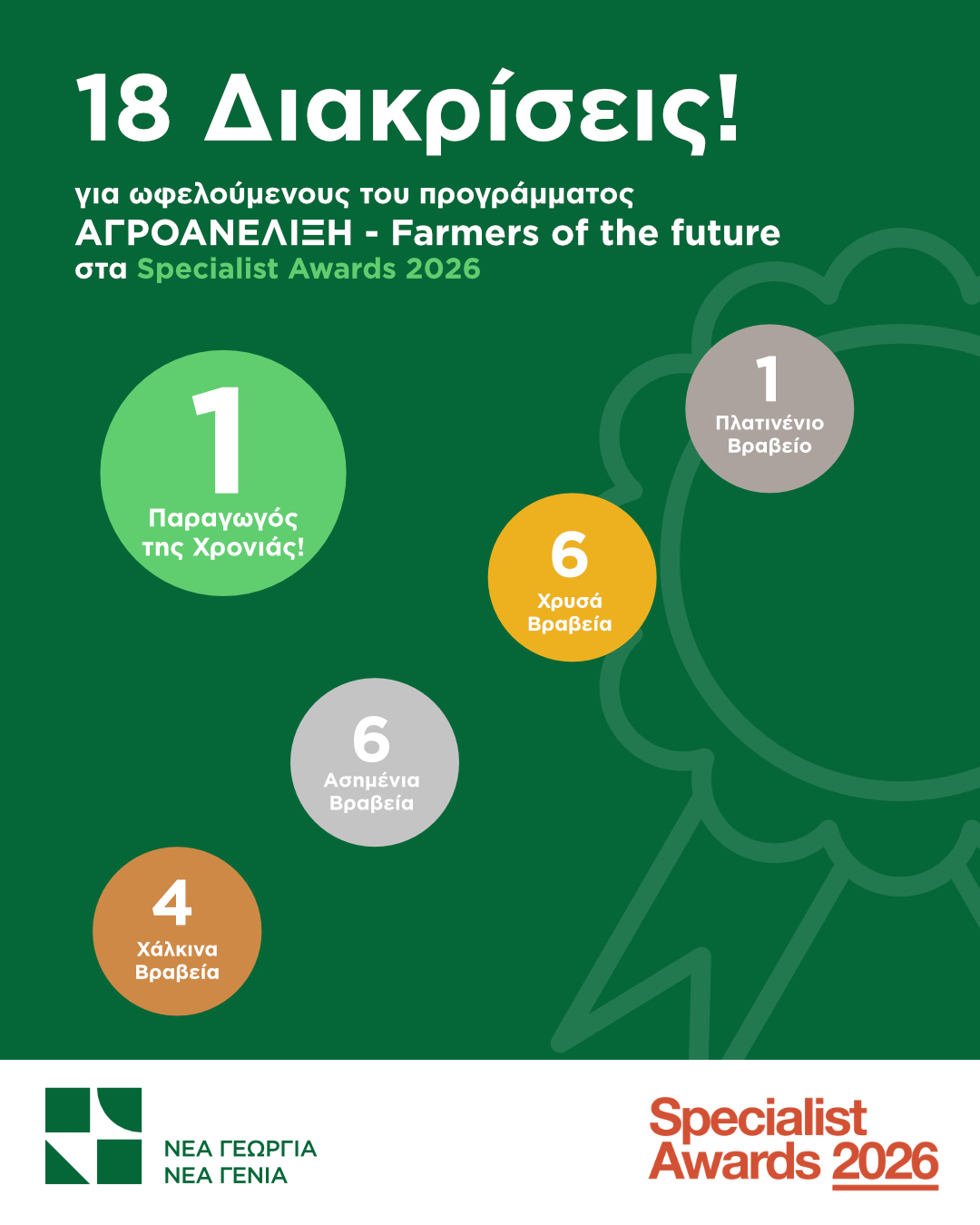
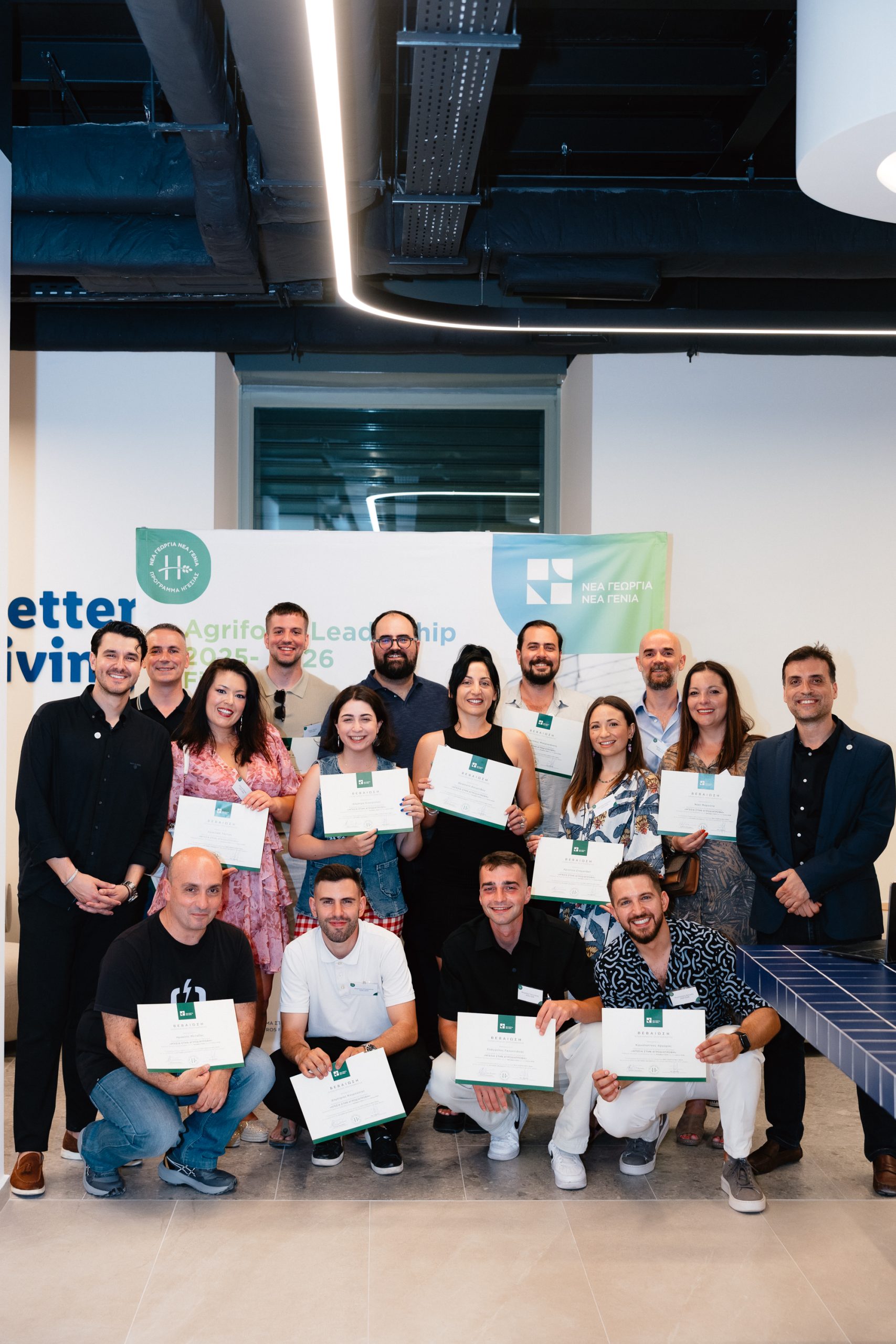
Agroanelixi – Farmers of the Future: Results for the 2020–2025 Period

Agroanelixi – Farmers of the Future 2020–2025

The business accelerator “Agroanelixi – Farmers of the Future”, implemented by New Agriculture New Generation, completed a significant cycle of activity during the period 2020–2025, supporting the development of the next generation of agri-food businesses across Greece.

Through a comprehensive framework of training, tailored consulting, and hands-on guidance, the program supported producers and entrepreneurs in improving their products, developing new business activities, and strengthening their presence in both domestic and international markets.

The program is addressed to farmers, livestock producers, beekeepers, producer groups, cooperatives, and small processing businesses seeking to develop higher value-added products with stronger commercial potential.

Results for the 2020–2025 period

During the 2020–2025 period, the program achieved the following results:

• 100 agri-food professionals received business support
• 90 new or improved agri-food products were developed
• 80 on-site visits were conducted in production units across 34 regional units in Greece
• 9 new business collaborations were established among participating enterprises
• 6 awards were received by participants from international and European institutions

At the same time, the program recorded a 100% satisfaction rate among participants for the years 2023, 2024, and 2025.

How the program works

“Agroanelixi – Farmers of the Future” combines training, mentoring, and practical support, offering:

• 400 hours of specialized training
• 850 hours of personalized consulting support
• on-site visits to production units across Greece

Participants gain knowledge and tools in key areas such as food safety, marketing and branding, sales, business strategy, and product development.

Impact on rural Greece

Strengthening the competitiveness of small agri-food businesses generates a significant multiplier effect in local communities.

Each business that improves its production, standardization, and product distribution contributes to the creation of new economic opportunities, supports local economies, and strengthens the sustainability of rural areas.

Through the development of new products and the creation of collaborations, the program contributes to more resilient agri-food businesses and sustainable local economies.

What participants say

Participants highlight the tangible impact of the program on their business development.

Zoi Vratskidou (Agathas Farm) noted that the program “came at the right time”, providing valuable knowledge while saving time and cost, and ultimately helping her feel empowered.

Angeliki Drakou (Grizo Prasino) emphasized that the experience set “very high standards” for future training programs and that she already recommends Agroanelixi to other producers.

Nikos Itskos (Varecon Food Company) highlighted that the program enabled more targeted decision-making regarding product positioning and promotion.

Xenia Galetsi (Megas Karpos Food Company) underlined the strengthening of her knowledge in key areas and the value of building a strong community of producers.

Why the program matters

The agri-food sector is a key pillar of the Greek economy and regional development.

Supporting small producers and businesses with business tools, expertise, and access to collaboration networks contributes to the transition from raw material production to higher value-added products.

Agroanelixi – Farmers of the Future” acts as a catalyst for this transition, strengthening competitiveness and creating new opportunities for sustainable development in the Greek agri-food sector.

Implementation and support

The business accelerator “Agroanelixi – Farmers of the Future” was implemented during the period 2020–2025 by New Agriculture New Generation, through the founding donation of the Stavros Niarchos Foundation (SNF).

During this period, the program was supported by:

• Hellenic Republic – Ministry of Rural Development and Food (under the auspices, 2022–2025)
• PPC (Public Power Corporation)
• Municipality of Servia
• Municipality of Agia
• DS Smith
• Elbisco
• CrediaBank
• TÜV Austria
• American Farm School
• Perrotis College
• Specialist Awards
• NBIS
• e-food
• AFI

The program will continue in 2026.

Social Farming 360°: Programme Results Presented at a Press Conference at the Ministry of Citizen Protection

Presentation of the Social Farming 360° Results

A Press Conference presenting the full impact of the pioneering social farming programme Social Farming 360° was held on 17 June 2026 at the Ministry of Citizen Protection, in the Pavlos Bakoyannis Hall, with the participation of the Secretary General for Anti-Crime Policy and representatives of the implementing organisations.

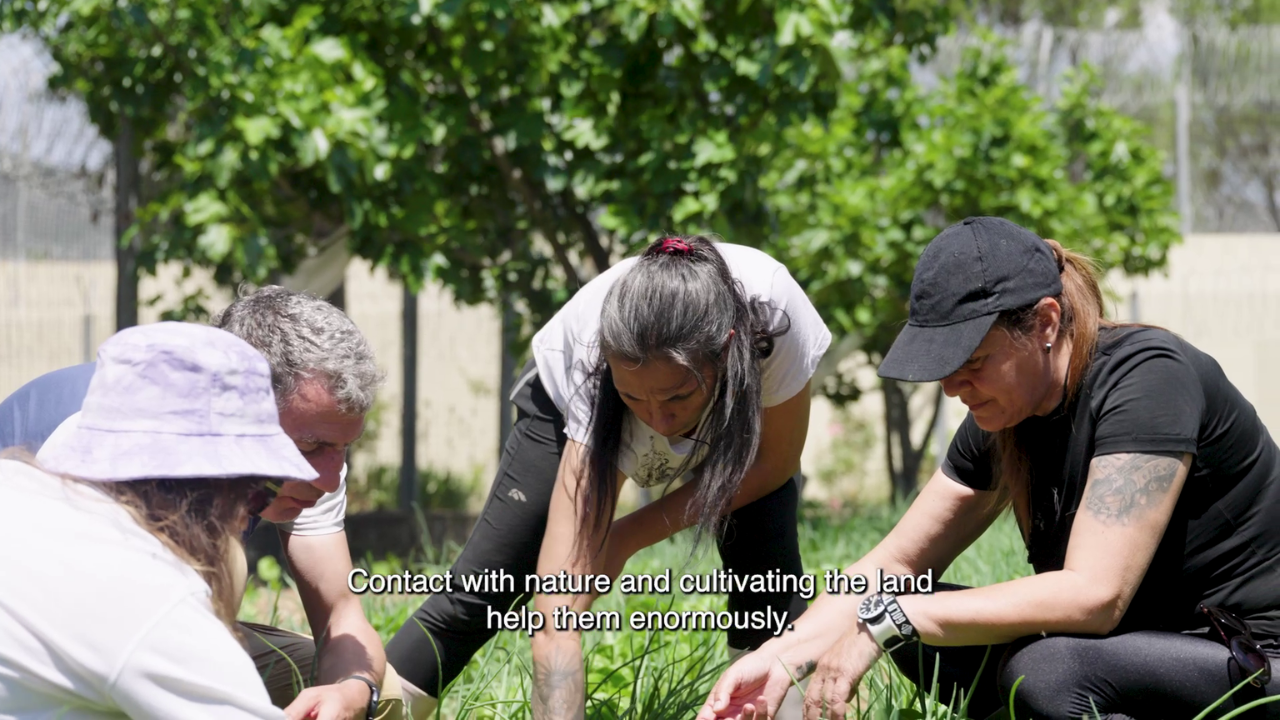
Social Farming 360° was a complex and multi-layered programme that meaningfully connected sustainable agricultural production, food security, and social reintegration, serving as a vehicle for empowerment for incarcerated individuals and correctional communities.

The programme was implemented by New Agriculture New Generation, with the full support of the Citi Foundation, in close collaboration with the General Secretariat for Anti-Crime Policy of the Ministry of Citizen Protection, and with the participation of ActionAid and Pyli Eleftherias (Freedom Gate).

The Programme’s Impact

The programme was implemented between January 2024 and December 2025 across six correctional facilities in Greece, recording 1,081 participations and 648 hours of training, while 696 ACTA professional certifications were awarded. At the same time, hundreds of incarcerated individuals participated in employability and psychosocial empowerment activities.

During the Press Conference, the programme’s main pillars, methodology, and results were presented, along with its contribution to establishing a successful model of socially beneficial agriculture within Greek correctional facilities.

A central pillar of the programme was regenerative agriculture, incorporating practices aimed at improving and maintaining soil health while promoting a more resilient and sustainable production approach. Particular emphasis was also placed on the connection between education, employability, and psychosocial empowerment.

Remarks by the Secretary General for Anti-Crime Policy

The event opened with remarks by Aris Perris, Secretary General for Anti-Crime Policy, who praised both the significance of the programme and the success achieved through the close cooperation of the participating organisations. Mr Perris also stressed that the programme helped equip incarcerated individuals with skills that will support their successful reintegration into society.

Remarks by the Citi Foundation

Representing the Citi Foundation, Aimilios Kyriakou, CEO and Head of Corporate Banking for Citi Greece, Cyprus & Malta, highlighted that Social Farming 360° was an especially innovative programme, selected alongside 50 other initiatives from around the world.

“The Social Farming 360° programme puts into practice the priorities of the Citi Foundation: identifying solutions to the needs of the communities where we operate, helping improve people’s lives, and creating opportunities for economic progress. By providing individuals in agricultural correctional facilities with the tools and skills needed to cultivate the land, the programme offers a meaningful future perspective, self-confidence, and the hope of reintegrating into society with dignity.”

Remarks by Effie Lazaridou

Effie Lazaridou, CEO of New Agriculture New Generation, spoke about the challenges that had to be overcome in order to successfully implement the programme and the vision it was designed to serve through the use of social farming as a reintegration tool.

“Through the programme, participants were given the opportunity to acquire a different perspective, a new way of living and interacting with both their natural and social environment and, why not, to dream once again of a new beginning in their lives.”

The Contribution of ActionAid

Eva Polyzogopoulou, General Director of ActionAid Greece, spoke about the organisation’s role in the employability component of the programme and the importance of preparing individuals early for their reintegration into society.

“For ActionAid, social reintegration does not begin on the day of release, but much earlier. Our experience shows that the greatest barrier is not the lack of abilities, but the lack of access to opportunities. By providing Job Search Counselling services, we ensure that individuals are prepared to re-enter society. Since 2017, through the Community Centre we operate in Athens, we have supported more than 11,000 people. Through our contribution to Social Farming 360°, we had the opportunity to bring this experience into correctional facilities, providing participants with the tools and support they need for a new beginning.”

Education and Regenerative Agriculture

During the second part of the Press Conference, Dimitris Voloudakis, Programmes Director at New Agriculture New Generation, delivered a presentation focusing on the educational component of the initiative, with sustainable agriculture at its core, as well as on the programme’s results and the multiple benefits it generated for participants and correctional facilities.

Particular emphasis was placed on the role of regenerative agriculture as a central pillar of the programme, through practices aimed at improving and maintaining soil health and fostering a more sustainable production culture.

Psychosocial Support and Personal Empowerment

Representing Pyli Eleftherias (Gateway to Freedom), Elli Tsiouri highlighted the role of psychosocial support for incarcerated individuals, the psychoeducational process, and its importance in ensuring the programme’s holistic approach.

She noted the strong interest shown by participants, who spoke very positively about their experience and, in fact, expressed a desire for more sessions to be offered.

Reintegration Stories and Knowledge Transfer

Ilias Benekos, Agronomist at the Ministry of Citizen Protection, underlined the importance of the collaboration between correctional facility agronomists and the trainers of the Social Farming 360° programme, as well as the practical transfer of new cultivation practices to programme beneficiaries.

He also shared experiences from correctional facilities and success stories of participants who managed to reintegrate into society by applying the knowledge and skills acquired through the programme. Furthermore, he emphasised the importance of the training certificates obtained by many participants, which constitute a valuable asset for future employment opportunities.

The Social Farming 360° Documentary

As part of the event, attendees were shown a trailer for the short documentary created for the programme, which is expected to be published soon on the official YouTube channel of New Agriculture New Generation.

The documentary further highlights the programme’s contribution to connecting agricultural education with social cohesion and reintegration, demonstrating that social farming can serve as an effective mechanism for social change.

Acknowledgements

New Agriculture New Generation would like to thank all those who contributed to making this programme a reality: the directors and agronomists of the correctional facilities, the trainers and staff of the organisations involved in implementation, and, of course, the programme beneficiaries themselves, who embraced the initiative and made the most of the opportunities it offered.

Read more about the Social Farming 360° programme here.